Learning to dial in espresso
You want to grind fresh beans and adjust the setting when a new coffee makes your espresso run too quickly or too slowly.


Choose a grinder with an espresso-capable adjustment range, then match its dosing routine to the time you have for your afternoon coffee. Indexed settings can make a familiar setting easy to find again, while stepless adjustment allows finer changes; single dosing suits frequent bean changes but means measuring beans for each drink.
You want to grind fresh beans and adjust the setting when a new coffee makes your espresso run too quickly or too slowly.
You want a dose that fits your portafilter routine without adding unnecessary transfers or leaving grounds across the worktop.
You alternate coffees or sometimes make filter coffee, so you need to consider both the adjustment range and whether keeping one bean in a hopper suits you.
For a short afternoon espresso routine, establish that the grinder can be adjusted for espresso before deciding how you want to dose and transfer the grounds.
Consider it when: You want marked settings you can return to and may also grind for filter coffee. Baratza designates settings 1–20 on the Encore ESP for espresso and 21–40 for coarser brewing.
Trade-off: A fixed step may not offer the in-between adjustment you want for a particular coffee.
Consider it when: You make espresso frequently and want fine adjustment with direct-to-portafilter grinding, as offered by the Eureka Mignon Specialità.
Trade-off: Returning to a previous setting can take more care than selecting a marked step.
Consider it when: You regularly change beans and prefer to put in only the beans needed for each espresso. Niche describes the Zero as a single-dose grinder.
Trade-off: You need to measure beans for each drink rather than draw from a filled hopper.
| Concern | What to check | Who this matters to |
|---|---|---|
| Espresso adjustment | Check the exact model’s espresso range and whether its adjustment is indexed or stepless. | If my shot runs too quickly or barely flows, I want enough control to adjust the grind. Around 42% of consumers put fine espresso adjustment first. |
| Repeatable dosing | Check the dosing controls and whether the included cup or portafilter support fits your equipment. | When my break is short, I want to get a fresh dose into the basket without several transfers. For around 33% of consumers, that routine is the primary concern. |
| Changing coffees | Check the single-dose workflow and the stated adjustment range if you also make filter coffee. | If I switch beans or brew methods, I would rather measure each serving than keep a hopper filled with one coffee. That flexibility comes first for around 25% of consumers. |
A grinder intended mainly for coarser brewing may not offer the fine adjustments needed to correct an espresso shot that runs too quickly or too slowly.
Check the exact model’s espresso range or stepless espresso adjustment rather than relying on a general coffee-grinder description.
Accessories differ between models: Baratza lists a 54 mm dosing cup with a 58 mm adapter for the Encore ESP, while Eureka describes an adjustable portafilter fork for the Mignon Specialità.
Compare your portafilter and basket with the included cup, adapter or fork, and decide whether you want to grind directly into the portafilter.
Changing beans is easier when you add one dose at a time, but that routine also requires you to measure beans for each drink.
If you usually make the same coffee, compare that preparation step with the hopper workflow you would use each afternoon.
A grinder’s size, sound and dosing workflow may matter differently in your kitchen than they do on a specification sheet. GOV.UK says that, for a typical UK online change-of-mind cancellation, you must notify the trader within 14 days of receiving the item; conditions and exceptions need separate attention.
Read the seller’s cancellation and return-postage information before use. Keep change-of-mind arrangements distinct from remedies for faulty or misdescribed goods.
The Encore ESP covers espresso and coarser brew methods through separate ranges of indexed settings.
The Mignon Specialità is an option to examine if you want stepless espresso adjustment and a portafilter-based workflow.
The Niche Zero is designed around measuring and grinding one dose at a time, which may suit frequent bean changes.
These Joybuy grinders offer different ways to prepare fresh espresso grounds, from countertop dosing to rechargeable portable use. Compare each model’s stated adjustment and dosing features with your own espresso setup.
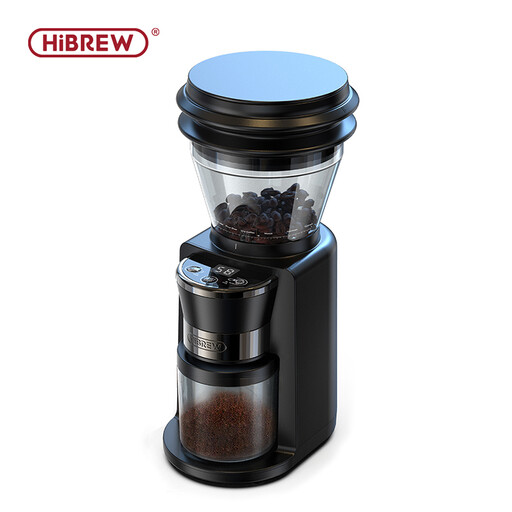 No image available
Consider this model if you want marked grind settings and a bean container for a regular espresso routine.
Its name specifies 34 grind settings, a 48 mm conical burr, a 210 g bean container, a 100 g grounds container, manual and automatic modes, and an anti-static function.
Check the plug configuration for your kitchen. The product guidance advises against more than 10 consecutive grinding cycles.
 No image available
Consider this portable grinder if you want to prepare espresso grounds away from a fixed countertop setup.
Its name specifies 30 settings spanning espresso to French press, a metal body, automatic stop and clog protection.
The product guidance advises against grinding more than six espresso batches consecutively to prevent overheating.
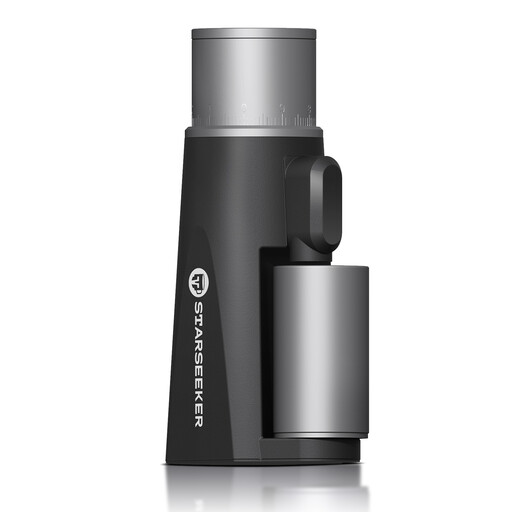 No image available
Consider this model if a portable grinder for espresso and pour-over fits your routine.
Its name identifies a wireless electric design with a conical burr.
The product guidance recommends medium- to dark-roast beans and warns that very light beans may jam when ground finely for espresso. Check its operating instructions before repeated use.
 No image available
Consider this rechargeable model if you want electric grinding without keeping the grinder beside a socket.
Its name specifies adjustable settings for espresso, pour-over and French press, one-touch operation, Type-C charging and a 1000 mAh battery.
If small espresso adjustments or a particularly short break are priorities, check the adjustment range and the time needed to grind your usual dose.
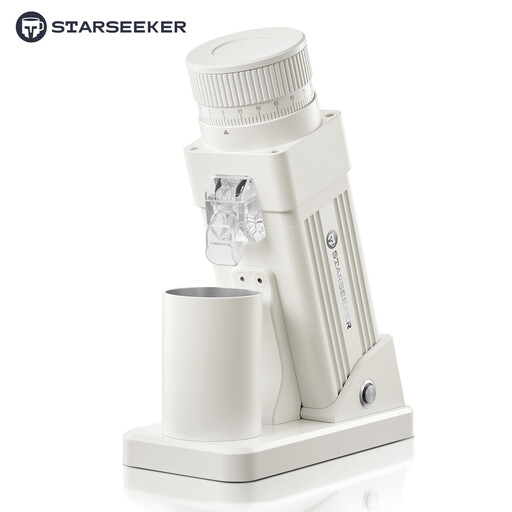 No image available
Consider this model if stepless adjustment is a priority when dialling in espresso.
Its name specifies a 55 mm titanium-alloy conical burr, a 72 W AC motor and an anti-scatter feature.
Confirm the plug and voltage of the unit you intend to buy before using it in your kitchen.
Choose a grinder with a fine, espresso-capable adjustment range if you want to dial in beans for espresso. The setting still needs adjusting for your coffee and equipment; a label saying only that a grinder makes coffee does not establish that its range will suit your espresso routine.
Do not count on one setting for every coffee. Start within your grinder’s espresso range and make small changes when a new bag produces a shot that runs too quickly or too slowly, keeping the other parts of your recipe consistent while you adjust.
Check the cleaning instructions for the exact model you choose and whether you can reach the burrs as directed. Baratza describes a quick-release burr system on the Encore ESP, and its UK support material includes setup and cleaning guidance; follow your own grinder’s instructions rather than assuming the same process applies to every model.
For a typical UK online purchase, GOV.UK says you must tell the trader within 14 days of receiving the item if you want to cancel. Check the applicable conditions and the seller’s return-postage information before using the grinder; a change-of-mind cancellation is separate from remedies for faulty or misdescribed goods.
Use an appropriate electrical recycling route rather than putting an old electric grinder in ordinary household rubbish. GOV.UK describes UK waste electrical and electronic equipment rules as supporting recovery, reuse and recycling; check the options available through your local collection service or a participating retailer.