
24/7 Customer Support

Free returns

Same-day & Next-day Delivery

Quality Guaranteed

Unlock Your Welcome Offers: FREE Delivery | Up to 80% OFF | Free 30-day JoyPlus trial
Download the APP
An espresso machine with milk frother can make cappuccinos, lattes and flat whites at home, but choosing the right model involves more than comparing pump-pressure numbers. A machine that looks appealing online may be inconvenient to clean, too large for your worktop or unsuitable for the way you actually prepare coffee.
Before buying, consider these common pitfalls:
A 15 bar espresso machine is common in home coffee appliances, while some models advertise 20 bar espresso machine performance. These figures normally describe the pump’s maximum capability rather than the precise pressure used throughout extraction.
For practical shopping, look for:
A semi-automatic espresso machine gives you more involvement than a capsule appliance. You control the coffee dose and tamping, which can be useful if you want to develop home barista skills. A manual espresso machine with simple controls can also be a sensible choice for beginners who prefer to learn gradually.
A coffee machine with steam wand allows you to texture milk manually for different drinks. With practice, you can produce a finer texture for a flat white or more aerated foam for a cappuccino. However, the wand becomes hot and should be cleaned immediately after use.
A separate electric frother is another option. It can heat milk or create hot and cold foam without requiring steaming technique. This is useful if several people want drinks quickly, or if you already own an espresso machine without an integrated frother.
When comparing a cappuccino maker or latte maker, check whether “milk frother” means a steam wand, a dedicated jug or a separate automatic unit. These systems do not provide identical results.
A removable espresso machine water tank is easier to refill and clean than a fixed reservoir. For regular household use, capacities around 1 to 1.5 litres can reduce refilling, although larger tanks take up more space.
Also check:
For a small kitchen, a compact espresso machine may be more practical than a larger model with features you will rarely use. A visible water level indicator and cup-warming shelf can also make daily preparation more convenient.

Why This Fits Their Persona: Its straightforward semi-automatic format suits first-time home users who want ground-coffee preparation and milk drinks without a complicated interface.
The visible 1.2L tank helps prevent unexpected emptying, while the detachable drip tray supports regular cleaning.
15 bar pump specification, steam milk-frothing function, cup-warming feature and three listed safety functions.

Why This Fits Their Persona: Suitable for shoppers who value a stainless-steel finish, a larger tank and manual control over espresso and milk preparation.
The 1.5L removable tank and removable drip tray address two common maintenance and refilling frustrations.
20 bar pump specification, dual temperature control, manual steam wand and stainless-steel housing.
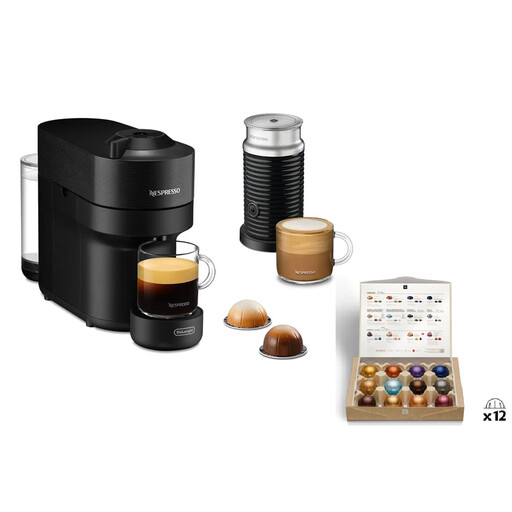
Why This Fits Their Persona: A practical option for busy households wanting several coffee sizes and milk drinks with one-touch preparation.
The included Aeroccino handles hot or cold milk foam separately, avoiding the learning curve of a manual steam wand.
Six listed cup sizes, 30-second heat-up time, automatic capsule ejection and a separate milk frother.
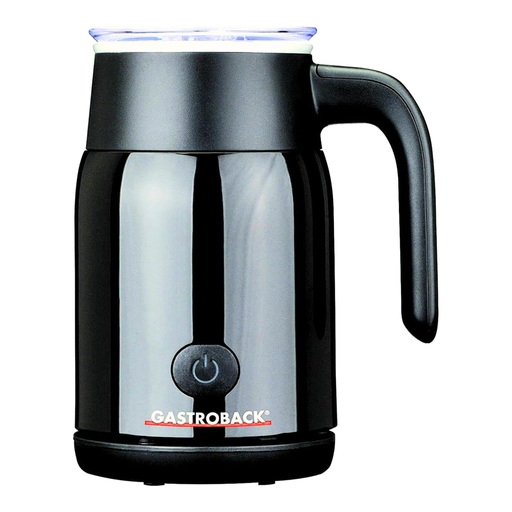
Why This Fits Their Persona: Designed for people who already have a coffee maker or prefer a dedicated milk appliance for hot chocolate, iced drinks and coffee recipes.
It avoids the assumption that every milk drink requires a steam wand, offering automatic shut-off and a removable frothing spiral.
Creates up to 350ml of foam or heats up to 250ml of milk, with hot and cold functions and a non-stick interior.
We have compiled a complete, real-time list of products that fully satisfy these strict selection criteria and UK safety regulations.
An automatic frother generally involves fewer steps and is convenient for occasional users. A steam wand provides greater control over milk texture but requires correct positioning, temperature awareness and cleaning after every use.
Lifespan depends on usage, water quality, cleaning and maintenance. Empty the drip tray regularly, rinse removable parts and wipe the steam wand immediately after steaming. Follow the manufacturer’s descaling instructions, particularly in hard-water areas.
Running cost depends on coffee format, drink frequency and milk use. Ground coffee can offer flexibility and may reduce packaging waste, while pods provide measured portions and quick preparation. Compare capsule prices, coffee usage, electricity consumption and replacement-filter requirements before deciding.