Regular homemade-mocha drinkers
If espresso and textured milk are part of your usual drink, allow time to clean milk-contact parts after use and follow the machine’s descaling instructions.


Choose a machine that makes espresso and lets you texture milk; Sage Appliances’ mocha recipe adds the chocolate separately. Automatic milk texturing suits a less hands-on routine, while a model with grinding controls and a manual wand suits someone who wants to practise coffee and milk preparation. Check worktop clearance and the cleaning routine before deciding.
If espresso and textured milk are part of your usual drink, allow time to clean milk-contact parts after use and follow the machine’s descaling instructions.
If worktop space is limited or you prefer less hands-on milk preparation, compare the exact machine dimensions and milk system. A compact machine can still have a manual steam wand.
If you want to adjust grinding and espresso preparation and texture milk yourself, look closely at the coffee format, controls and cleaning tasks that come with that workflow.
Start with how you want to prepare the espresso and milk, then check whether the machine fits your space and the routine you can maintain.
| Concern | What to check | Who this matters to |
|---|---|---|
| Espresso and milk | Confirm that the exact model makes espresso and has a milk-texturing system suited to your intended milk; chocolate is added separately. | If I want a hot mocha with textured milk, I need both parts of the drink covered by my preparation routine. Around 33% of consumers put espresso-and-milk capability first. |
| Space and convenience | Measure width, depth and operating clearance; check whether milk texturing is automatic or manual. | With a crowded worktop or a short morning routine, I want a machine that fits and does not demand more milk preparation than I can manage. For around 25% of consumers, space and convenience are the primary concern. |
| Beans and control | Check which coffee formats the model accepts and whether grinding is integrated if you plan to use whole beans. | If I want to work with whole beans and adjust my espresso, I am willing to take a more active part in preparation. Around 25% of consumers place bean preparation and control first. |
| Cleaning and upkeep | Read the model’s milk-system cleaning and descaling instructions, including any water-hardness setup. | When I make milk drinks regularly, I need the after-use cleaning and longer-term upkeep to fit my routine. Cleaning and upkeep come first for around 17% of consumers. |
Sage Appliances’ mocha recipe combines espresso, chocolate and textured milk. An espresso machine’s coffee and milk functions do not, by themselves, add the chocolate.
Choose the machine for the espresso and milk steps, then decide which chocolate ingredient you want to add.
Plan to supply chocolate and milk separately unless the particular bundle explicitly includes them.
Compact machines have different milk workflows: Sage describes automatic texturing on the Bambino Plus, while De’Longhi describes a manual steam wand on the Dedica Duo.
Check the exact model’s milk controls before deciding how much hands-on steaming you want to do.
The Sage Barista Express has an integrated grinder. Gaggia describes the Classic E24 as a manual machine with filters for ground coffee or pods.
If you intend to use whole beans, confirm how they will be ground for the machine you choose.
A separate grinder also needs worktop or storage space.
Milk texturing adds an after-use steam-wand or milk-system cleaning task. Sage Appliances and De’Longhi also provide model-specific maintenance guidance covering cleaning and descaling.
Read the machine’s instructions for milk-contact parts, water-hardness setup and descaling before making it part of your daily routine.
Sage’s Bambino Plus and Barista Express illustrate two different mocha-making workflows: automatic milk texturing on a compact machine and integrated grinding with manual milk texturing.
The Dedica Duo is a slim manual espresso option for someone making milk drinks in a kitchen with limited counter space.
The Classic E24 represents a traditional manual espresso route for someone comfortable preparing coffee and texturing milk themselves.
These models offer espresso preparation with a listed milk frother or steam wand for making mochas. They differ in how much milk preparation you do yourself and in their listed grinding features; chocolate remains a separate ingredient.
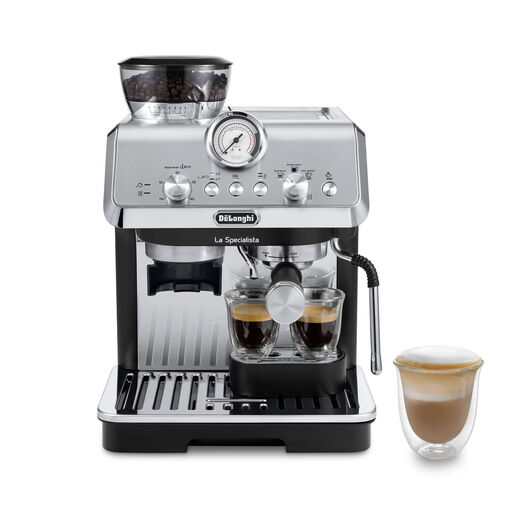 No image available
Consider this model if you want a manual bean-to-cup routine with a milk frother for your mocha. The listed finish is silver and black; check the model’s milk-care instructions and available worktop space.
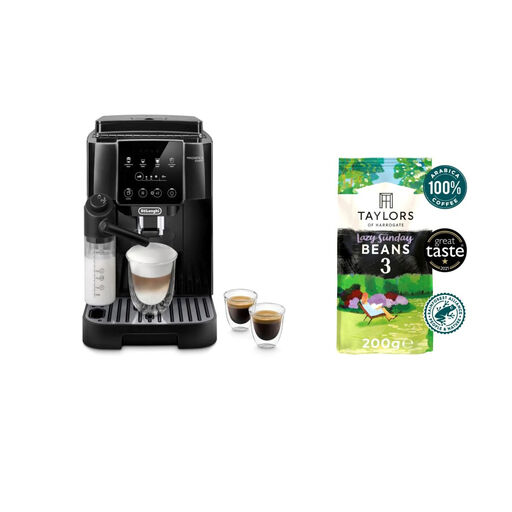 No image available
Consider this model if you prefer automatic milk preparation alongside a bean-to-cup coffee routine. The listing specifies four one-touch recipes and includes 200 g of Taylors of Harrogate Lazy Sunday coffee beans; check the automatic milk system’s cleaning instructions.
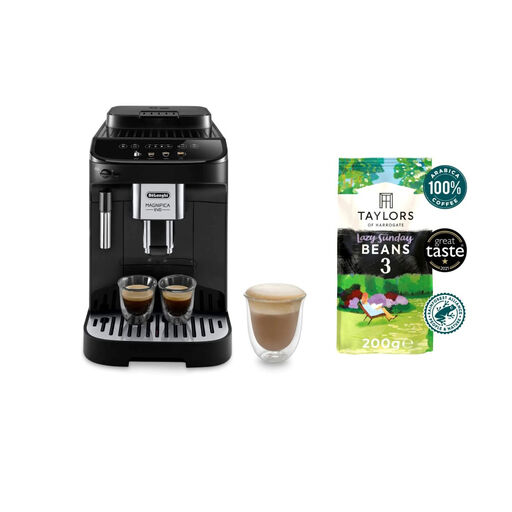 No image available
This bean-to-cup model has a listed milk frother for the milk stage of a mocha. The bundle includes 200 g of Taylors of Harrogate Lazy Sunday coffee beans; check the exact frothing workflow if you want automatic milk preparation.
 No image available
Consider this model if you want listed grind adjustment and a steam wand for hands-on mocha preparation. Its title specifies 20 grind levels, a 1.8 L water tank and a 20-bar pressure rating; that rating alone does not establish the quality of an espresso shot.
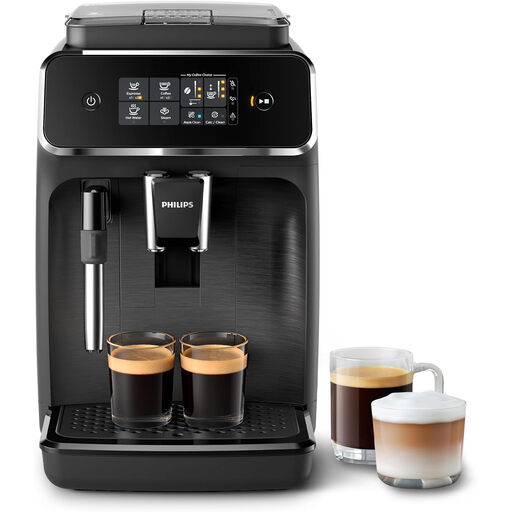 No image available
This model pairs a bean-to-cup coffee routine with a listed milk frother, so check how you would texture milk for your mocha. Its title also specifies a ceramic grinder and two coffee drinks; add chocolate separately rather than assuming a mocha programme.
It needs to make espresso, and a steam wand or other milk-texturing system helps prepare the milk. In Sage Appliances’ mocha recipe, drinking chocolate is added to the espresso before textured milk is poured in.
No: a manual steam wand can texture milk for a mocha if you are willing to do that step yourself. Sage describes automatic, adjustable milk texturing on the Bambino Plus, whereas De’Longhi’s Dedica Duo and Gaggia’s Classic E24 use manual steam wands.
Follow your machine’s cleaning instructions after use. De’Longhi advises wiping the nozzle with a damp cloth and releasing a short burst of steam; check the safe procedure for your exact model.
Follow the interval or prompts for your model rather than using one schedule for every machine. Water hardness and use affect the routine, so check the manual’s setup instructions and compatible maintenance products.