Space-first latte makers
If worktop width is scarce, a narrow machine with a way to heat and texture milk may suit you. De’Longhi states that its manually operated Dedica Style is 15 cm wide; you will still need room to prepare the drink.


Choose by the space available for preparing coffee and steaming milk, not just the machine’s width. A narrow manual model suits a tight worktop if you are willing to froth milk yourself; an automatic milk system reduces that task, while a traditional manual machine suits someone who wants more hands-on control. Check the coffee format and the room needed to fill and clean the exact model before deciding.
If worktop width is scarce, a narrow machine with a way to heat and texture milk may suit you. De’Longhi states that its manually operated Dedica Style is 15 cm wide; you will still need room to prepare the drink.
If you want ground-coffee espresso without manually texturing milk each time, Sage describes the Bambino Plus as having a hands-free steam wand with adjustable milk settings. Preparing the coffee remains a separate step.
If you want to practise preparing espresso and steaming milk, Gaggia describes the Classic E24 as a manual machine with a filter-holder and steam wand. Allow time for those steps as well as cleaning.
Choose when: worktop width is the main constraint. De’Longhi states that the Dedica Style is 15 cm wide and has a manual milk system.
Trade-off: you must steam the milk yourself and leave working room around the machine.
Choose when: you want ground-coffee espresso with less hands-on milk texturing. Sage describes an automatic wand on the Bambino Plus.
Trade-off: coffee preparation and portafilter cleaning remain manual; Brew2Cup lists this model at 19.5 cm wide, so measure the space available.
Choose when: practising extraction and steam-wand technique is part of the appeal. Gaggia describes both a filter-holder and steam wand on the Classic E24.
Trade-off: preparation needs more attention, and the exact model’s dimensions must fit your worktop.
| Concern | What to check | Who this matters to |
|---|---|---|
| Worktop fit | Measure width, depth and overhead space, then check access to the tank, portafilter and drip tray. | I need to prepare a latte without crowding the worktop or blocking routine access to the machine. Around 42% of consumers put practical fit first. |
| Milk-texturing effort | Check whether milk texturing is manual or automatic and how the milk system is cleaned. | When I make lattes frequently, I would rather spend less time operating a steam wand. For around 33% of consumers, easier milk preparation is the primary need. |
| Hands-on control | Check the accepted coffee format, filter-holder arrangement and type of steam wand. | I want to practise preparing the espresso and steaming the milk myself, even if each drink takes more attention. That hands-on process comes first for around 25% of consumers. |
A machine may fit between appliances yet leave too little room to insert a portafilter, use a milk jug or remove the drip tray.
Measure the intended position and check the exact model’s full dimensions and access points, including clearance in front and above.
De’Longhi describes manual milk frothing on the Dedica Style, while Sage describes hands-free texturing on the Bambino Plus. Those routines ask different things of you each time you make a latte.
Decide whether you want to practise steaming or would prefer assistance with milk texturing, then check the cleaning steps for the system you choose.
Claims about milk texture or temperature behaviour do not, by themselves, establish how machines perform under comparable test conditions.
Use model specifications to check features and fit. For a separate view of drink results, consult comparable independent testing; Which? says its coffee-machine testing includes blind espresso tasting.
The Dedica Style is relevant when a narrow manual espresso machine is the priority. De’Longhi states that it is 15 cm wide.
The Bambino Plus is relevant to ground-coffee espresso drinkers who want assistance with latte milk.
The Classic E24 is relevant if you prefer a traditional, hands-on espresso and milk-steaming routine.
These options include steam-wand espresso machines, capsule machines with milk frothers and a ground-coffee model described with automatic frothing. Choose the coffee and milk routine you want, then check each machine against your available worktop space.
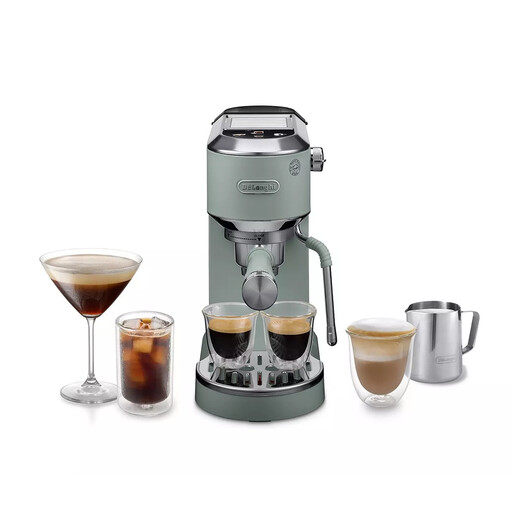 Image unavailable
Consider this steam-wand model if you are willing to prepare the espresso and milk yourself. The product name identifies cold-brew and iced-coffee functions; check its full dimensions and working clearance for your kitchen.
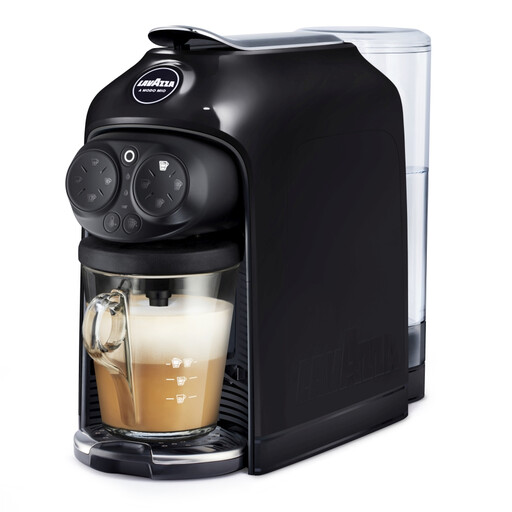 Image unavailable
Consider this if you prefer capsules and an integrated hot-and-cold milk frother rather than steaming milk by hand. The named variant has a 1.1 L capacity; check its full footprint and whether A Modo Mio capsules suit your routine.
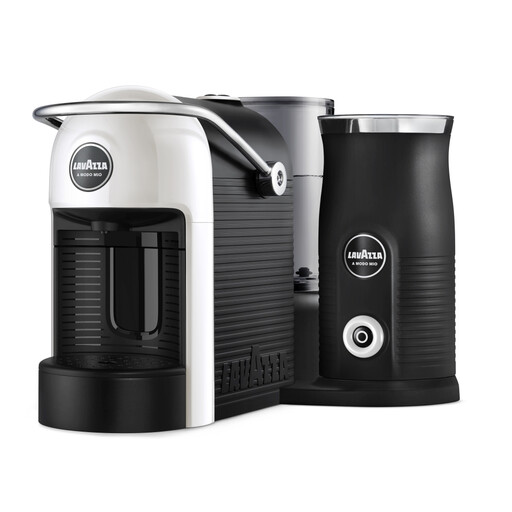 Image unavailable
Consider this capsule-and-frother option if you want to make espresso with milk without using a manual steam wand. The named variant has a 1.0 L capacity and a hot-and-cold milk frother; check space for filling and using it as well as the machine’s footprint.
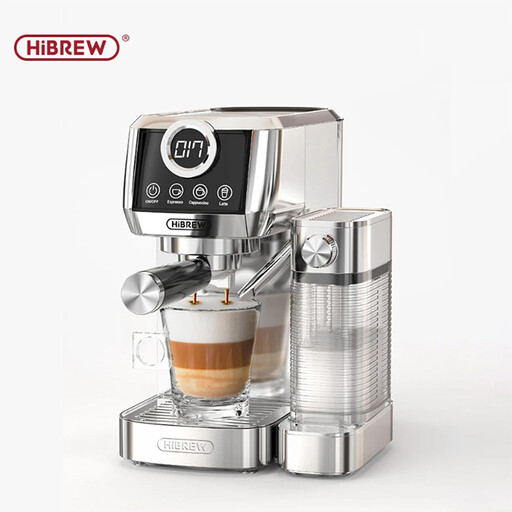 Image unavailable
Consider this if you want to use ground coffee and are looking for assistance with milk frothing. The product name identifies automatic milk frothing and a 20-bar rating; check the milk controls, cleaning routine and placement clearance before choosing it.
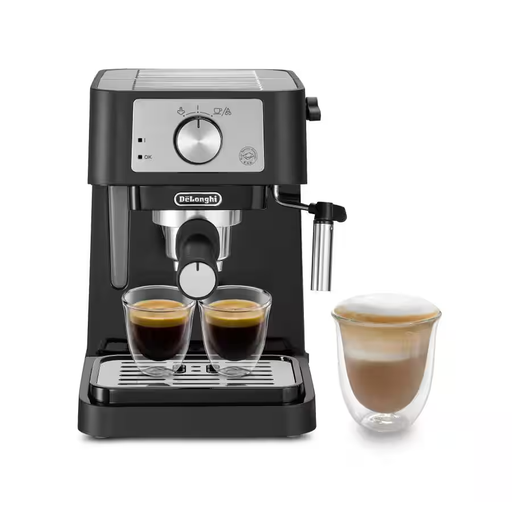 Image unavailable
Consider this if you want to operate a steam wand yourself when making a latte. The product name identifies a 15-bar rating and milk-frothing wand; compare its full dimensions and access space with your intended position.
Yes, if it can make espresso and you have a way to heat and texture milk. Add vanilla syrup separately for the flavour; decide whether a manual wand or an assisted milk system fits the effort you want to put into each drink.
Choose an automatic wand if reducing hands-on milk texturing matters most; Sage describes adjustable automatic milk settings on the Bambino Plus. Choose a manual system if you want to practise steaming and accept the extra attention it takes; De’Longhi describes manual frothing on the Dedica Style.
Check that the product is intended for the GB market and ask the seller about its safety information and applicable conformity documentation. GOV.UK explains that the Electrical Equipment (Safety) Regulations 2016 set requirements for electrical equipment placed on the Great Britain market; if delivery is to Northern Ireland, check the requirements applicable there rather than assuming the GB route is identical.
No, if the machine accepts a coffee format you can prepare or obtain separately. For example, Sage describes using ground coffee in the Bambino Plus portafilter, while Gaggia describes ground-coffee use for the Classic E24; confirm the accepted format for the exact machine you choose.