
24/7 Customer Support

Free returns

Same-day & Next-day Delivery

Quality Guaranteed

Unlock Your Welcome Offers: FREE Delivery | Up to 80% OFF | Free 30-day JoyPlus trial
Download the APP
That first sip of rich, aromatic coffee in the morning is a ritual for many. While the convenience of a local coffee shop is appealing, the daily cost can quickly add up. Bringing that experience into your own kitchen with a quality espresso machine not only saves money but also gives you the freedom to craft your perfect cup, exactly when you want it.
Navigating the world of home coffee machines can feel overwhelming. From sleek pod systems to professional-style barista setups, the choices are vast. This guide is designed to cut through the clutter, helping you understand the key differences and identify the right type of espresso maker for home use, tailored to your lifestyle and coffee preferences.
Before diving into specific models, consider these key factors. Your daily routine and what you value most in a coffee experience—be it speed, freshness or the craft itself—will point you toward the perfect machine.
The biggest decision is choosing between a manual, a bean-to-cup or a pod-based system.
If your go-to drink is a latte or cappuccino, how you froth your milk is a crucial consideration.
Here are a few standout options that cater to different needs, from the hands-on enthusiast to the convenience-seeker.
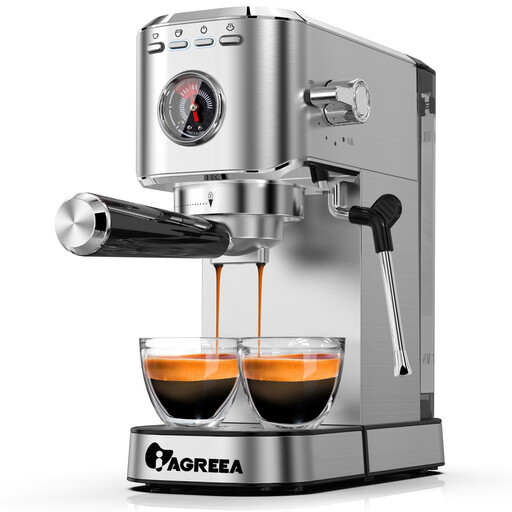
Why It Stands Out: This machine brings the manual coffee-making experience home without an intimidating footprint. The built-in pressure gauge is a standout feature at this price point, giving you real-time feedback to help you pull the perfect shot. It combines powerful performance with a compact, durable stainless steel body.
Pros:
Who is it for? The aspiring home barista who wants to learn the craft of espresso making and enjoys the hands-on process of creating coffee-shop-style drinks.
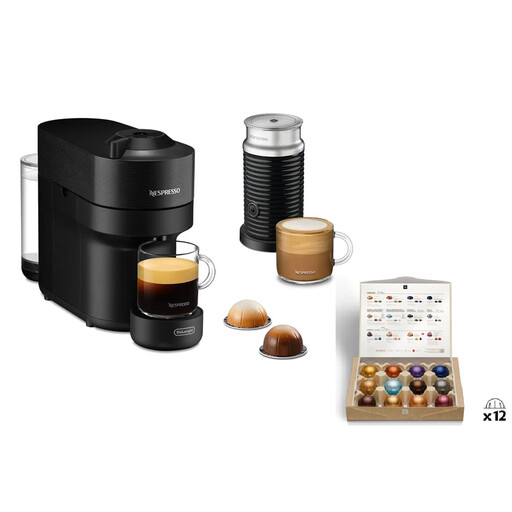
Why It Stands Out: The Vertuo Pop is all about smart, simple and stylish coffee. Its barcode-reading technology takes the guesswork out of brewing by automatically adjusting the settings for each specific pod. This bundle includes the Aeroccino milk frother, making it a complete solution for a huge variety of hot and cold coffee drinks.
Pros:
Who is it for? Anyone who values speed, consistency and variety. It’s perfect for busy households, those new to home coffee or anyone who wants a flawless cup with zero fuss.
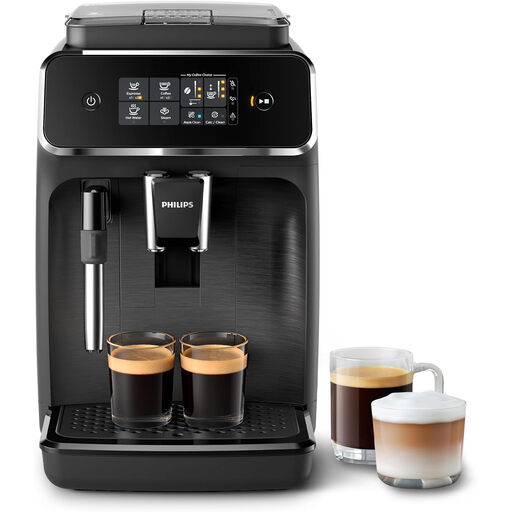
Why It Stands Out: This Philips machine delivers the superior flavour of freshly ground beans with the ease of a fully automatic system. Its intuitive touch display and customisable settings let you tailor your coffee’s strength and volume, while the durable ceramic grinder ensures consistent results for years to come.
Pros:
Who is it for? The coffee lover who wants the freshness of a bean to cup coffee machine but prefers the convenience of one-touch operation. It’s a fantastic all-rounder for daily espresso and coffee.
If these models aren't quite the right fit, or if you'd like to compare a wider variety of features and styles, there are many other machines to discover. From different brands to alternative designs, finding the perfect one is all about matching it to your home and habits.
Explore our full range of coffee machine maker models to find your perfect match.
1. What is the difference between a 15-bar and a 20-bar espresso machine? While espresso extraction technically only requires around 9 bars of pressure, a higher bar rating (like 15 or 20) on a consumer machine indicates that the pump is powerful enough to reliably achieve and maintain that optimal pressure. However, factors like the freshness of your coffee, the grind size and your tamping technique play an equally important role in the final quality of the shot.
2. Can you use any coffee beans in a bean-to-cup machine? Yes, you can use any whole coffee beans. However, for the best flavour, look for beans labelled as "espresso roast," as they are blended and roasted to produce a rich, balanced shot. It's also wise to avoid extremely oily, dark-roasted beans, as the excess oil can sometimes clog the internal grinder over time.
3. Is a coffee pod machine cheaper in the long run? The initial purchase price of a pod machine is often lower than a high-end bean-to-cup or manual machine. However, the long-term cost depends on your consumption. The price per pod can be higher than the equivalent amount of whole-bean coffee. The choice comes down to a trade-off: pod machines offer unparalleled convenience and variety, while bean-to-cup machines may offer a lower cost-per-cup for those who drink coffee frequently.