Choose an automatic bean-to-cup machine with automatic milk preparation if serving several family lattes with fewer hands-on steps matters most. Choose a steam-wand machine if you would rather control espresso preparation and texture each milk serving yourself. Either way, add hazelnut flavouring separately, check its ingredients before serving guests, and allow for milk-system cleaning.
Who each approach suits
Family hosts serving several milk drinks
If relatives want lattes around the same time, automatic drink selection can reduce the grinding, tamping and steaming you do for each serving. Check the milk container and cleaning routine as well as the drink menu.
Hands-on latte makers
A grinder with adjustable settings and a manual steam wand suit someone who wants to prepare each espresso and texture the milk. That involvement also takes time for every drink.
Households serving different milks
If guests choose dairy and plant-based milks, check what the exact model’s milk system is designed to handle. Plan how you will clean milk-contact parts between different drinks.
What matters when choosing
For family hazelnut lattes, decide how much preparation you want to do for each drink before comparing menus and controls. Hazelnut flavouring is a separate ingredient, whichever machine you choose.
Automatic milk preparation
Choose it when: You want to select milk drinks without grinding, tamping and steaming each one manually.
Trade-off: You give up some direct control over espresso and hand-textured milk, while milk-system cleaning remains part of the routine.
Manual steam wand
Choose it when: You want to take an active role in preparing espresso and texturing milk.
Trade-off: Steaming milk and preparing each drink add steps when several people are waiting.
| Concern |
What to check |
Who this matters to |
| Serving several drinks |
Check which milk drinks have one-touch selection and how the milk system is cleaned between servings. |
When several relatives want lattes close together, I would rather select a drink than prepare every shot and milk serving by hand; around 42% of consumers put low-effort serving first. |
| Drink and milk flexibility |
Look for adjustable coffee strength or volume, and check the exact model’s stated milk compatibility. |
If guests prefer different strengths or milks, I need a machine that accommodates those choices; around 33% of consumers prioritise drink and milk flexibility. |
| Hands-on control |
Check the grinder controls and whether milk is textured with a manual steam wand. |
I want to adjust the espresso and texture the milk myself, even if each serving takes more effort; around 25% of consumers place hands-on control first. |
Mistakes to avoid
-
Treating hazelnut flavour as a machine setting
An espresso machine prepares the coffee and milk; hazelnut flavouring is an ingredient added separately. The Food Standards Agency classifies hazelnuts as tree nuts.
Check the flavouring and topping labels, ask guests about allergies before serving, and keep nut-containing ingredients clearly identified. Do not assume the machine makes a hazelnut drink suitable for someone with a nut allergy.
-
Assuming one-touch milk drinks need no upkeep
Automatic drink preparation does not remove the need to clean milk-contact parts or maintain the brewing system.
Read the exact model’s instructions for cleaning and descaling before choosing it, especially if drinks will be made back to back.
The routine may also call for filters, descaler or replacement milk-system parts, depending on the model and use.
-
Choosing a steam wand when serving speed comes first
A manual wand gives you control over milk texture, but adds a hands-on step to every latte.
If the household mainly wants drinks served with less preparation, compare automatic milk-drink menus instead. Choose manual steaming when making each drink is part of the appeal.
Relevant brands to consider
These model examples illustrate different preparation styles; a feature listed for one model should not be assumed to apply across its brand’s range.
De’Longhi
Its Magnifica Evo ECAM292.81.B EX:1 is an example of automatic bean-to-cup preparation for milk drinks.
- De’Longhi lists seven one-touch options and its LatteCrema Hot milk system for this model.
- Check whether the model’s milk-container capacity and cleaning steps suit the number of drinks you plan to serve.
Philips
The Philips 5400 EP5446/70 is an automatic option for households wanting a varied drink menu.
- Philips lists 12 beverages, aroma and volume adjustments, and a two-part LatteGo milk system for the EP5446/70.
- Philips’s statement about frothing plant-based alternatives concerns this model; check the exact machine and milk choices you intend to use.
Sage
The Barista Express Impress is a more hands-on route, combining an integrated grinder and assisted tamping with a manual steam wand.
- Sage lists 25 grind settings and manual milk texturing for the Barista Express Impress.
- You still prepare and texture milk for each latte; an included milk jug does not make several finished drinks at once.
Joybuy product choices
These machines cover two ways to prepare family lattes: bean-to-cup espresso with automatic or manual milk preparation, and hands-on portafilter espresso with a steam wand. Check each model’s milk workflow rather than assuming that every bean-to-cup machine froths milk automatically.
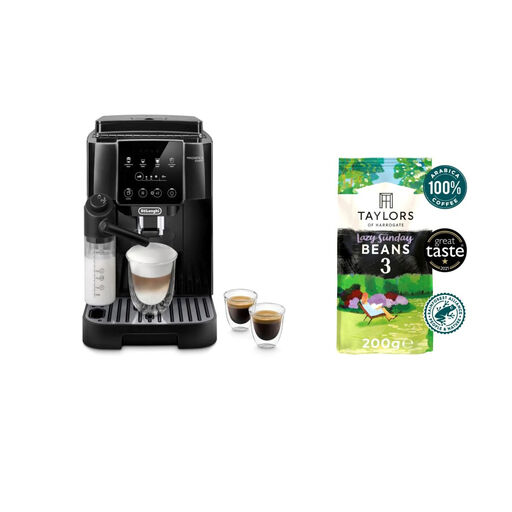 Image unavailable
De’Longhi Magnifica Start ECAM220.60.B with Taylors of Harrogate Lazy Sunday beans, 200 g
Consider this model if you want bean-to-cup espresso and automatic milk preparation for family drinks. Its title specifies four one-touch recipes and automatic milk preparation; check the exact milk-container capacity and cleaning instructions against your serving plans.
View on Joybuy
 Image unavailable
De’Longhi Magnifica Evo ECAM290.83.TB with automatic milk preparation
This bean-to-cup model suits a host who would rather select a milk drink than froth every serving manually. Check the milk-container capacity and the ECAM290.83.TB cleaning instructions when planning several drinks in succession.
View on Joybuy
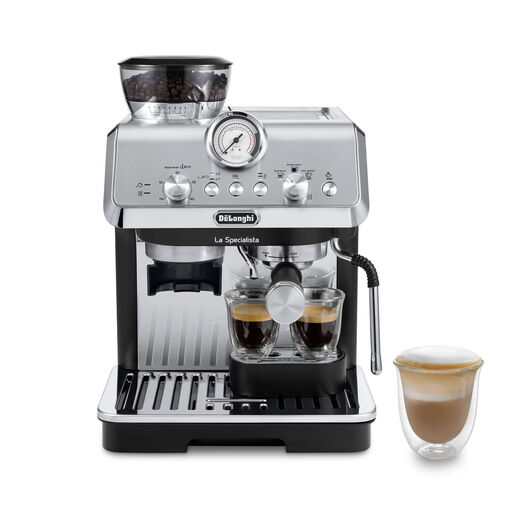 Image unavailable
De’Longhi La Specialista Arte EC9155.MB espresso machine, silver and black
Choose this manual espresso route if preparing the coffee and steaming milk yourself appeals more than one-touch milk drinks. Allow for hands-on work with each latte, and check the model’s cleaning instructions and back-to-back serving routine.
View on Joybuy
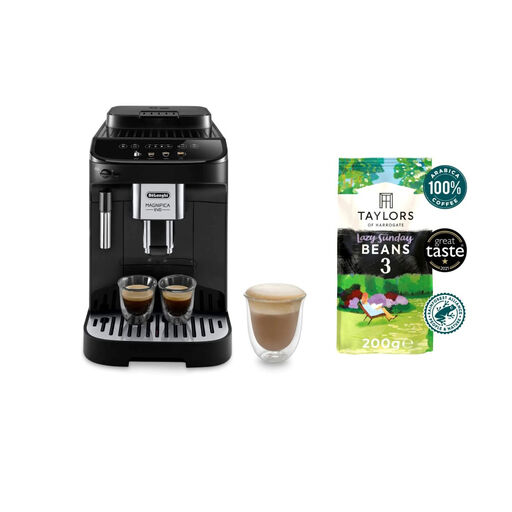 Image unavailable
De’Longhi Magnifica Evo ECAM290.21.B with milk frother and Taylors of Harrogate Lazy Sunday beans, 200 g
This model suits someone who wants bean-to-cup espresso but is willing to froth milk manually. That adds a step for each family latte; check the exact model’s milk-frother cleaning instructions before deciding.
View on Joybuy
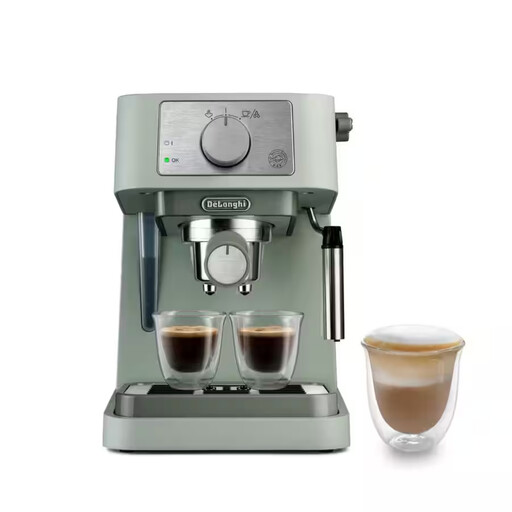 Image unavailable
De’Longhi Stilosa EC260.GR espresso machine, green
Consider this hands-on option if you are comfortable preparing espresso and steaming milk for each drink. Its manual workflow takes more involvement when several guests want lattes; check the model instructions for cleaning and refilling.
View on Joybuy
Frequently asked questions
Do I need an espresso machine with a hazelnut setting?
No: choose the machine for how it makes espresso and prepares milk, then add the hazelnut flavouring separately. Check the flavouring’s ingredients before serving it to guests.
Can I serve hazelnut lattes to everyone at a family meal?
Do not assume a hazelnut latte is suitable for every guest. The Food Standards Agency classifies hazelnuts as tree nuts; ask about allergies and check the particular syrup and any toppings before preparing drinks.
How much cleaning should I plan for?
Follow the instructions for the exact machine, particularly for parts that touch milk. Sage’s general guidance says that when making two to five coffees a day, most parts should be cleaned weekly; your model and pattern of use determine the routine you need to follow.
Is CE marking acceptable on an espresso machine sold in Great Britain?
For products placed on the market in England, Scotland and Wales, Department for Business and Trade guidance dated August 2026 says CE marking continues to be recognised alongside or in place of UKCA marking where the relevant requirements are met. That Great Britain guidance does not establish the requirements for Northern Ireland.


