Who each workflow suits

Hosts making several similar espresso drinks

If guests will have drinks made with the same beans and recipe, a grinder with programmable timed dosing can make the serving routine easier to repeat. Sage Appliances describes shot selection and timed dosing on its Smart Grinder Pro; the dose still needs checking when the coffee or settings change.

Home baristas switching beans or brew methods

If you make guest espresso but also change coffees or brew filter coffee, consider how easily you can clear one dose and return to a previous grind setting. Niche Coffee describes its Zero as a single-dose grinder with stepless adjustment; each new coffee may still need dialling in.

Espresso dial-in enthusiasts

If adjusting the shot is part of your routine, look for an espresso-capable grinder with the adjustment control you want to use. Eureka describes stepless micrometric adjustment on the Mignon Specialità, while Niche Coffee explains why changing grind fineness affects espresso extraction.

What matters when choosing

Timed hopper grinding

Choose it when: You usually serve several similar shots from one coffee and want to repeat a timed routine.

Allow for: A timer repeats a setting, not necessarily the same dose by weight after beans or grind settings change.

Single-dose grinding

Choose it when: You change beans or move between espresso and another brew method often enough to value grinding one measured portion at a time.

Allow for: Changing coffee still calls for grind adjustments rather than an automatic return to the right espresso setting.

Espresso-focused stepless grinding

Choose it when: Espresso is your priority and you want to make continuous, small setting changes while dialling in.

Allow for: A continuous dial may take more care to return to a former setting than a marked step, particularly when several people use the grinder.

Concern What to check Who this matters to
Espresso adjustment Confirm espresso use and whether adjustment is stepped or stepless; a setting count alone does not describe the size of each change. I want to fine-tune a shot rather than settle for one broadly labelled fine setting. Around 42% of consumers put espresso adjustment first.
Repeated guest drinks Check dosing controls, whether your portafilter fits and any limits on consecutive grinding. When several friends want the same drink, I want a routine I can repeat without unnecessary handling. For around 33% of consumers, serving repeated drinks is the primary concern.
Changing coffee Consider hopper versus single-dose use, how you return to earlier settings and the cleaning instructions. I switch beans or brew methods, so clearing one coffee before using another matters to me. Bean-and-brew flexibility comes first for around 25% of consumers.

Mistakes to avoid

  • Judging espresso control by the setting count alone

    A large number of settings does not tell you how usable the changes are for your espresso recipe. Joybuy Insights distinguishes stepped from stepless adjustment in its grinder guidance.

    Check that the exact grinder is described for espresso, then consider how you will make and repeat setting changes.

  • Expecting a timer to replace weighing and dialling in

    Timed dosing can repeat a routine, but a change of beans or grind setting can change the result. Joybuy Insights advises checking dose by weight when precision matters.

    Use the timer for convenience, and recheck the dose and shot when you change coffee.

  • Overlooking the electrical variant

    A model name alone may not identify the plug and electrical version you will receive. Niche Coffee lists different electrical versions of the Zero, and Sage Appliances instructs owners to match the supply to the grinder’s rating label.

    Before buying, confirm the complete model, rating label, plug, seller and applicable warranty terms for the exact unit.

  • Assuming a domestic grinder is intended for continuous service

    Making drinks for a few friends is not the same use pattern as repeatedly grinding throughout a café service. Consecutive-use and cooling instructions can affect how you organise a larger gathering.

    If you expect many drinks in succession, read the exact model’s operating limits and cooling guidance before using it that way.

Brands to consider for these workflows

Sage

Sage Appliances presents its UK Smart Grinder Pro BCG820BSSUK as a programmable burr grinder for espresso and other brew methods.

  • Sage lists 60 settings, shot or cup selection, portafilter or container grinding, and timed adjustments in 0.2-second increments for this model.
  • Its stepped, timer-led workflow still requires grind and dose checks when the coffee or recipe changes.

Niche

Niche Coffee positions the Zero around grinding one dose at a time and making stepless setting changes.

  • Niche specifies 63 mm conical burrs and a UK G-type, 220–240V/50–60Hz version of the Zero.
  • A different bean still needs its own espresso setting; check the version and workflow against how often you change coffees.

Eureka

Eureka describes its Mignon Specialità as an espresso-oriented grinder with stepless micrometric adjustment.

  • Eureka specifies 55 mm hardened-steel burrs and an adjustable portafilter fork for the Specialità.
  • Confirm the exact electrical variant, portafilter fit and seller warranty terms before choosing a particular unit.

Joybuy grinders for this decision

These grinders cover several ways to prepare espresso for guests, from timed dosing to stepless adjustment and portable electric grinding. Compare their serving routine and operating instructions with the number of drinks you plan to make.

Sage the Smart Grinder Pro BCG820BSSUK

Sage the Smart Grinder Pro BCG820BSSUK

Consider this timed-dosing model when you expect to make several similar espresso drinks from the same beans. Sage Appliances specifies 60 grind settings and timed adjustments in 0.2-second increments for the BCG820BSSUK. Check the dose again if you change beans or settings, and confirm the exact unit’s electrical rating and warranty terms.

View on Joybuy
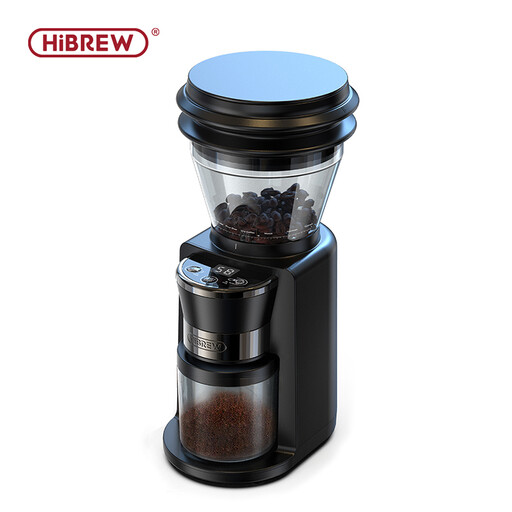
HiBREW G3 electric coffee grinder

HiBREW G3 electric coffee grinder, 34 settings

Consider its single- and double-cup dosing controls if you want to prepare repeated guest servings. The product name specifies a 48 mm conical burr, 210 g bean container and 100 g grounds tank. Follow the product guidance against more than 10 continuous grinding cycles; if an E-2 error appears, unplug it and allow at least 30 minutes to cool. Confirm the plug and warranty terms for the exact unit.

View on Joybuy
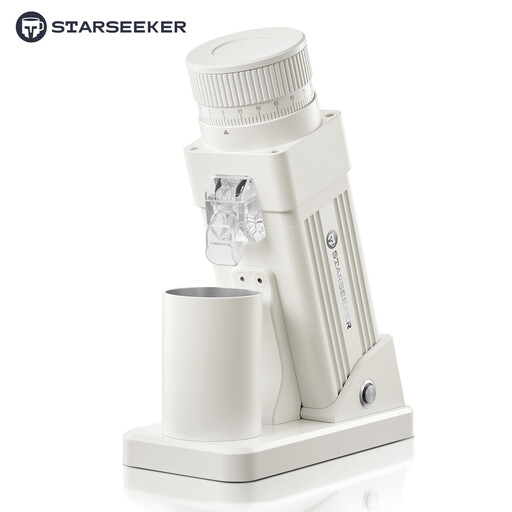
Starseeker E55 Pro white electric espresso grinder

Starseeker E55 Pro espresso grinder, white

Consider this model if you want stepless adjustment while dialling in espresso. Its product name specifies a 55 mm titanium-alloy conical burr and a 72 W AC motor. Check the exact unit’s electrical compatibility, warranty terms and fit with your portafilter before buying.

View on Joybuy
Black TIMEMORE portable electric burr coffee grinder

TIMEMORE portable electric burr grinder, black

Consider this portable model if you want an electric grinder described for both espresso and French press. Its product name specifies 30 settings, auto-stop and clog protection. The product guidance says to avoid more than six consecutive espresso batches to prevent overheating; check its instructions and warranty terms before use.

View on Joybuy
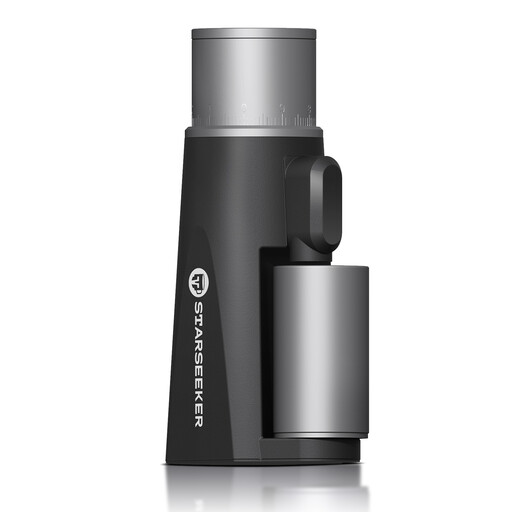
STARSEEKER EDGEmini portable wireless coffee grinder

STARSEEKER EDGEmini portable wireless coffee grinder

Consider this portable burr grinder if you want to prepare espresso and pour-over coffee with one device. The product information describes stepless adjustment, but warns that very light-roast beans may jam when ground finely for espresso. Check the continuous-use and charging instructions, as well as the warranty terms, for the exact unit.

View on Joybuy

Frequently asked questions

Should I choose a burr grinder rather than a blade grinder for guest espresso?

Prioritise a burr grinder that explicitly supports fine espresso adjustment. Joybuy Insights explains that burr grinding offers more particle-size control than basic blade chopping, although the result also depends on the burrs, settings, coffee and technique.

Where should I start with the grind setting for espresso?

Start with the grinder manufacturer’s espresso guidance, then adjust in response to the shot rather than treating one setting as correct for every bean. Niche Coffee explains that grinding too finely can over-extract espresso, while grinding too coarsely can under-extract it; note the settings that work for each coffee and recipe.

Can I use a grinder sold for another electrical market in the UK?

Only consider the exact unit after checking its rating label, voltage and frequency, plug and warranty terms. Niche Coffee distinguishes a UK G-type 220–240V/50–60Hz Zero from its US version, while Sage Appliances instructs owners to ensure their electricity supply matches the grinder’s rating label.

How should I dispose of an old electric coffee grinder in the UK?

Use an appropriate electrical-recycling or retailer take-back route and check the arrangements available locally. UK government guidance on waste electrical and electronic equipment describes recovery, reuse and recycling as aims of the applicable framework; do not assume an electric grinder belongs in general waste.