
24/7 Customer Support

Free returns

Same-day & Next-day Delivery

Quality Guaranteed

Unlock Your Welcome Offers: FREE Delivery | Up to 80% OFF | Free 30-day JoyPlus trial
Download the APP
Choosing essential oils and diffusers can seem straightforward until you compare dozens of bottles, blends and ultrasonic machines. Marketing language often focuses on mood, sleep or “wellness” while leaving out practical details such as dilution, tank maintenance and running costs.
For UK households, the right purchase depends on how you intend to use it: occasional home fragrance, a bedtime routine, personal aromatherapy or regular use in a larger room. This guide highlights common buying traps, explains the specifications that matter and matches a selection of products to different needs.
A natural ingredient can still be highly concentrated. Pure essential oils should not automatically be applied directly to skin, swallowed or used around every household member. Oregano essential oil, for example, has a particularly strong aroma and product guidance commonly requires dilution and external use only.
Always check the ingredient list, dilution instructions, allergens and warnings. Keep oils away from children, avoid contact with eyes and follow any pregnancy, medication or sensitivity advice on the packaging.
Some products are designed only to add moisture, while an essential oil humidifier may combine humidification and fragrance diffusion. A dual-function model can be convenient, but it still requires regular cleaning. A humidifier with a large tank is not necessarily suitable for every oil; follow the manufacturer’s compatibility instructions.
Remote controls, ambient lighting and multiple mist settings can be useful, but they do not replace fundamentals such as stable placement, a washable tank and a suitable room capacity. Similarly, “organic essential oils” and “pure essential oils” describe qualities that should be checked against the label rather than assumed from the product title.
Look for the botanical name and whether the bottle contains a single oil, a pre-blended formula or an oil diluted in a carrier oil. A single-note option such as lavender essential oil, patchouli or geranium gives you control over your fragrance. A sleep essential oil blend is more convenient if you prefer a ready-made aroma.
Some oils are suitable for diffusion but require dilution for topical use. For example, the product information for Tisserand Lavender Organic states that it should be diluted before skin application. Never assume that diffuser oils are suitable for ingestion or neat application.
For a diffuser, water capacity affects how often you need to refill it. A 500ml tank may suit long evening sessions or larger living areas, while a compact diffuser may be more appropriate for a bedside table.
Adjustable mist output allows you to use a lower setting in a small bedroom. Timer options are also practical for bedtime routines and help avoid leaving the unit running unnecessarily. Check that the diffuser has clear maximum-fill instructions and an automatic shut-off or equivalent protection where specified.
A quiet diffuser is more comfortable in bedrooms, nurseries and meditation spaces. The MOOST 2290 lists operating noise of approximately 23–30 dB, although perceived noise can vary depending on the surface and room acoustics.
BPA-free materials may be a preference for some households, but cleaning remains essential. Unplug the device before refilling, do not immerse the electrical base and clean the water tank regularly as directed. Also check the plug, supplied instructions and relevant conformity information for use in the UK.
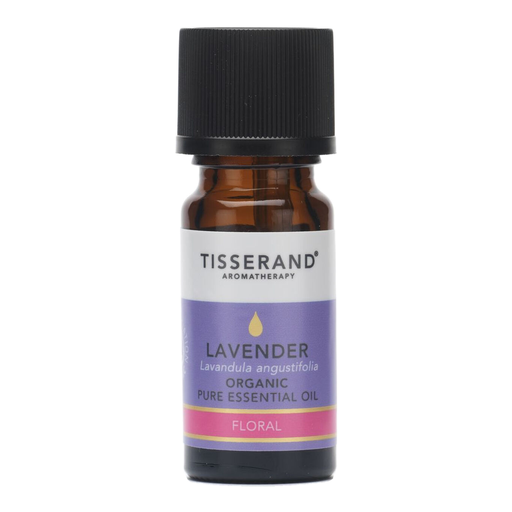
Why This Fits Their Persona: The 9ml bottle is a manageable starting size for adults who want to try a lavender aroma without committing to a larger collection. It can be used in a diffuser, bath or diluted for topical use.
The product clearly identifies lavender oil and states that topical use requires dilution, helping avoid vague “natural” claims and unsafe application.
100% pure organic lavender essential oil; compact 9ml format with several stated uses.
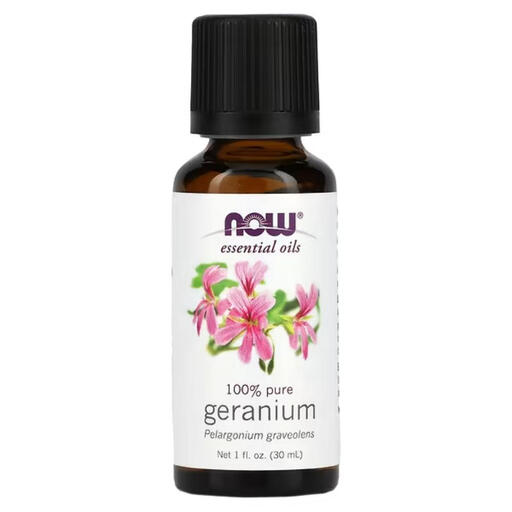
Why This Fits Their Persona: This larger bottle suits regular aromatherapy users who want an organic floral note for diffusers or carefully prepared personal-care blends.
Its listing specifies the botanical name, organic certification description and dilution guidance rather than relying only on broad wellness wording.
30ml volume; 100% pure organic geranium oil listed as Pelargonium graveolens.

Why This Fits Their Persona: A 500ml tank, adjustable mist and continuous mode are suited to households wanting longer sessions in a bedroom, office or living space.
The specification gives practical figures for capacity, noise and timer options, making it easier to compare real usability rather than decorative features alone.
500ml BPA-free tank; approximately 23–30 dB operation with 60, 120 and 180-minute timers.

Why This Fits Their Persona: This ready-made blend is designed for evening fragrance routines, combining lavender, sandalwood and jasmine for a soft, comforting aroma before bed.
It presents a defined three-oil ingredient list and gives clear external-use warnings rather than promising a guaranteed sleep outcome.
100% pure essential oils listed; suitable for diffusers, aroma spas and oil burners.
We have compiled a complete, real-time list of products that fully satisfy these strict selection criteria and UK safety regulations.
There is no universal amount because tank sizes and oil concentrations differ. Follow the diffuser’s instructions and begin with a small quantity. For the MOOST 2290, the supplied product information recommends 3–5 drops in a full 500ml tank. A lower amount may be more suitable for a small bedroom or if anyone in the household is sensitive to fragrance.
Clean the tank according to the manufacturer’s guidance, with weekly cleaning listed for the MOOST 2290. Unplug the unit first, empty any remaining water and gently wipe the ultrasonic plate. Do not immerse the electrical base and avoid leaving stagnant water inside between uses.
Electricity use depends mainly on the diffuser’s wattage and how long it operates. Multiply the wattage by operating hours, then apply your electricity tariff to estimate the cost. Timer settings can reduce unnecessary running time, while LED lighting may add a small amount to consumption. Check the product specification if running cost is a priority.