
24/7 Customer Support

Free returns

Same-day & Next-day Delivery

Quality Guaranteed

Unlock Your Welcome Offers: FREE Delivery | Up to 80% OFF | Free 30-day JoyPlus trial
Download the APP
Choosing essential oils and aromatherapy products can be more complicated than it first appears. Online listings often use terms such as “natural”, “pure” and “wellness” without explaining how a product should be used, what it contains or whether it suits your routine.
For UK shoppers, three common buying traps are worth avoiding:
The right choice depends on where you plan to use it, how much preparation you want to do and whether portability matters.
Look for the precise botanical name, such as Lavandula angustifolia for lavender or Pelargonium graveolens for geranium. This helps distinguish a single essential oil from an aromatherapy blend or fragranced product.
For pure essential oils and organic essential oils, check:
A pre-diluted blend may be more practical for beginners, while an undiluted bottle gives experienced users greater flexibility for diffuser blends or carefully prepared topical applications.
Diffuser oils are designed for compatible diffusers, aroma spas or oil burners. They should not automatically be applied to skin. Pulse point roller balls usually contain essential oils in a carrier base and are intended for external application to areas such as the wrists or neck.
Pillow sprays are made for bed linen or pillows, but you should still check whether the manufacturer advises spraying fabric directly. Facial oils are skincare products and may contain carrier oils, extracts, fragrance and essential oils in a formula intended for the face.
Do not confuse CBD oil with essential oil. CBD products are formulated around cannabidiol and a carrier oil, and they have separate dosage, labelling and suitability considerations. Follow the product label and seek advice from a healthcare professional if you take medication, have a medical condition, or are pregnant or breastfeeding.
A 9ml or 10ml essential oil bottle may last a long time because only a few drops are used per session. However, products with short recommended use-after-opening periods should not be bought in quantities that you are unlikely to finish.
Keep oils tightly closed in a cool, dry place away from direct sunlight and heat. Many essential oils are flammable, and citrus oils may require particular care around sunlight when used on skin. Always follow the label rather than relying on general online advice.
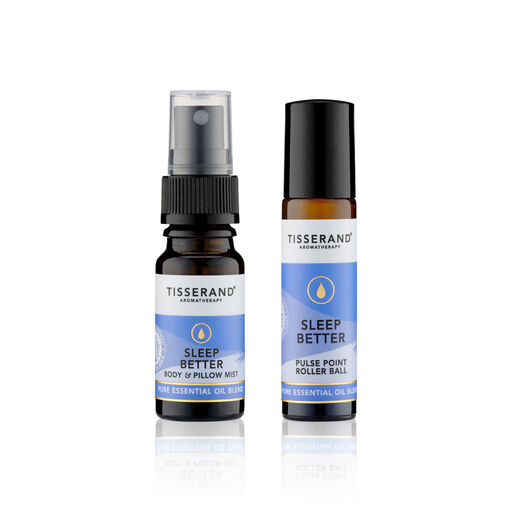
Why This Fits Their Persona: A straightforward way to try two sleep-focused formats without buying separate full-size products. The 9ml roller ball and 10ml mini mist are also convenient for travel around the UK.
The format and directions are clearly separated: apply the roller ball to pulse points and use the mist around the body, pillow or bed linen as directed.
Two complementary formats; lavender, sandalwood and jasmine oils; compact 9ml and 10ml sizes.
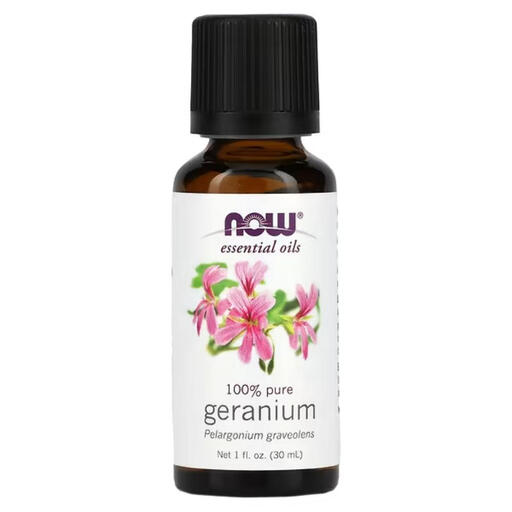
Why This Fits Their Persona: Suitable for shoppers who prioritise a named botanical, organic certification information and a larger 30ml bottle for repeated diffuser or diluted skincare use.
The listing identifies 100% pure organic geranium oil and states that it must be diluted before topical use, avoiding confusion between purity and skin readiness.
USDA Organic-certified geranium; 30ml volume; suitable for diffuser use or dilution with a carrier oil.

Why This Fits Their Persona: Designed for households that already own a compatible diffuser, aroma spa or oil burner and want a dedicated bedtime fragrance routine.
It is specifically presented as diffuser oil, rather than a skin product, with directions to add a few drops to the chosen device.
9ml bottle; blend of lavender, sandalwood and jasmine; compatible with several home fragrance formats.
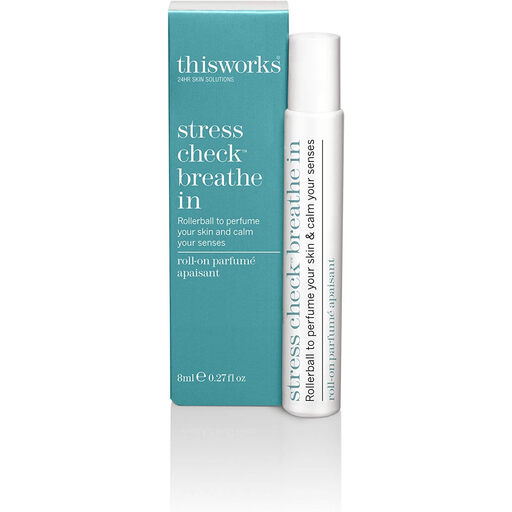
Why This Fits Their Persona: The compact roll-on suits commuters, office workers and frequent travellers who prefer a pocket-sized product rather than a home diffuser.
The 8ml roll-on uses coconut oil as a base and gives a clear pulse-point application method, rather than suggesting undiluted use.
Portable 8ml format; eucalyptus, frankincense and lavender blend; no diffuser required.
We have compiled a complete, real-time list of products that fully satisfy these strict selection criteria and UK safety regulations.
Before applying any oil, check the label for dilution requirements and carry out a small patch test where appropriate. Avoid the eyes, mucous membranes, broken skin and ingestion. Keep bottles away from children and pets, and ventilate rooms when using a diffuser.
If you are pregnant, breastfeeding, have sensitive skin, asthma or take medication, ask a qualified healthcare professional whether a particular product is appropriate. Stop using a product if irritation or discomfort occurs.
Shelf life varies by formula, bottle size and storage. Citrus oils may oxidise more quickly than some heavier oils. Check the batch information and manufacturer’s use-after-opening guidance. Store bottles sealed, upright and away from heat and sunlight.
Running cost depends on the diffuser’s water capacity, operating time and the number of drops used. Using the quantity stated on the product label helps control consumption. A small bottle can provide numerous sessions, but adding extra drops does not necessarily improve the experience.
No. Undiluted essential oils may irritate the skin. Use a product specifically formulated for topical application, such as a roller ball or facial oil, or dilute an appropriate essential oil with a suitable carrier oil according to the label.