
24/7 Customer Support

Free returns

Same-day & Next-day Delivery

Quality Guaranteed

Unlock Your Welcome Offers: FREE Delivery | Up to 80% OFF | Free 30-day JoyPlus trial
Download the APP
Enjoying a square of chocolate is one of life’s simple pleasures. But for many of us, that enjoyment is deepened when we know the treat we’re eating was produced responsibly. The challenge is navigating a market filled with buzzwords. What does it really mean when a chocolate bar is labelled as 'ethical'?
This guide is designed to help you understand the key markers of a truly ethical chocolate bar. We’ll offer practical advice on what to look for and share some standout options that deliver on both flavour and principle, helping you find a delicious treat that aligns with your values.
Making an informed choice is easier when you know what to look for. Here are a few key considerations to bear in mind when selecting your next chocolate bar.
Certifications are a straightforward way to verify a brand's claims. The Fairtrade mark is one of the most recognised indicators in the UK. When you see the Fairtrade logo, it signifies that the cocoa farmers have been paid a fair, stable price for their beans. It also means they receive an additional Fairtrade Premium, which is a sum of money for them to invest in their communities for projects like education, clean water or healthcare. Other certifications, such as B Corp status, indicate a company's commitment to high standards of social and environmental performance and transparency.
The quality of a premium milk chocolate bar often comes down to its ingredients. A key thing to check for is the type of fat used. Bars made with 100% pure cocoa butter will have a smoother melt and a richer flavour. Many mass-produced chocolates substitute cocoa butter with cheaper vegetable fats, including palm oil. Choosing a palm oil free chocolate is not only a marker of quality but also a choice that supports the protection of vital rainforest habitats.
Beyond certifications, a brand’s core mission can tell you a lot. Some companies are founded specifically to tackle injustices within the cocoa industry. They are transparent about their supply chain and actively work towards making slave-free chocolate the industry standard. Supporting these brands means your purchase contributes directly to their cause, making your indulgence a form of advocacy.
Here are our recommendations for delicious chocolate bars from brands that are committed to making a positive impact.

Why It Stands Out Divine Chocolate has a unique and powerful ownership structure: it is co-owned by the Kuapa Kokoo farmers’ co-operative in Ghana. This means the farmers who grow the cocoa receive a share of the profits, giving them a direct voice in the company. This bar combines creamy 38% milk chocolate with crunchy pieces of toffee and a hint of sea salt, creating a perfectly balanced and sophisticated flavour.

Why It Stands Out Tony's Chocolonely is on a clear mission: to make 100% slave-free chocolate the norm. The bar itself is a conversation starter, with its unevenly divided segments symbolising the inequality in the chocolate industry. This popular variant combines their signature 32% milk chocolate with crunchy caramel pieces and a touch of sea salt, a tried-and-true flavour combination.
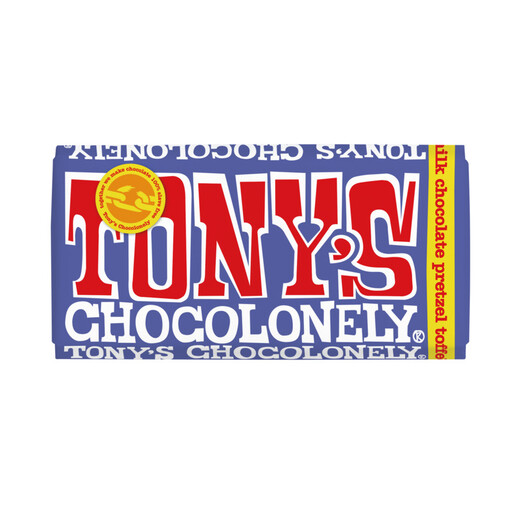
Why It Stands Out Building on the same strong ethical foundation, this bar offers a more adventurous flavour profile. It features a higher cocoa content (42% milk chocolate) for a richer taste, which is then packed with crunchy pretzel pieces and sweet toffee. The result is a delightful mix of sweet, salty and savoury with a satisfying textural crunch.
If the rich, buttery notes of caramel and toffee are what you crave, our recommendations are just the beginning. For a wider selection of indulgent treats that share these delicious characteristics, you can explore our full range of ethically sourced and flavourful chocolates.
Discover more in our Caramelised Milk Chocolate collection.
What makes a chocolate bar 'ethical'? An ethical chocolate bar is typically one produced with consideration for people and the planet. This usually involves ensuring farmers are paid fair wages (often verified by Fairtrade certification), actively working to eradicate forced and child labour from the supply chain (slave-free chocolate) and using sustainable farming practices, which can include being palm oil free.
Is Fairtrade chocolate better quality? The Fairtrade certification itself is a standard for the economic and social treatment of producers, not a grade of quality. However, brands that are committed to ethical sourcing often extend that commitment to using high-quality ingredients. They tend to use pure cocoa butter and natural flavourings, which results in a premium milk chocolate product that tastes better and has a superior texture.
Can ethical chocolate be given as a gift? Certainly. An ethical chocolate bar makes for a particularly thoughtful chocolate gift. It shows you have considered not just the recipient's taste but also the story and impact behind the product. It’s a gift that tastes good and feels good to give, adding an extra layer of meaning to the gesture.