A small group eating together
A bag of bite-size pieces or a breakable bar gives everyone access to one pack. Check its size and declared portions against the number of people sharing it.


For a small group eating together, a bite-size sharing bag or breakable bar lets people take pieces from one pack; individually wrapped bars make more sense when snacks are for separate people or revision breaks. Check the pack’s declared portions, nutrition information and allergens before sharing. For food provided during the school day in England, the Department for Education’s school food standards guide says chocolate and confectionery must not be served.
A bag of bite-size pieces or a breakable bar gives everyone access to one pack. Check its size and declared portions against the number of people sharing it.
A multipack of individually wrapped bars makes it easier to set aside a snack for each person or session. Check the exact bar’s ingredients before distributing it.
Check allergens before offering food to a group. If a school in England is providing snacks during the school day, the Department for Education’s school food standards guide says chocolate and confectionery must not be served.
Start with when and how the chocolate will be shared, then compare the exact packs’ portions, labels and ingredients.
| Priority | What to check | Your needs |
|---|---|---|
| Sharing format | Check whether the pack contains loose pieces, one breakable bar or separately wrapped bars. Match the format to a shared break or separate sessions. | We’re eating together now, so a bag or sharing bar could work; for different breaks, I’d rather set aside individual bars. |
| Pack portions | Compare pack weight and declared portions, where shown. Galaxy states that its 195g Minstrels pouch contains four 48.7g portions; Snickers lists three 40g bars in its Peanut Multipack. | I want the amount I bring to reflect the number of people or breaks, rather than treating an entire pouch as one portion. |
| Nutrition label | Use figures with the same stated basis, such as per portion or per 100g. Check total sugars and saturates on the exact pack; total sugars are not the same measure as free sugars in NHS guidance. | Before opening a larger pack, I’d like to know what its nutrition figures represent and how many declared portions we might share. |
| Allergens | Read the current ingredients and allergen statements for the exact variant, including any precautionary statement. Do not assume two products from one brand contain the same ingredients. | Someone in our group may need to avoid a particular ingredient, so the specific pack matters more than its familiar brand name. |
| School setting | Establish whether a school in England is providing the food during the school day. The Department for Education’s school food standards guide, updated 14 September 2026, says chocolate and confectionery must not be served in that setting. | If I’m organising a school-provided revision session in England, I need a permitted non-chocolate option instead. |
Galaxy declares four 48.7g portions in its 195g Minstrels Large Pouch. One open pack need not represent one serving.
Decide how many people or breaks the pack is for, then check its declared portions.
Ingredients differ between products and variants. Snickers Peanut Multipack lists peanuts, milk, soya and egg, and says it may contain other nuts.
Read the current ingredient and allergen information for the exact pack before offering it to a group.
The Department for Education’s school food standards guide applies in England and says chocolate and confectionery must not be served across the school day. That is a setting-specific rule, not a rule about private snacks at home.
For a school-provided session during the school day in England, select a permitted non-chocolate snack.
The NHS distinguishes free sugars from the total-sugars figure on food labels, which can also include sugars naturally present in ingredients such as milk.
Compare chocolate packs using label figures on a consistent per-portion or per-100g basis; do not treat total sugars as an exact free-sugars calculation.
These examples illustrate pack formats and label checks; details for one product do not automatically apply to another variant from the same brand.
Cadbury lists Dairy Milk Chocolate Buttons in a 100g bag, a loose-piece format for sharing at one break.
Galaxy lists Minstrels in an 80g treat bag and a 195g large pouch.
KitKat lists a 99g Milk Chocolate Sharing Bar for people who prefer to divide a bar rather than open a bag of pieces.
Snickers lists a Peanut Multipack containing three 40g bars for allocating snacks across separate breaks.
These options include bite-size sharing bags for a group break and bar multipacks for separate revision breaks. Check each exact pack before sharing, particularly when allergens matter.
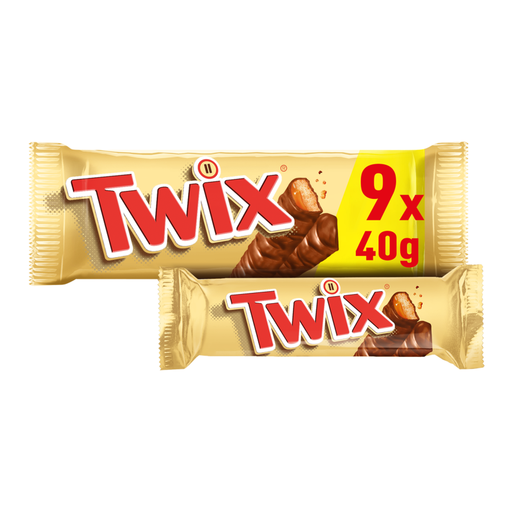 No image available
Nine separate twin packs can be set aside for different revision breaks. The listed allergens include milk, soya and wheat; check the current pack’s full allergen statement before sharing.
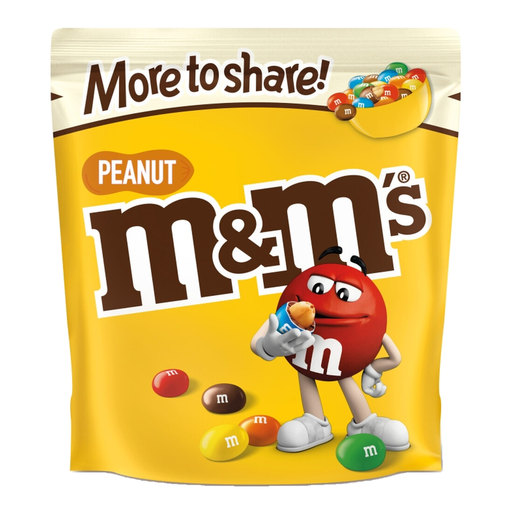 No image available
This pouch offers loose pieces for a group sharing one pack. Its listed ingredients include milk, peanuts and soya; check the exact pack before offering it to anyone with an allergy or intolerance.
No image available
A bag of loose chocolate buttons is an option for a group break. The listed allergens include milk and sulphur dioxide or sulphites, with a may-contain statement for soya; check the current pack.
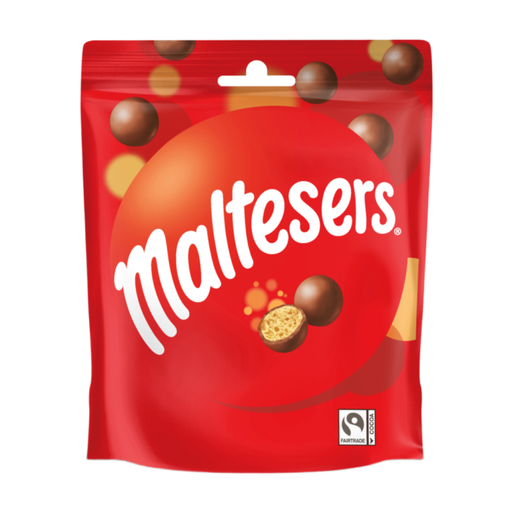 No image available
This smaller bag contains bite-size pieces for sharing at one break. The listed allergens include milk, barley, soya and wheat; check the current pack against the group’s needs.
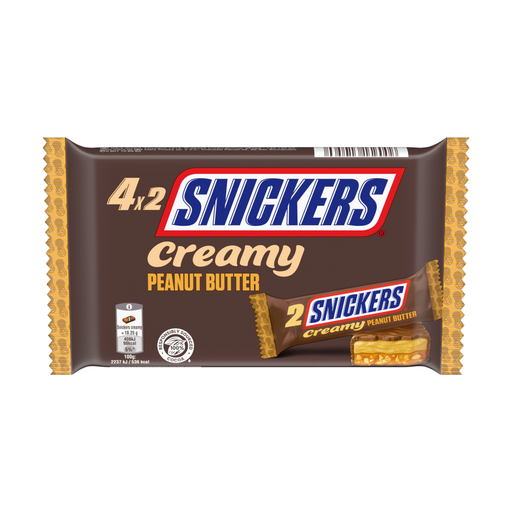 No image available
Four bars can be allocated to separate people or revision breaks. The listed allergens include peanuts, milk, egg and soya; the product information also notes a facility that handles tree nuts.
It can suit a group if the declared portions match the people sharing it. Galaxy’s 195g Minstrels Large Pouch, for example, declares four 48.7g portions; do not treat the whole pouch as one portion simply because it is opened at one session.
No. The NHS explains that total sugars on a food label can include sugars naturally present in ingredients such as milk. Use the label’s stated basis when comparing packs, rather than treating its total-sugars figure as an exact free-sugars amount.
Not as food served during the school day under the Department for Education’s school food standards practical guide, updated 14 September 2026. The England-specific guide says confectionery, chocolate and chocolate-coated products must not be served across the school day; it does not establish a rule for private snacks at home or for every other UK nation.
Read the current ingredients and allergen statements for the exact product and variant. For example, Snickers Peanut Multipack lists peanuts, milk, soya and egg and says it may contain other nuts; a different product’s label cannot stand in for that check.