Revision snackers avoiding gluten who can eat nuts
A nut snack remains an option if its current pack carries the gluten-free claim you need. Check its other ingredients too: a gluten-free nut bar can still contain milk or soya.


Choose a nut snack for revision only if peanuts and tree nuts are suitable for the person eating it, and check the exact pack for any other requirement, such as gluten-free or vegan. If peanuts or tree nuts must be avoided, choose a separate nut-free snack instead; neither a gluten-free nor a vegan claim establishes suitability for every allergy.
A nut snack remains an option if its current pack carries the gluten-free claim you need. Check its other ingredients too: a gluten-free nut bar can still contain milk or soya.
Look beyond the nut category for a replacement snack. A retailer’s nut-free range can help identify candidates, but check the individual pack before choosing one.
Find out which ingredients each person needs to avoid before selecting a shared snack. Check ingredient and precautionary allergen information on the actual packs rather than treating a vegan or gluten-free label as a general allergy claim.
Decide first whether a nut-containing snack is appropriate. Then check the particular dietary claim and allergen information needed for the person who will eat it.
Choose when: Peanuts and tree nuts are suitable, and the exact product meets any separate requirement, such as gluten-free.
Watch for: A flavoured mix or bar may contain allergens beyond its nut ingredients.
Choose when: The snack needs to avoid peanuts or tree nuts.
Watch for: A nut-free category does not establish whether an individual snack also meets other dietary or allergen requirements.
| Priority | What to check | Your needs |
|---|---|---|
| Specific allergens | Read the current ingredient list for the ingredients being avoided. Read any precautionary wording, such as “may contain”, separately: Food Standards Agency research explains that it signals possible unintended allergen presence. | I need the snack to match the particular allergens being avoided, not just a broad free-from description. |
| Gluten-free claim | Look for an explicit claim on the individual product. The Food Standards Agency defines “gluten-free” as no more than 20 mg/kg of gluten in food as sold to the final consumer; the claim says nothing about nuts or other allergens. | If nuts are suitable but gluten is not, I need a gluten-free nut snack and must check its other ingredients separately. |
| Vegan and allergen labels | Check the ingredients and any precautionary allergen statement alongside a vegan label. A vegan claim alone does not establish that cross-contact with animal-origin allergens has been controlled. | I am buying for someone avoiding an animal-origin allergen, so a vegan label cannot replace the allergen check. In a Food Standards Agency/Ipsos online survey conducted in December 2023 among respondents aged 16–75 in England, Wales and Northern Ireland, 53% of respondents with a food hypersensitivity to animal-origin allergens, and 50% of those regularly shopping for someone with one, were aware before the survey that vegan products might be unsuitable because of cross-contamination risk. These figures do not measure nut-snack buying. |
| Packaged or prepared | For a packaged snack, inspect its current label. For food prepared at an open counter or café, ask for current product-specific allergen information and consider cross-contact: Sainsbury’s and M&S Food both flag risks in open in-store preparation. | When I need to assess cross-contact information, I want an individual snack whose allergen details I can check before anyone eats it. |
M&S Food labels its Crunchy Peanut Butter Bar gluten-free, yet its ingredient list includes peanuts and almonds, as well as soya and dried skimmed milk.
Match the claim to the ingredient that must be avoided. If the snack needs to be nut-free, choose a nut-free alternative rather than a nut bar.
Sainsbury’s says its own-brand allergen lists are updated monthly and still advises checking packaging because products and ingredients can change.
Read the ingredient list and any precautionary allergen statement on the current pack before buying or eating the snack.
Open in-store preparation can involve cross-contact. M&S Food says it cannot guarantee that food prepared in its in-store facilities is allergen-free.
When managing an allergy, consider a clearly labelled packaged snack unless the retailer can provide suitable, current information for the prepared item.
Its natural-nuts range offers a place to look for nut snacks; check the claim and ingredients of the individual product.
Its nut-free browsing category offers a starting point for finding a replacement for nut snacks.
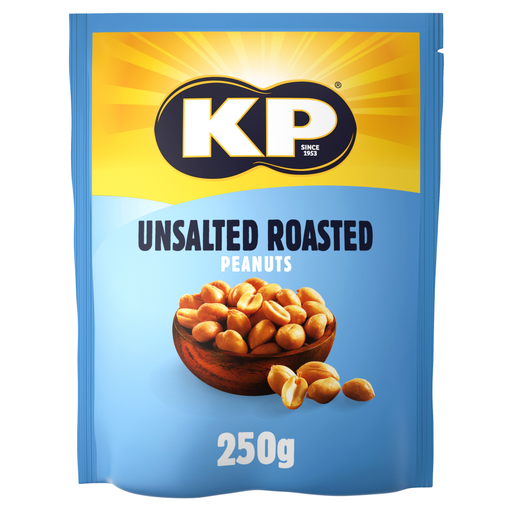
KP Unsalted Roasted Peanuts 250 g is a peanut snack for consideration only where peanuts are suitable.
These options include alternatives to nut snacks and snacks containing peanuts or chestnuts. Choose by the ingredient or allergen you need to avoid, and use the current pack label to assess any free-from requirement.
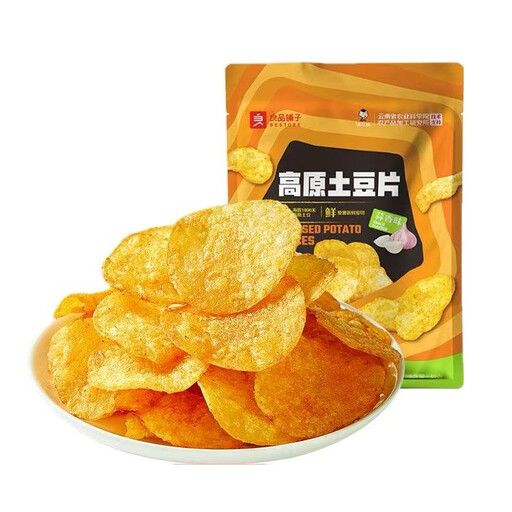 No image available
A 40g crisp snack to consider instead of nuts. Check the pack’s ingredient and precautionary allergen information, including soya, against the requirements of the person eating it.
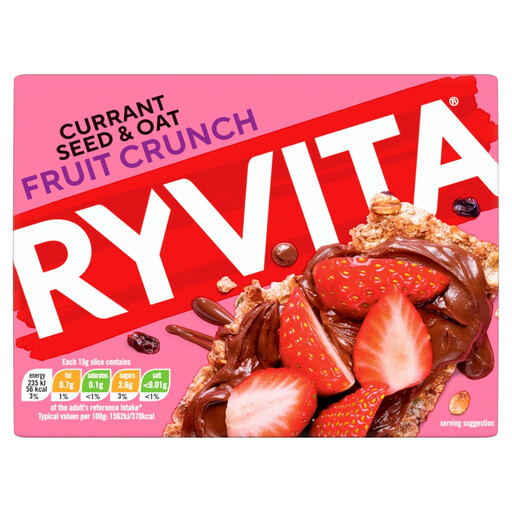 No image available
A 200g crispbread option to assess when looking beyond nut snacks. Check the current pack for the required nut information and for other relevant allergens, including gluten and any sesame precaution.
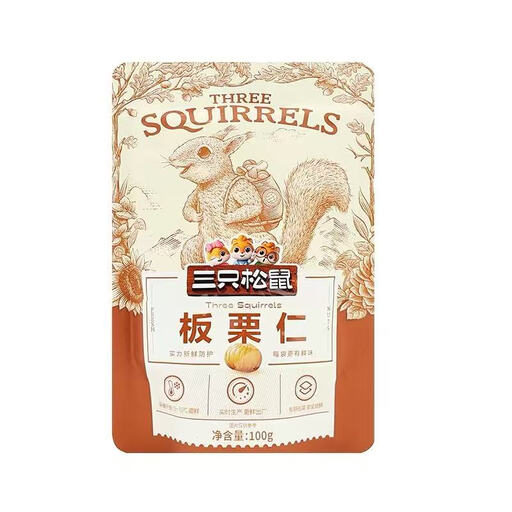 No image available
Chestnut kernels in a 100g pack for someone considering this particular ingredient as a revision snack. If avoiding nuts or gluten, assess the current pack’s ingredients, claims and precautionary wording rather than assuming suitability from the product name.
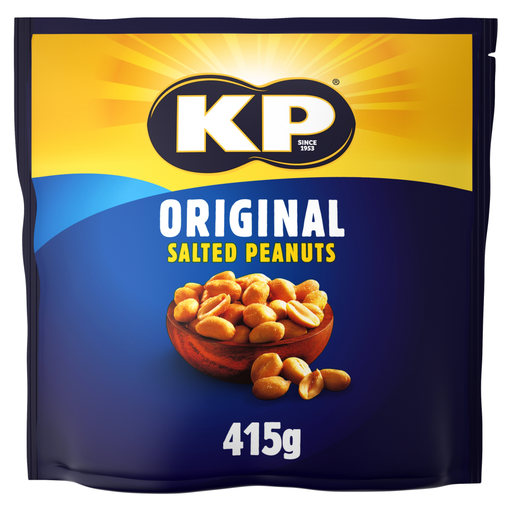 No image available
Salted peanuts in a 415g pack for a group where peanuts are suitable. Anyone needing a gluten-free claim, or avoiding other allergens, should check the current pack before choosing it.
 No image available
Unsalted roasted peanuts in a 250g pack for someone who can eat peanuts. “Unsalted” does not establish a gluten-free, vegan or other free-from claim; check the current pack for whichever requirement applies.
A snack containing the peanuts or tree nuts they must avoid is not an appropriate nut-free replacement. Look for a separate snack and check its individual pack; a retailer’s nut-free category is a way to find candidates, not a substitute for that check.
The UK Food Standards Agency defines “gluten-free” as no more than 20 mg/kg of gluten in food as sold to the final consumer. The claim does not establish that the snack is free from peanuts, tree nuts, milk or soya.
No. Vegan labelling does not replace product-specific allergen information, including information about possible cross-contact. Check the ingredients and any precautionary allergen statement on the exact pack.
It is precautionary allergen wording indicating that an allergen could be unintentionally present. Food Standards Agency research distinguishes this possibility from an allergen deliberately included in the ingredients, so read both parts of the label.
Ask for current allergen information about the particular item and its preparation. Sainsbury’s warns about cross-contact in open in-store preparation, while M&S Food says it cannot guarantee food prepared in its in-store facilities is allergen-free; a packaged snack with a readable label may be easier to assess.