
24/7 Customer Support

Free returns

Same-day & Next-day Delivery

Quality Guaranteed

Unlock Your Welcome Offers: FREE Delivery | Up to 80% OFF | Free 30-day JoyPlus trial
Download the APP
An exercise ball can support core workouts, stretching, Pilates, balance training and seated movement, but choosing the wrong one can make it uncomfortable or difficult to use. The product may look suitable online yet fail to match your height, desk setup or intended routine.
Before buying a yoga ball or gym ball, focus on construction, diameter and the practical details that marketing descriptions often leave unclear.
An anti-burst exercise ball is designed to reduce the risk of a sudden rupture, often by allowing air to escape more gradually if the surface is damaged. It is not indestructible. Sharp flooring, pet claws, rough storage areas and overinflation can still cause problems.
Look for clear information about the material, maximum user weight and recommended inflation diameter. You should also inspect the ball regularly, particularly around the valve and areas that contact the floor.
A 55cm exercise ball may be convenient in a smaller home gym, but it may feel too low for a taller user. A 75cm exercise ball can provide more room for seated work and stretching, but may be awkward in a compact room or for shorter users.
The correct size depends on your height, leg position, exercise style and, if you plan to use it as a yoga ball chair, the height of your desk. Your knees should not be forced noticeably higher or lower than your hips when seated. Check the retailer’s size guidance and adjust the firmness without exceeding the stated diameter.
An anti-slip exercise ball should have a textured outer surface that helps limit unwanted movement on a clean, flat floor. However, grip can vary depending on dust, moisture, flooring material and inflation pressure. A textured finish cannot replace sensible positioning or supervision during balance exercises.
Most options in this category use PVC (polyvinyl chloride). Check whether the listing describes anti-burst construction rather than simply using the word “safe”. The Capelli Sport 65cm model, for example, is described as having a honeycomb structure intended to support slower deflation if punctured.
This feature can reduce the likelihood of a sudden loss of support, but it does not remove the need to keep the ball away from sharp objects and inspect it before use.
Common sizes include:
Diameter is only one consideration. A ball used for Pilates or a core workout may need a different firmness from one used for sitting. If you are buying a pregnancy ball or birthing ball, choose a size that permits stable seated posture and follow guidance from your maternity or healthcare team.
The listed products support up to 330lb, approximately 150kg, but this figure should not be treated as a reason to exceed the stated limit. Consider your body weight, clothing, movement and any additional load during exercise.
A foot pump is useful because it makes initial setup easier. Inflate the ball in stages, allow the material to settle and avoid overinflation. A weighted exercise ball may feel more stable for certain routines, but it can also change how the ball responds during movement. Check the selected variant carefully before ordering.
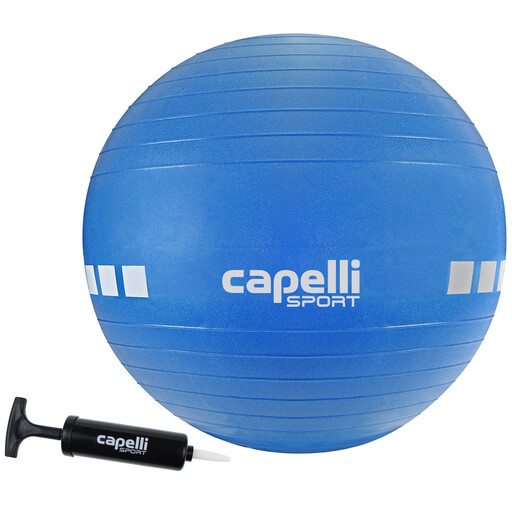
Why This Fits Their Persona: A compact option for first-time buyers, smaller rooms and users looking for one ball for home stretching, Pilates or light core routines.
The listing specifies anti-burst PVC, an anti-slip surface, a 330lb capacity and a foot pump rather than leaving key details unclear.
55cm diameter; anti-slip and anti-burst PVC; foot pump included.
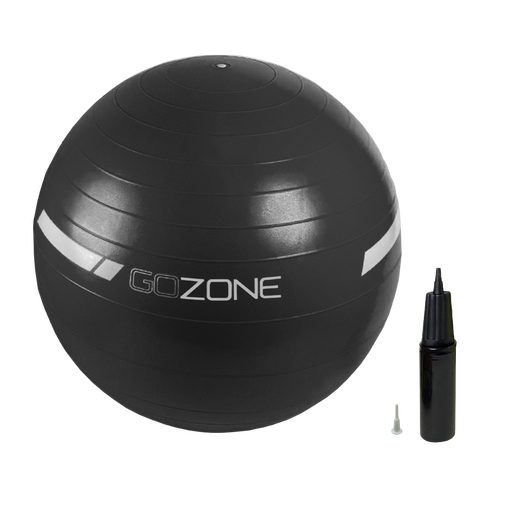
Why This Fits Their Persona: Suitable for taller adults wanting a larger surface for balance practice, stretching, core work or seated use in a home office.
Its stated anti-burst and textured PVC construction addresses sudden deflation and surface grip concerns, while staged inflation instructions help avoid overinflation.
75cm size; listed 330lb capacity; 3.5lb weighted option and foot pump included.
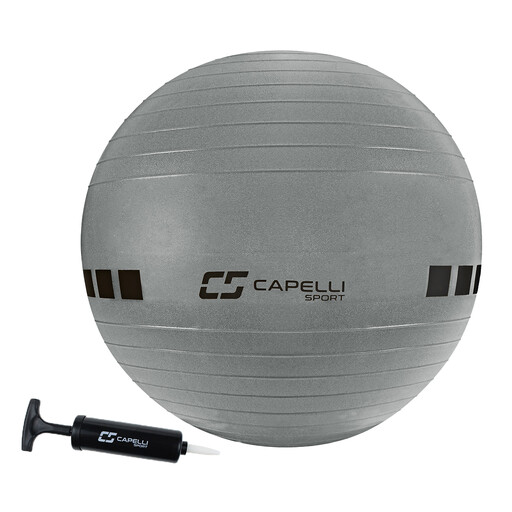
Why This Fits Their Persona: A practical middle-size choice for users combining gym-ball workouts, posture practice, pregnancy exercise or rehabilitation routines at home.
The product information identifies a honeycomb anti-burst structure and non-slip surface, rather than relying on an unspecified safety label.
65cm diameter; stated 330lb capacity; foot pump included; listed for yoga, Pilates and office seating.
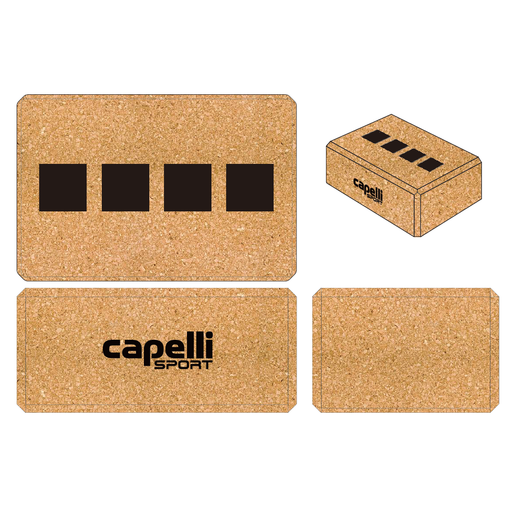
Why This Fits Their Persona: A useful companion for yoga, Pilates, meditation and stretching, particularly when you need extra height or support during floor-based movements.
The block has stated cork construction, a non-slip surface and bevelled edges, so its support features are clearly described.
Natural cork material; 9 x 6 x 4in dimensions; bevelled edges for handling.
We have compiled a complete, real-time list of products that fully satisfy these strict selection criteria and UK safety regulations.
Lifespan depends on frequency of use, inflation, storage and exposure to damage. There is no universal replacement interval. Replace the ball if you notice cracking, bulging, persistent leakage, valve damage or significant surface wear, even if it remains partially inflated.
Once purchased, an exercise ball has no electricity cost. Ongoing expenses may include occasional replacement pumps, plugs or the ball itself if it becomes damaged. Keeping it correctly inflated and stored indoors can help avoid unnecessary replacement.