
24/7 Customer Support

Free returns

Same-day & Next-day Delivery

Quality Guaranteed

Unlock Your Welcome Offers: FREE Delivery | Up to 80% OFF | Free 30-day JoyPlus trial
Download the APP
The humble exercise ball, also known as a yoga ball or gym ball, is one of the most versatile pieces of fitness equipment you can own. Whether you're looking to intensify your home workouts, improve your posture at your desk, find comfort during pregnancy, or support your physical therapy routine, there’s a stability ball designed for your needs.
However, with various sizes, materials and features available, choosing the right one can feel overwhelming. This guide is designed to cut through the clutter, providing clear, practical advice to help you select an exercise ball that fits your body and your goals. We’ll cover the essential features to look for and share our top recommendations to help you make an informed decision.
Before you add a ball to your basket, consider these key factors. Getting them right will ensure your new gym ball is safe, effective and comfortable for its intended use.
The most critical factor is size, which is determined by your height. Using a ball that is too large or too small can strain your back and knees. The goal is to have your hips and knees at a 90-degree angle when sitting on the ball with your feet flat on the floor.
Here is a general guideline for matching your height to the ball's diameter:
If you plan to use the ball as a yoga ball chair, also consider your desk height. You may need a slightly different size to ensure an ergonomic posture.
Safety should always be a priority. Look for an anti-burst exercise ball made from high-quality, durable PVC. An anti-burst feature means that if the ball is punctured by a sharp object, it will deflate slowly and safely rather than bursting suddenly, reducing the risk of injury.
Additionally, a non-slip or textured surface is important. This provides better grip on the floor and helps prevent you from sliding off the ball, especially during a dynamic core workout ball session or when used on smooth flooring.
While most exercise balls are multi-purpose, some have features tailored for specific activities:
physical therapy, or for anyone wanting extra stability during challenging balance exercises.Based on features, materials and user versatility, here are our recommendations to help you find a reliable stability ball.
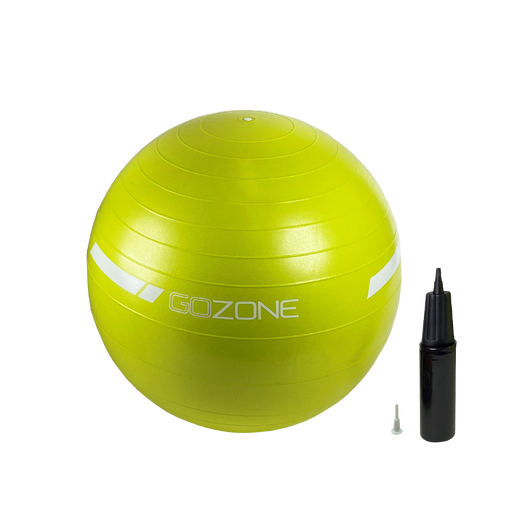
Why It Stands Out: This ball integrates a 2.5 lb weighted base, which provides noticeable stability. It helps prevent the ball from rolling away between exercises or when used as a chair, making it a practical choice for multi-tasking environments.
Pros:
Who is it for?: Individuals seeking extra stability for their home workouts, those using it for rehabilitation, or office workers wanting a yoga ball chair that stays put.
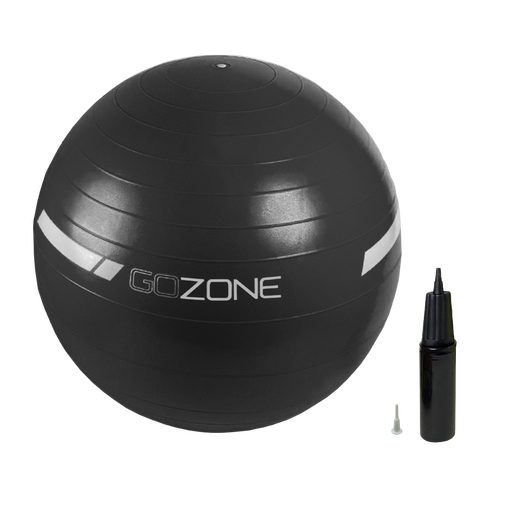
Why It Stands Out: Designed for taller individuals, this 75 cm ball features an even heavier 3.5 lb weighted base. This makes it an exceptionally stable platform for more demanding balance and strength training.
Pros:
pregnancy ball support for taller mothers, and as an ergonomic chair for higher desks.Who is it for?: Taller users who need a robust and highly stable gym ball for fitness, therapy, or as an active seating solution.
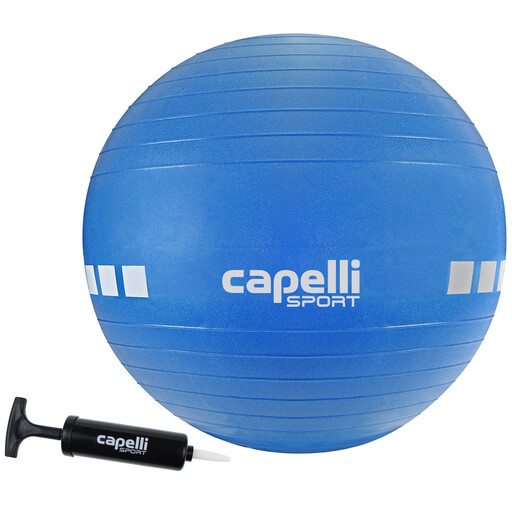
Why It Stands Out: This is a straightforward, effective exercise ball that delivers on all the essential features without added complexities. It’s a reliable choice for anyone starting their fitness journey or needing a versatile ball for general use.
Pros:
Who is it for?: Home fitness enthusiasts, individuals looking for a dependable yoga ball for daily stretching, or anyone seeking a functional and accessible option.
If these recommendations aren't quite what you're looking for, or if you need a different size or feature, don't worry. There are many other models available that might be a better fit for your specific needs.
Explore our full range of anti-slip balls to find the perfect match for your fitness routine or workspace.
1. What size exercise ball should I get? As a general rule, choose a size based on your height to ensure your knees are at a 90-degree angle when seated. Use our sizing guide above: under 5'4" typically suits a 55 cm ball, 5'4"–5'10" a 65 cm ball and over 5'10" a 75 cm ball.
2. Can using an exercise ball as a chair help with back pain? Using a stability ball as a chair encourages "active sitting," which engages your core muscles to maintain balance. This can help improve posture and strengthen the muscles that support your spine. However, it's best to start by using it for short periods and gradually increase the time. If you have persistent back pain, it is always advisable to consult a healthcare professional.
3. How do I know if my gym ball is inflated correctly? A properly inflated ball should feel firm to the touch but still have a little give. When you sit on it, it should compress by a couple of inches. Most balls come with a measuring tape or instructions to help you inflate to the correct diameter (e.g., 55 cm, 65 cm). Avoid over-inflating, as this can make the ball too hard and compromise its stability and safety.