
24/7 Customer Support

Free returns

Same-day & Next-day Delivery

Quality Guaranteed

Unlock Your Welcome Offers: FREE Delivery | Up to 80% OFF | Free 30-day JoyPlus trial
Download the APP
An exercise ball, often called a stability ball or yoga ball, is one of the most versatile pieces of equipment you can own. It’s a simple tool that can enhance a home fitness routine, improve posture as an office chair alternative or provide support during pregnancy and physical therapy. However, the market is flooded with options and it's easy to make a purchase you'll later regret.
As a Joybuy Product Recommendation Officer, my role is to help you see past the marketing clutter. Before you buy, let's look at the common traps that lead to disappointment and wasted money.
To ensure you get a safe and effective product, focus on these non-negotiable specifications.
The diameter of the ball is the most critical factor. While you should always check the manufacturer's specific recommendations, a general guideline based on your height is a reliable starting point:
If you plan to use the ball as a desk chair, measure your desk height. Your thighs should be parallel to the floor when seated. This might mean you need a different size for your desk than you would for exercise.
Beyond the size, the material dictates the ball's safety and longevity. Look for these key terms:
We've matched some products to common user needs, focusing on how they address the pitfalls and deliver on the essential parameters.
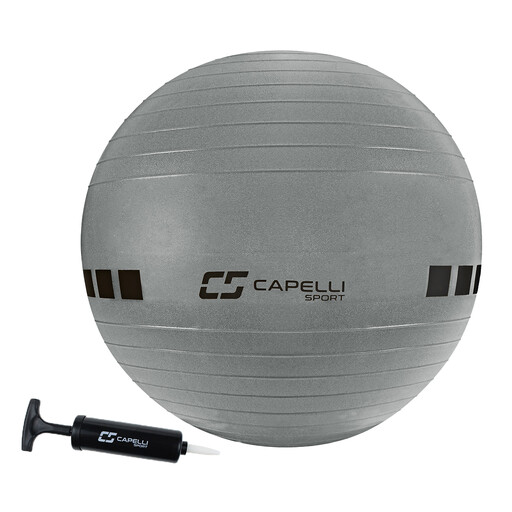
Why This Fits Their Persona: The 65cm diameter is a versatile size for individuals of average height looking to swap their desk chair for active sitting. It helps engage core muscles and improve posture during long workdays.
It directly addresses the safety pitfalls with its specified anti-burst construction for slow deflation and a non-slip surface to prevent sliding on office floors.
Its honeycomb structure is designed for safety and the 330 lb weight capacity provides confidence for daily use. Includes a foot pump for convenience.
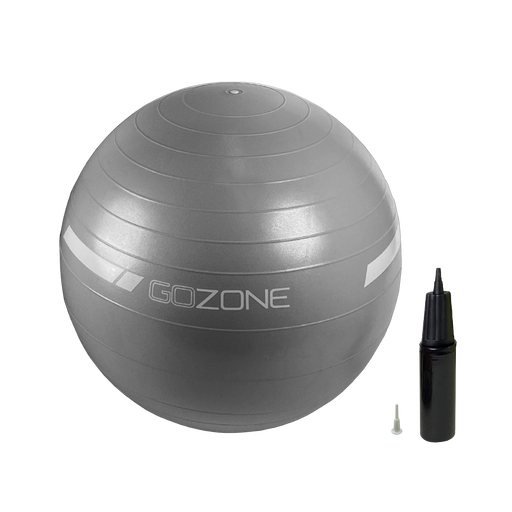
Why This Fits Their Persona: This is a weighted stability ball. The 3lb base adds an extra layer of challenge to core workouts by increasing the effort needed to keep it steady, while also preventing it from rolling away between sets.
The weighted base inherently makes it less prone to slipping or rolling, directly countering the stability pitfall. It also features an anti-burst design for workout safety.
The added weight enhances stability for advanced exercises. It's made from heavy-duty PVC with a high weight capacity, suitable for intense, regular use.
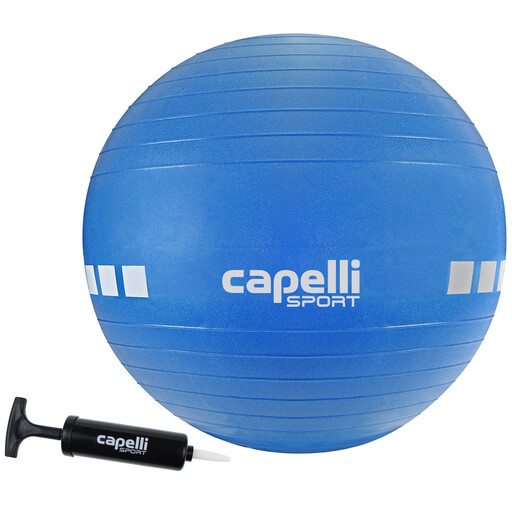
Why This Fits Their Persona: For use as a pregnancy ball or for physical therapy, safety is paramount. This ball focuses on the essentials: reliable anti-burst and anti-slip features in a common size suitable for gentle exercises, stretching and labour support.
It avoids the "one-size-fits-all" trap by being offered in multiple sizes (this one being 55cm) and prioritises the anti-burst and anti-slip safety features crucial for this user group.
This is a straightforward, reliable choice. Its professional-grade PVC construction and high weight capacity provide the stability and peace of mind needed for rehabilitation and prenatal care.
We have compiled a complete, real-time list of products that fully satisfy these strict selection criteria and UK safety regulations.
When you first unbox your ball, don't inflate it to its full size immediately. Inflate it to about 80% of the recommended diameter, let it sit for 24 hours to allow the PVC material to stretch and then inflate it the rest of the way. This prevents stress on the seams and helps it form a perfect sphere. Always use a measuring tape to ensure you don't over-inflate.
The lifespan of a stability ball depends on its quality, usage and environment. A high-quality ball used indoors and kept away from direct sunlight or heat sources can last for several years. Regularly inspect it for scuffs, thinning areas or changes in texture. If you notice any signs of significant wear, it's time for a replacement to ensure safety.
While using a yoga ball chair for office work can be beneficial for engaging your core and improving posture, it's often recommended to use it intermittently. Start with 20-30 minutes at a time and gradually increase as your core strength improves. Alternating between the ball and a traditional ergonomic chair can provide the benefits of active sitting without causing fatigue or strain from constant muscle engagement.