
24/7 Customer Support

Free returns

Same-day & Next-day Delivery

Quality Guaranteed

Unlock Your Welcome Offers: FREE Delivery | Up to 80% OFF | Free 30-day JoyPlus trial
Download the APP
Choosing between exfoliating face and body scrubs can be confusing. A product may promise smoother, brighter-looking skin, yet still feel too abrasive, leave skin tight or prove unsuitable for the area you want to treat.
This guide from the Joybuy Product Recommendation Officer focuses on practical details rather than marketing language, helping UK shoppers compare facial scrubs, body scrubs and gift sets with greater confidence.
Facial skin is generally more delicate than skin on the body. A coarse sugar scrub or a body exfoliator may feel comfortable on elbows and legs but be unsuitable for the face. Always check whether the packaging states face use, body use or both.
For example, Sol De Janeiro Bum Bum Body Scrub is specifically labelled for body use and should not be applied to the face. Using a product outside its intended area can increase the likelihood of discomfort.
A rough texture does not necessarily mean better exfoliation. Large particles, excessive pressure or frequent use can leave skin feeling dry or irritated. For a facial scrub, look for fine particles, a creamy balm or a soft cellulose texture, and follow the recommended frequency.
A gentle exfoliating scrub may be more practical for regular use than a formula that feels immediately intense.
Fragrance, essential oils, alcohol and certain preservatives may not suit every user. Those with reactive or sensitive skin should read the full ingredient list, avoid applying scrubs to broken or inflamed skin and consider a patch test.
Claims such as “natural”, “brightening” or “pore-cleansing” do not replace checking the actual formula. UK cosmetic products should have appropriate ingredient and safety information on the packaging, so review the latest label before use.
Start with the intended application:
A body scrub is also usually supplied in a larger quantity. For comparison, the Sol De Janeiro formula contains 220g, while facial products in this selection range from 50ml to 150ml.
The physical exfoliant affects how the product feels and how carefully it should be used. Examples include:
Massage with light pressure rather than scrubbing aggressively. A product that turns into an oil or milk when mixed with water may be more comfortable for dry skin.
Consider your routine and skin condition:
Exfoliation is not necessarily a daily step. Follow the product instructions and reduce frequency if skin becomes red, itchy, uncomfortable or unusually dry.
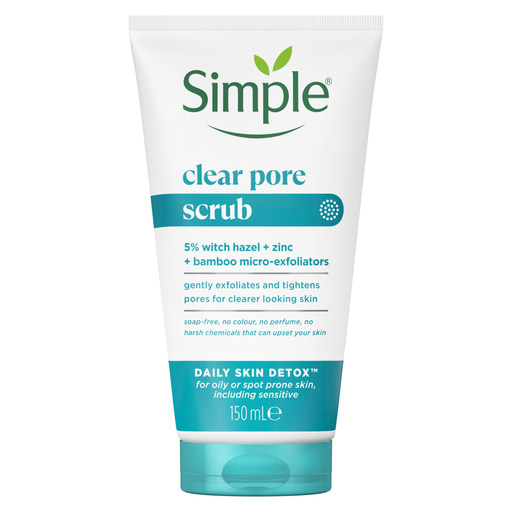
Why This Fits Their Persona: A practical starting point for UK shoppers wanting a face exfoliator for oily or combination skin without perfume or artificial colour.
Its directions limit use to 2–3 times weekly, helping prevent the over-scrubbing trap. It is also clearly positioned as a facial product.
150ml size, bamboo micro-exfoliators, zinc and niacinamide; the formula is listed as vegan-friendly and fragrance-free.
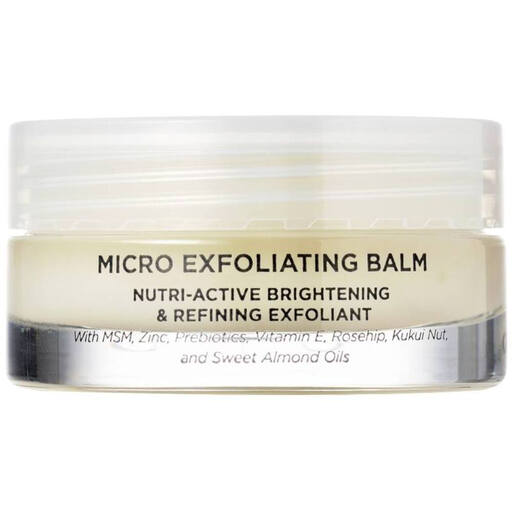
Why This Fits Their Persona: Suits shoppers who prefer a richer facial ritual and a balm texture, particularly during colder or drier UK weather.
The cream-to-milk texture and clear 2–3 times weekly directions offer a measured alternative to harsh, daily scrubbing.
Contains MSM granules, sweet almond oil, shea butter and prebiotics; designed for use on the face and neck.
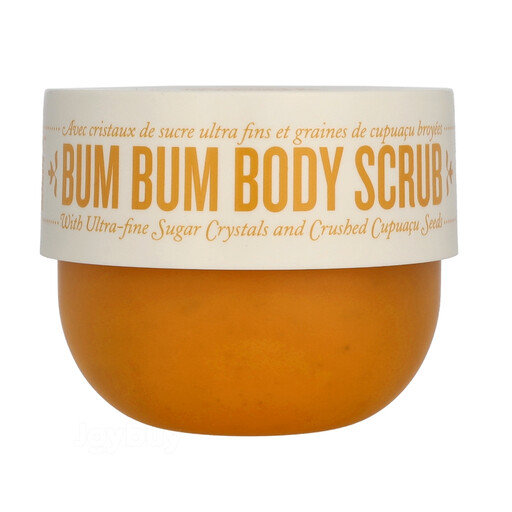
Why This Fits Their Persona: A body-focused option for shoppers who want a larger jar, a creamy texture and a fragranced shower routine.
The product description clearly states body use only, avoiding the common mistake of applying a body scrub to facial skin.
220g format with crushed cupuaçu seeds, coconut oil and guaraná extract; supplied without plastic microbeads.
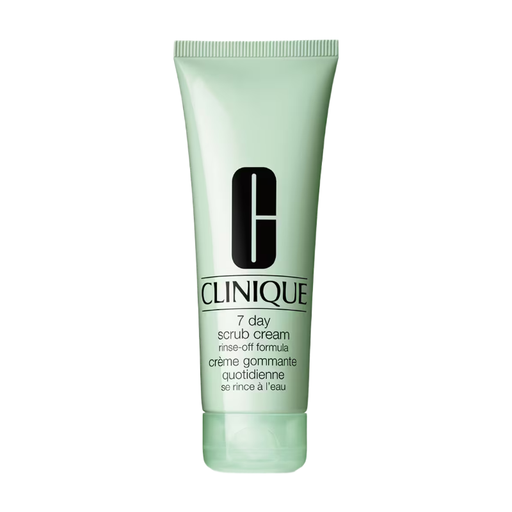
Why This Fits Their Persona: A fragrance-free facial option for shoppers who want a cream formula and a gradual approach to exfoliation.
The directions recommend starting two or three times weekly and avoiding active breakouts, rather than treating frequent use as suitable for everyone.
100ml cream containing silica; listed as fragrance-free and suitable for a range of skin types.
Apply most facial and body scrubs to damp, clean skin unless the packaging states otherwise. Use light circular movements, avoid the eye area and rinse thoroughly with lukewarm water. Follow with a moisturiser, particularly after using a body exfoliator on dry areas.
Do not exfoliate sunburnt, broken, inflamed or irritated skin. If you develop persistent redness, itching or discomfort, stop using the product and seek appropriate professional advice. Keep products away from children and check the packaging for current storage and shelf-life information.
We have compiled a complete, real-time list of products that fully satisfy these strict selection criteria and UK safety regulations.
Many facial scrubs are intended for once or twice weekly use, while some formulas specify up to two or three applications. Body scrubs are commonly used once or twice weekly. Follow the individual product directions and reduce frequency if your skin feels tight or irritated.
A blackhead scrub may help remove surface oil and dead skin cells, making pores look cleaner. It cannot guarantee that blackheads will disappear permanently. Avoid pressing hard or scrubbing active blemishes, and consider ingredients and usage instructions carefully.
The usable period varies by product, packaging and storage conditions. Keep the lid closed, avoid introducing water into the jar and check the period-after-opening symbol or printed shelf-life information on the packaging. A larger 200g–220g jar may offer more applications, but actual usage depends on how much is applied each time.