
24/7 Customer Support

Free returns

Same-day & Next-day Delivery

Quality Guaranteed

Unlock Your Welcome Offers: FREE Delivery | Up to 80% OFF | Free 30-day JoyPlus trial
Download the APP
An exfoliating face scrub can help lift surface build-up, excess oil and dead skin cells, but choosing the wrong formula may leave your skin feeling tight, rough or irritated. UK shoppers often face three common marketing traps:
The practical approach is to match the exfoliant to your skin type, preferred texture and the type of exfoliation you actually need.
There are three main types of facial exfoliator:
Some products combine methods. For example, a salicylic acid face scrub may also contain cellulose beads, while a bubble cleanser may combine enzymes with low-friction particles. Combining exfoliation types can increase the need for a gradual routine.
For face scrub for oily skin, look for ingredients such as salicylic acid, zinc or gentle pore-cleansing particles. These may help remove excess surface oil, although no rinse-off product can permanently change pore size.
For a face scrub for sensitive skin, prioritise a creamy or foaming texture, humectants such as glycerin and clear usage guidance. Fragrance, essential oils, alcohol and stronger exfoliating combinations may not suit everyone. Always patch test a new product and stop using it if redness, itching or stinging develops.
If your main concern is blackheads, a face scrub for blackheads should not be judged solely by the word “deep”. Check whether it includes salicylic acid, a gentle physical exfoliant or an enzyme-based cleansing system. Blackheads can return because sebum production continues, so consistent, moderate use is more practical than harsh scrubbing.
A daily exfoliating face wash may be convenient, but frequency should still follow your skin’s response. Many scrub products are better introduced two or three times weekly, while some mild cleansers are labelled for more regular use.
After cleansing, apply a moisturiser to reduce dry or tight sensations. If using salicylic acid or another exfoliating active, use daytime sun protection, particularly during prolonged outdoor exposure. Avoid applying exfoliators to sunburn, eczema, open wounds or severely inflamed areas.
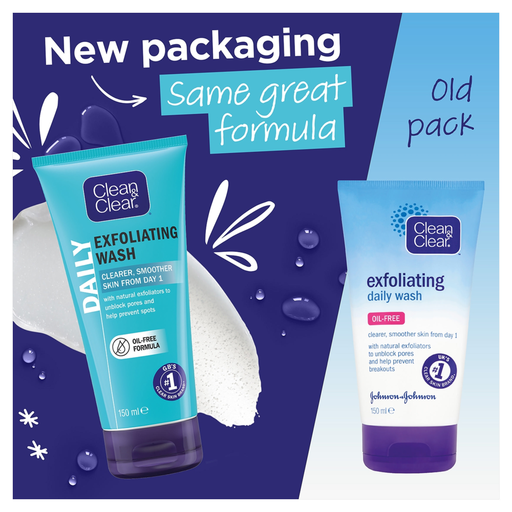
Why This Fits Their Persona: A straightforward wash-and-rinse option for shoppers starting a simple exfoliating routine.
The instructions specify gentle circular massage rather than aggressive rubbing, helping beginners control application pressure.
Contains cellulose exfoliators and glycerin; the 150ml size is practical for regular facial cleansing.
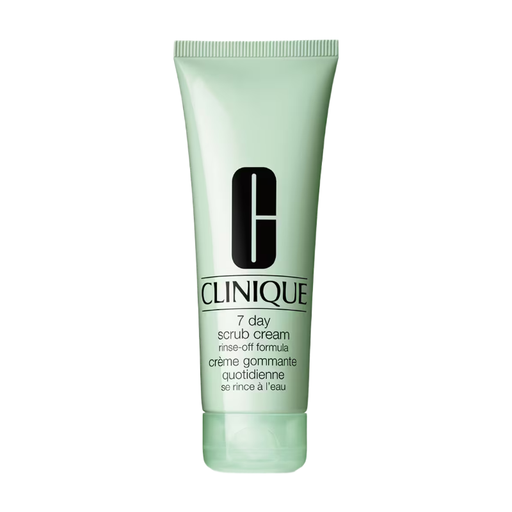
Why This Fits Their Persona: Suits shoppers looking for a fragrance-free cream texture and gradual introduction to exfoliation.
Its directions recommend starting two to three times weekly and increasing only when comfortable, rather than assuming daily use is appropriate immediately.
Uses silica in a creamy base and is listed as fragrance free, with a 100ml tube format.
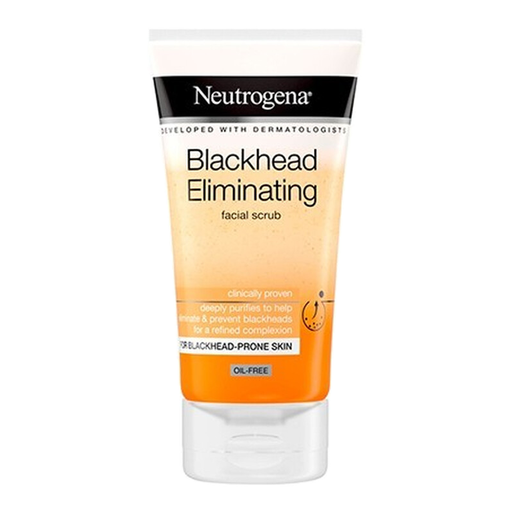
Why This Fits Their Persona: Designed for shoppers specifically comparing a salicylic acid face scrub for oily or blackhead-prone areas.
The formula states its 2% salicylic acid concentration, making the active easier to compare than vague “pore detox” wording.
Combines salicylic acid with cellulose exfoliating beads in a 150ml oil-free formula; sunscreen and irritation precautions apply.
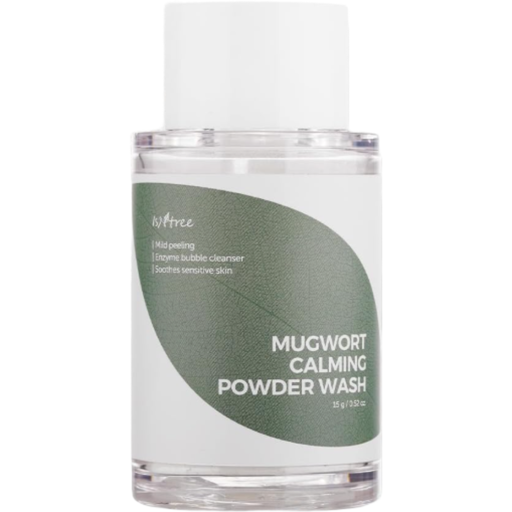
Why This Fits Their Persona: Individual powder portions are useful for travel, occasional exfoliation and shoppers who prefer measured application.
Its instructions suggest use two to three times weekly, reducing the risk of treating an enzyme powder as an automatic daily exfoliant.
Contains papain and mugwort leaf powder; the weakly acidic powder format is compact and portionable.
We have compiled a complete, real-time list of products that fully satisfy these strict selection criteria and UK safety regulations.
Start with one or two applications per week, unless the packaging gives different directions and your skin already tolerates the formula. Massage lightly for a short time, rinse with lukewarm water and moisturise afterwards. If your skin remains comfortable, you can follow the stated frequency gradually.
Avoid using several exfoliating products in the same routine, such as a salicylic acid scrub followed by an acid toner and an enzyme mask. This makes it harder to identify which product is causing irritation.
It can be, but choose a mild enzyme cleanser or fine-particle formula, use it infrequently at first and patch test beforehand. Avoid damaged or actively inflamed areas, and stop if discomfort develops.
No. A scrub can help remove surface debris and excess oil, while salicylic acid may help clear pore build-up. Blackheads can reappear as new sebum accumulates, so a consistent, gentle routine is more realistic than permanent removal claims.
Shelf life varies by product. Check the packaging for the period-after-opening symbol, batch information and storage instructions. Close the tube or container securely, keep it away from heat and direct sunlight and replace it if the texture, colour or smell changes unexpectedly.