
24/7 Customer Support

Free returns

Same-day & Next-day Delivery

Quality Guaranteed

Unlock Your Welcome Offers: FREE Delivery | Up to 80% OFF | Free 30-day JoyPlus trial
Download the APP
An exfoliating face scrub can help remove surface build-up, excess oil and rough-feeling skin, but the wrong formula may leave your complexion feeling tight, irritated or even more uneven. UK shoppers are often faced with products labelled “daily”, “deep cleansing” or “natural”, yet these terms do not always explain how a scrub will behave on your skin.
Before buying a facial scrub, look beyond the headline claim and check the exfoliating particles, active ingredients, intended use and directions. The right choice depends on whether you are dealing with dullness, blackheads, dryness, sensitivity or body-only concerns.
Large or sharp particles can feel as though they are doing more, but vigorous rubbing is not a reliable measure of effective exfoliation. Excessive friction may leave skin uncomfortable, particularly around the cheeks, nose and jawline.
A gentle face exfoliator should spread easily and require light circular movements. If you need to press hard to feel the product working, it may not be a suitable daily face scrub.
Sugar, rice powder, nut-derived ingredients, seed powders and plant extracts can all appear in a natural exfoliating scrub. However, natural origin does not automatically mean suitable for sensitive or blemish-prone skin. Particle size, fragrance and the overall formula still matter.
Read the full ingredient list and check the product warnings. Fragrance, essential oils and exfoliating acids can be unsuitable for some users, even when the formula contains familiar botanical ingredients.
A body scrub is generally designed for thicker areas such as the arms, legs and torso. It should not automatically be used on the face. For example, Sol De Janeiro Bum Bum Body Scrub is specifically labelled for body use only.
Likewise, a facial scrub may not provide enough product or exfoliating strength for rough heels, elbows or larger body areas. Matching the product to the correct area helps prevent disappointment and unnecessary irritation.
Physical exfoliants include cellulose, rice powder, sugar crystals, clay-based particles and seed powders. A cream, balm or foaming base can make the application feel more comfortable by helping particles move across the skin.
Chemical exfoliants include ingredients such as salicylic acid, glycolic acid, lactic acid and other acids. Salicylic acid is commonly selected for oily or congested areas because it is used in pore-focused formulas. If you already use acids, retinoids or other strong skincare products, avoid layering several exfoliating products without checking how your skin responds.
“Daily” on the front of a tube does not mean every skin type needs daily exfoliation. Follow the product’s directions and adjust according to comfort.
A product with acids, textured particles or both should be introduced gradually.
Look for moisturising ingredients such as glycerin, oils, shea butter or panthenol if dryness is a concern. For oily skin, a lighter, oil-free formula may feel more comfortable.
UK shoppers should also check the full INCI ingredient list, net content, usage instructions, warnings, batch information and period-after-opening symbol where provided. Always follow the packaging because formulas and directions may change.
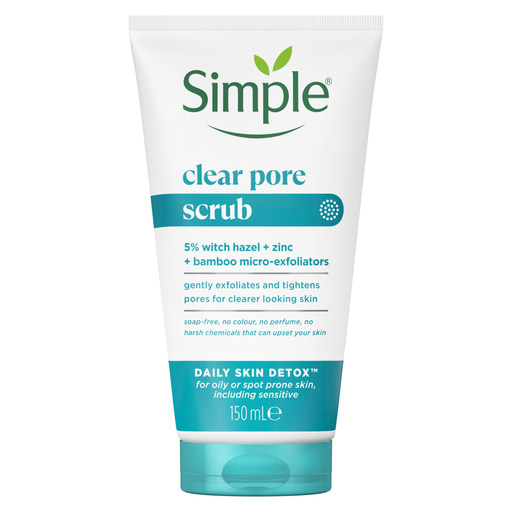
Why This Fits Their Persona: A practical option for shoppers beginning a simple routine and looking for a vegan-friendly pore scrub in a familiar 150ml format.
The directions recommend using it two to three times weekly, helping users avoid assuming that every facial scrub should be used daily.
Contains bamboo micro-exfoliators, glycerin, zinc PCA and niacinamide; the formula is listed as free from perfume and colour.
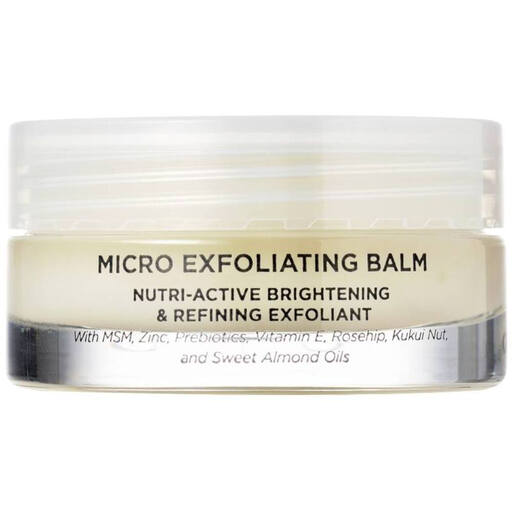
Why This Fits Their Persona: Suits shoppers who prefer a smaller, balm-textured facial treatment with a more nourishing application.
Its balm-to-milk texture is designed to emulsify with water, reducing the need for hard rubbing during removal.
Includes MSM granules, sweet almond oil, shea butter, prebiotics and botanical oils; recommended use is two to three times weekly.
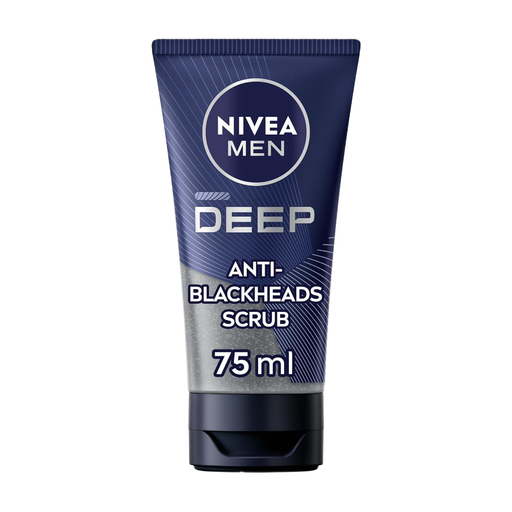
Why This Fits Their Persona: Designed for shoppers who prioritise a targeted blackhead scrub for oily or congested areas such as the nose and forehead.
It is clearly labelled for facial use and gives specific instructions to massage gently, rather than encouraging aggressive scrubbing.
Contains microcrystalline cellulose and glycerin, with a 75ml size that is convenient for targeted rather than full-body use.
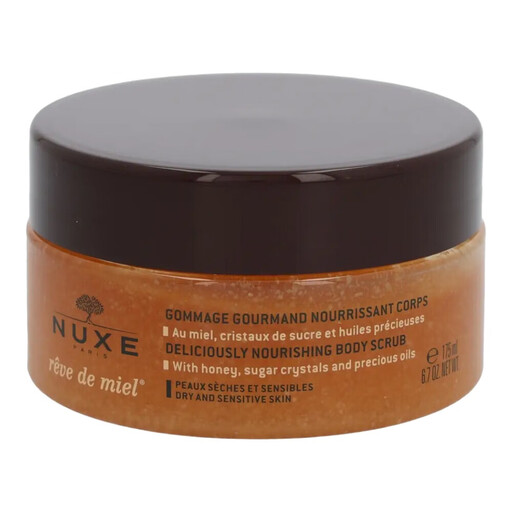
Why This Fits Their Persona: A body-focused option for people who want exfoliation and nourishment for dry-feeling skin on arms, legs and torso.
The product is explicitly presented as a body scrub, helping prevent the common mistake of applying a body formula to the face.
Uses sugar crystals with honey, sunflower oil, argan oil and shea butter; the balm texture transforms into an oil-like finish with water.
We have compiled a complete, real-time list of products that fully satisfy these strict selection criteria and UK safety regulations.
A patch test is sensible if you have reactive or sensitive skin. Stop using the product if persistent redness, itching, burning or discomfort develops, and seek appropriate healthcare advice if symptoms continue.
Only if the product directions specifically allow it and your skin remains comfortable. Many users will find that one to three applications weekly is sufficient. Daily use can be excessive when a product combines physical particles with acids or when your routine already includes active ingredients.
Salicylic acid is commonly included in products aimed at oily skin and blocked pores. However, a salicylic acid scrub may still cause dryness or irritation, especially when combined with other exfoliants. Follow the label, begin gradually and moisturise afterwards.
There is no universal lifespan because it depends on the formula, packaging and storage. Check the period-after-opening symbol and manufacturer information on the packaging. Keep the lid closed, store the product away from heat and moisture, and discard it if the smell, colour or texture changes noticeably.