
24/7 Customer Support

Free returns

Same-day & Next-day Delivery

Quality Guaranteed

Unlock Your Welcome Offers: FREE Delivery | Up to 80% OFF | Free 30-day JoyPlus trial
Download the APP
Dullness, rough texture, blocked pores and dry patches can make skincare feel ineffective. The right exfoliating skincare products may help remove surface build-up and leave skin feeling smoother, but choosing incorrectly can lead to wasted money or irritation.
The challenge is that product labels often use broad terms such as “resurfacing”, “pore refining” and “glow boosting”. These phrases do not tell you whether a formula is suitable for your face, body, skin sensitivity or existing routine.
A high acid percentage, rough grain or combination of several exfoliating methods can sound impressive. However, a strong formula may be unsuitable for beginners or sensitive skin. Over-exfoliation can leave skin feeling tight, sore or flaky.
Check the acid type, concentration and recommended frequency rather than relying on words such as “intensive” or “professional”.
A body scrub may contain larger particles or a richer oil base designed for thicker body skin. That does not automatically make it suitable for facial use. Conversely, a gentle face exfoliator may not provide the texture or quantity needed for legs, elbows or feet.
Always check whether the product is labelled for facial use, body use or both.
An exfoliating cleanser, exfoliating pads, serum and peeling mask can all serve similar purposes. Using several together may increase irritation without improving results. Retinol, benzoyl peroxide and other active products may also make a routine more demanding for sensitive skin.
Introduce one exfoliant at a time, use moisturiser afterwards and apply sunscreen during the day. AHA products can increase sensitivity to sunlight, so follow the packaging guidance carefully.
A chemical exfoliant uses acids or enzymes to loosen dead skin cells rather than relying only on rubbing.
A blend of AHA, BHA and PHA is not automatically suitable for everyone. Review the concentration, contact time and directions before buying.
Rinse-off products, such as a peeling mask or acid wash, have a shorter contact time. They can be easier to control when starting a new routine. Leave-on products, including serums and pre-soaked pads, remain on the skin for longer and should be introduced gradually.
For example, a one-minute rinse-off serum may suit someone wanting a weekly treatment, while exfoliating pads may be more convenient for a carefully planned routine. Do not increase frequency simply because a product is labelled for daily use; your skin’s tolerance remains the practical limit.
For a body scrub, inspect the exfoliating particles and massage instructions. Sugar, rice powder, cupuaçu seed powder and silica appear in several body and face formulas, but pressure should remain light. Avoid scrubbing damaged, inflamed or sunburnt skin.
Supporting ingredients such as glycerin, panthenol, hyaluronic acid, honey, shea butter and plant oils can improve the skin feel after exfoliation. Fragrance, essential oils and menthol may not suit reactive skin, so check the full ingredient list rather than relying on a “natural” description.
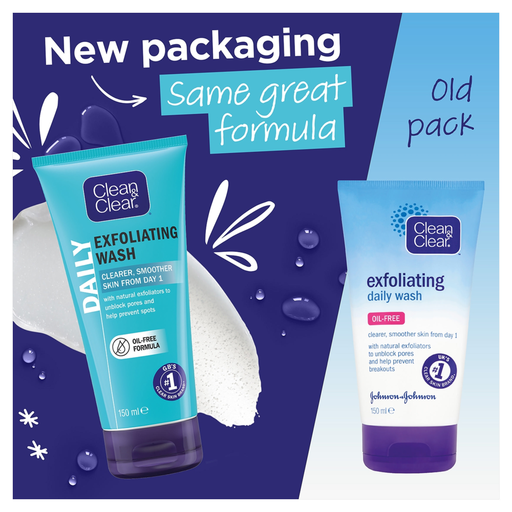
Why This Fits Their Persona: A straightforward wash-off option for shoppers who want to add light exfoliation without buying a separate treatment step.
It is a rinse-off cleanser, so contact time is limited. The product description identifies natural exfoliators and an oil-free formula.
150ml format; includes cellulose exfoliators and lactic acid in the listed ingredients.
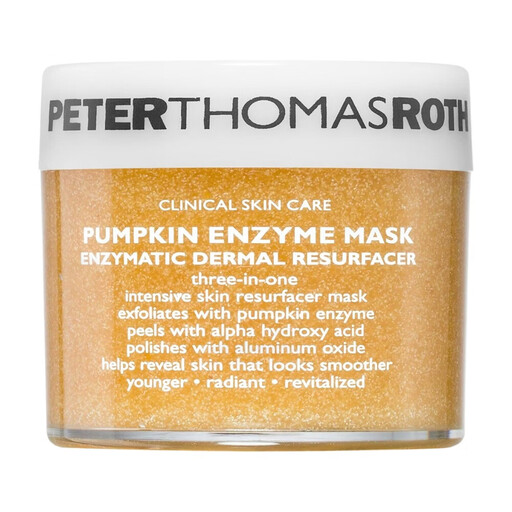
Why This Fits Their Persona: Suitable for shoppers interested in a more structured weekly facial treatment combining different exfoliation methods.
The directions specify a 3–7-minute application and use once or twice weekly, making the contact time clear.
Combines pumpkin enzyme, AHA and aluminium oxide crystals; the natural pumpkin colour can vary between batches.
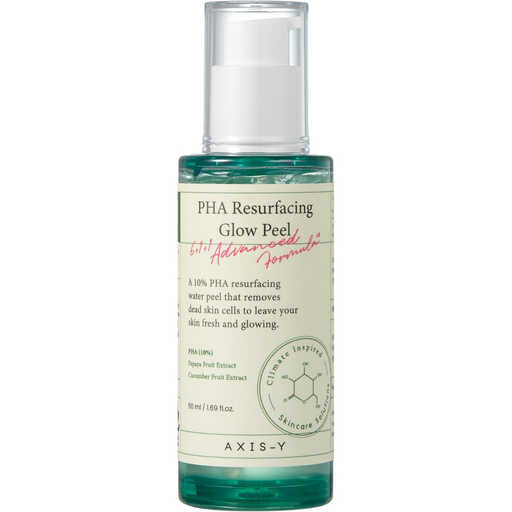
Why This Fits Their Persona: A gel-water PHA option for those who want a milder alternative to a stronger AHA or BHA exfoliator.
It states a 10% gluconolactone formula and gives a defined 10–15-minute application time, rather than leaving usage vague.
10% PHA; includes glycerin, cucumber, papaya and centella extracts in the listed formula.
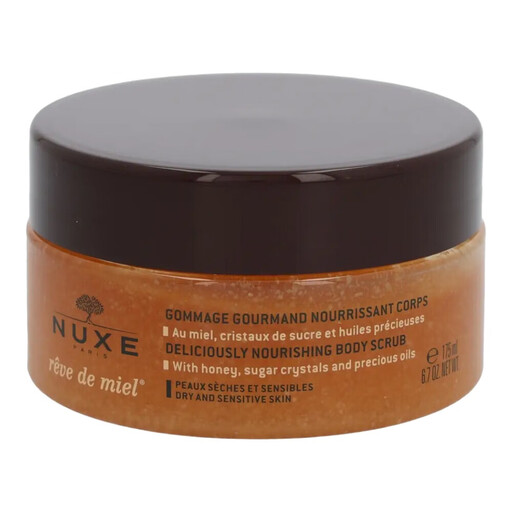
Why This Fits Their Persona: Designed for shower routines, especially when dry-feeling arms, legs or elbows need physical exfoliation followed by nourishment.
The directions specify damp skin, circular massage and use once or twice weekly. It is clearly positioned as a body scrub rather than a face treatment.
Sugar crystals provide physical exfoliation; the formula includes honey, sunflower oil and shea butter.
We have compiled a complete, real-time list of products that fully satisfy these strict selection criteria and UK safety regulations.
Many beginners can start with once weekly, then adjust according to tolerance. A body scrub may be used once or twice weekly, while a gentle cleanser may have different instructions. Always follow the individual product directions.
Some BHA or combination formulas are designed for oily and congested skin, but cosmetic products should not be treated as a cure for acne. Avoid applying exfoliants to open, inflamed or damaged areas, and consult a healthcare professional about persistent or severe breakouts.
Yes. Heat, sunlight and repeated air exposure can affect formulas, particularly products containing acids or vitamin derivatives. Check the packaging for the period-after-opening symbol, expiry information, batch details and storage instructions. Discard products that change colour, smell or texture unexpectedly.