
24/7 全天候客户支持

免费退货

当日/次日达

品质保障

开启新人专享福利: 全场免邮 | 低至 2 折 | 免费试用 30 天 JoyPlus 会员
下载 Joybuy
An exfoliating toner can help remove surface build-up, refresh oily areas and improve the appearance of uneven texture. However, choosing one based only on phrases such as “pore tightening”, “glow boosting” or “deep cleansing” can lead to irritation, dryness or a product that does not suit your routine.
For UK shoppers, the main decision is not simply whether a toner contains acids. It is how the formula, concentration, alcohol content, size and usage instructions match your skin.
A toner containing several acids may sound more effective, but combining AHA, BHA and PHA can increase the risk of over-exfoliation, particularly if you already use retinoids, scrubs or other active skincare. A product with a clearly stated active ingredient and sensible usage guidance is easier to introduce gradually.
A tight feeling after application may come from alcohol, astringents or moisture loss rather than genuine improvement in the appearance of pores. If your skin feels persistently dry or uncomfortable, the formula may be too harsh for daily use.
“Alcohol-free toner” and “fragrance-free” are useful search terms, but they should be checked against the packaging’s current INCI list. Some formulas contain essential oils, menthol or denatured alcohol, which may not suit reactive or sensitive skin. Product ingredients can change, so review the label before use.
Salicylic acid, also known as BHA, is oil-soluble and commonly selected for oily or congested skin. It can be a practical ingredient to look for in a salicylic acid toner, facial toner for enlarged pores or toner for blemish-prone skin.
Glycolic acid and lactic acid are AHAs. They work primarily on the skin’s surface and are often used in a brightening toner or texture-focused formula. A combined AHA BHA toner may address both surface dullness and pore congestion, but it may require a slower introduction.
PHA ingredients, such as gluconolactone, are generally used in milder exfoliating formulas. They can be worth considering if you want gentle renewal rather than a highly active clarifying toner.
For dry, combination or sensitive skin, look for supporting ingredients such as glycerin, panthenol, hyaluronic acid, allantoin or betaine. These do not cancel out the exfoliating action, but they can make the routine feel more comfortable.
If you are specifically seeking an alcohol-free toner, check whether the product contains denatured alcohol or alcohol listed among the early ingredients. Fragrance and essential oils are also relevant considerations if your skin is easily irritated.
A toner described as suitable for daily or twice-daily use should still be introduced according to your skin’s response. Begin with clean, dry skin and apply a small amount with clean hands or a cotton pad. Avoid the eye area, do not apply to broken or irritated skin, and stop if persistent redness, burning or itching develops.
Because AHA and BHA products can increase sensitivity to sunlight, apply broad-spectrum sunscreen during the day and limit unnecessary sun exposure. Do not use several exfoliating products together until you know how your skin responds.
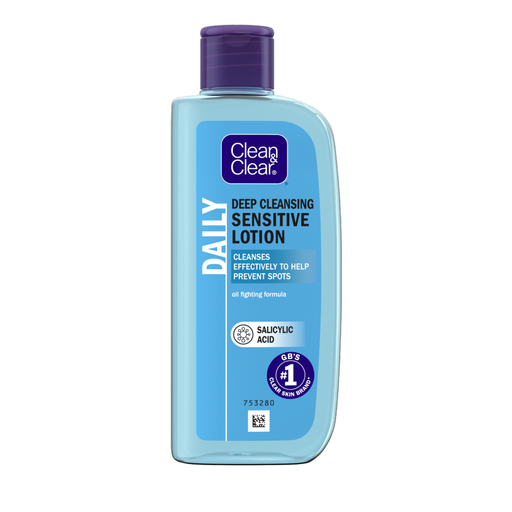
Why This Fits Their Persona: A straightforward option for shoppers beginning an uncomplicated routine for oily or combination skin in the UK.
Its listed formula identifies salicylic acid and an oil-fighting approach, rather than relying only on pore-related wording.
200ml format; no-rinse lotion; salicylic acid is listed as a key ingredient.
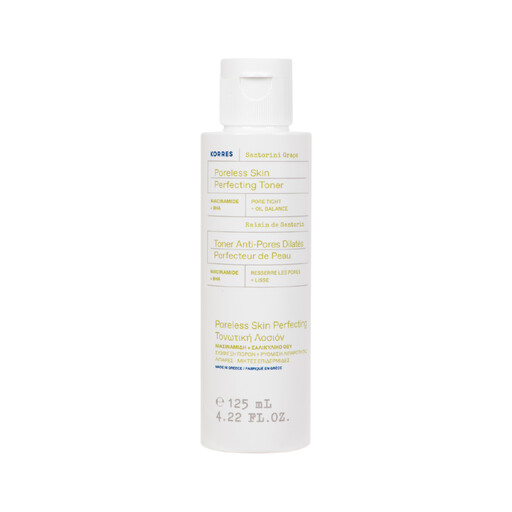
Why This Fits Their Persona: Suits shoppers who want a defined BHA formula with additional ingredients for a smoother, more radiant-looking finish.
The product specifies 2% salicylic acid and advises starting every other day, making the active level and introduction plan clear.
Contains niacinamide and Santorini grape extract; 125ml size; directions include patch testing and sunscreen.
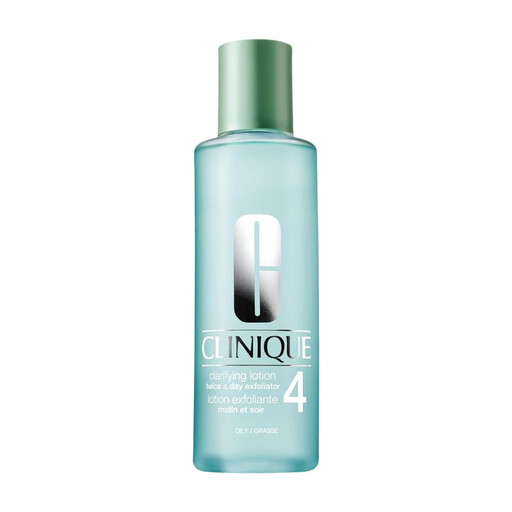
Why This Fits Their Persona: The larger 400ml bottle is practical for regular users who want a toner for oily skin as part of a consistent morning and evening routine.
The product is specifically positioned for oily skin and lists salicylic acid and witch hazel, rather than presenting a general-purpose moisturising toner as pore treatment.
400ml capacity; fragrance-free according to the product description; designed for twice-daily use.
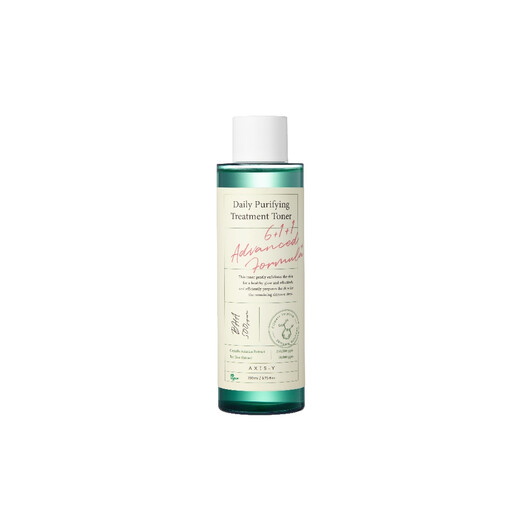
Why This Fits Their Persona: A Korean exfoliating toner option for shoppers looking for a lightweight, alcohol-free formula with soothing botanical ingredients.
Its description states an alcohol-free formula and identifies 0.5% salicylic acid alongside AHA and PHA, allowing a more measured comparison.
200ml format; includes centella, aloe, tea tree and hyaluronic acid; contains AHA, BHA and PHA.
We have compiled a complete, real-time list of products that fully satisfy these strict selection criteria and UK safety regulations.
It can be, particularly when it contains salicylic acid or another ingredient selected for congested skin. However, oily skin can still become dehydrated. Choose a formula with humectants such as glycerin or hyaluronic acid, and reduce frequency if tightness or flaking appears.
Some products are labelled for daily or twice-daily use, while others are intended for less frequent application. Follow the individual product directions rather than assuming all toners have the same strength. Introduce a new formula gradually and avoid combining several exfoliating products.
Usage depends on the amount applied and whether it is used once or twice daily. A 200ml bottle generally offers more applications than a 120ml or 125ml bottle, but larger packaging is only cost-effective if the formula suits your skin and will be used consistently. Store it away from direct sunlight and check the packaging for batch and shelf-life information.