
24/7 Customer Support

Free returns

Same-day & Next-day Delivery

Quality Guaranteed

Unlock Your Welcome Offers: FREE Delivery | Up to 80% OFF | Free 30-day JoyPlus trial
Download the APP
By Joybuy Product Recommendation Officer
An exfoliating scrub can help lift surface build-up, smooth rough texture and refresh dull-looking skin. However, choosing the wrong formula may leave your face feeling tight, irritated or overly dry. UK shoppers also need to consider whether a product is designed for facial or body use, how often it should be applied and which ingredients may not suit their skin.
This guide explains the practical details to check before buying, followed by tailored recommendations for different skincare routines.
Large, sharp or very coarse particles can feel satisfying during use, but vigorous rubbing may be uncomfortable, particularly on the face. A facial exfoliator should be applied with light pressure. Gommage-style products, fine cellulose particles and creamy formulas can offer a less abrasive alternative to coarse mineral grains.
Body skin is generally more tolerant of larger particles and richer textures. A moisturising body scrub, such as one containing sugar, salt or seed powder, is not automatically suitable for facial use. Always check the intended application. Some products are explicitly labelled for body use only.
“Natural”, “brightening” or “pore-cleansing” wording does not tell you how a formula will feel on your skin. Look beyond the front label for fragrance, essential oils, alcohol, exfoliating acids and the type of physical particles used. A fragrance-free face scrub may be more suitable for shoppers who prefer to minimise potential irritants, while rich oils may appeal to dry skin but feel heavy on an oily complexion.
Start with the product’s intended area. A face scrub should have a fine texture and clear facial directions. A body exfoliant can be more substantial and may contain sugar crystals, salt, crushed seeds or larger particles.
For larger areas such as arms, legs and feet, consider a dedicated body exfoliants range. This makes it easier to compare pack size, texture, fragrance and moisturising ingredients without confusing body care with facial care.
Physical exfoliators use particles or materials that are massaged across the skin. Examples include:
A peeling gel may form small rolls as it is massaged, but these rolls are not necessarily made entirely of dead skin cells. The formula itself can contribute to the visible pilling effect. Treat it as a product texture rather than proof that every roll represents removed skin.
Normal and combination skin may tolerate a gentle exfoliator once or twice weekly, while oily skin shoppers may look for ingredients such as silica, bamboo or salicylic acid. Dry skin may feel more comfortable with glycerin, squalane, shea butter or nourishing oils.
Those seeking a sensitive skin exfoliator should look for clear usage directions, avoid damaged or irritated areas and consider a patch test. Fragrance-free formulas can be worth prioritising if scented products are uncomfortable, although “fragrance-free” does not guarantee that every person will tolerate a product.
Do not combine several exfoliating products in the same routine without checking how your skin responds. This includes scrubs, peeling gels, acid toners and retinoid products.
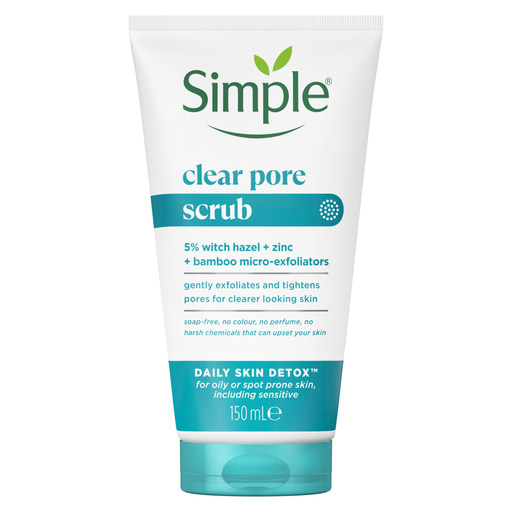
Why This Fits Their Persona: A practical option for shoppers starting a straightforward facial exfoliation routine and looking for a 150ml format.
Its directions advise use no more than 2–3 times weekly, helping users avoid treating a scrub as an unrestricted daily cleanser.
Contains bamboo micro-exfoliators, witch hazel, zinc PCA and niacinamide; the formula is listed as vegan-friendly and free from perfume.
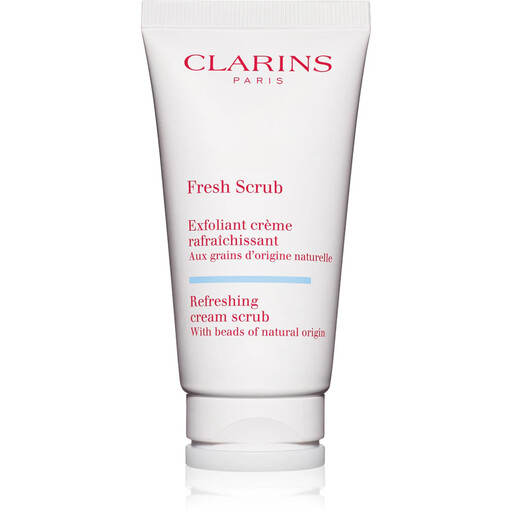
Why This Fits Their Persona: Suits shoppers who prefer a creamy facial formula with a smaller 50ml format for occasional use.
The product specifies natural-origin cellulose beads and recommends use 1–2 times per week rather than aggressive daily scrubbing.
Cream texture includes cellulose, glycerin, squalane and Kalanchoe Pinnata Leaf Extract; intended for normal to oily skin.
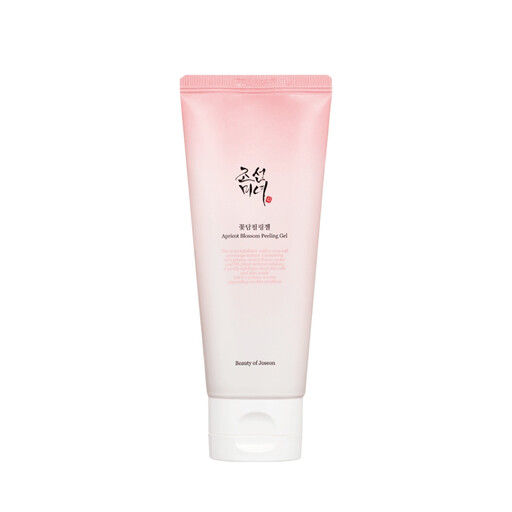
Why This Fits Their Persona: Appropriate for shoppers seeking a mild weekly peeling gel with a soft, rolling texture.
It uses plant-derived cellulose rather than harsh acids and gives clear guidance to massage for 1–2 minutes once or twice weekly.
Contains 8% plant-derived cellulose and 19% plum flower water; the listed formula excludes artificial fragrance, essential oils and sulphates.
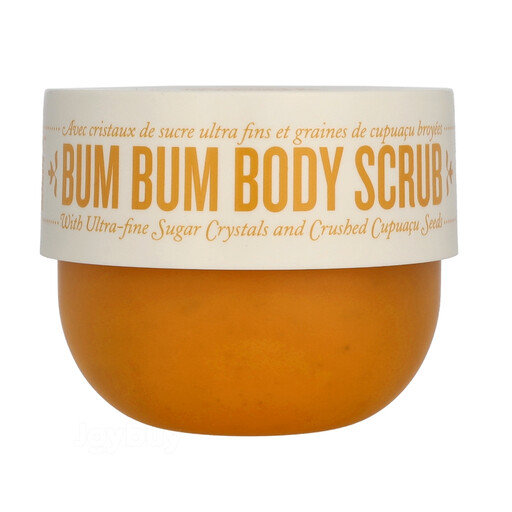
Why This Fits Their Persona: Designed for body-only use, making it suitable for shoppers who want a larger format for regular shower routines.
The packaging information clearly states that it is not intended for facial application, preventing an unsuitable face-and-body purchase.
The 220g formula contains sucrose, cupuaçu seed powder, coconut oil and guaraná extract; it is listed as vegan-friendly and paraben-free.
Many facial formulas are intended for one to three applications weekly, while some labels allow more frequent use. Follow the individual directions and reduce frequency if your skin feels tight or uncomfortable. Do not assume that a product described as a daily exfoliator must be used every day.
A blackhead scrub may remove some surface oil and build-up, but it cannot guarantee the removal or prevention of blackheads. Look for the intended skin type and ingredients such as silica or salicylic acid, and avoid scrubbing active breakouts. Persistent or inflamed blemishes may require advice from a qualified healthcare professional.
Applying moisturiser after rinsing can help leave skin feeling comfortable, especially after using a dead skin cell remover. Choose a lightweight, non-comedogenic product if your skin is oily, or a richer cream if it is dry. Keep the rest of the routine simple on exfoliation days.
We have compiled a complete, real-time list of products that fully satisfy these strict selection criteria and UK safety regulations.