
24/7 Customer Support

Free returns

Same-day & Next-day Delivery

Quality Guaranteed

Unlock Your Welcome Offers: FREE Delivery | Up to 80% OFF | Free 30-day JoyPlus trial
Download the APP
Dusting can feel like a never-ending chore, especially when it comes to those hard-to-reach places. Cobwebs gathering on high ceilings, dust settling on top of wardrobes and pet hair clinging to skirting boards can be a constant challenge. For many UK households, finding a tool that is both effective and versatile is key to maintaining a clean and comfortable home.
An extendable microfibre duster offers a practical solution, designed to trap dust rather than just move it around. This guide is here to help you understand what to look for in a long handle duster and to present a few recommended options that cater to different cleaning needs and preferences.
Before looking at specific products, it helps to know which features make the most difference. Consider these points to find a duster that will serve you well.
Reach and Stability: The primary benefit of an extendable duster is its reach. Look for a telescopic cleaning pole that extends to a suitable length for your home's high ceilings or tall furniture. Equally important is a secure locking mechanism that prevents the pole from retracting or wobbling during use, ensuring you can clean safely and effectively.
Duster Head Material and Design: Microfibre is a popular material for a reason. Its fine fibres create an electrostatic charge that attracts and holds onto dust, pollen and pet dander. This makes it an excellent choice for a duster for pet hair or a general anti-allergen duster. A washable duster head is also a significant advantage, offering a reusable and more sustainable option compared to disposable alternatives. Some heads are also flexible, allowing you to bend them to clean the tops of ceiling fan blades or picture frames.
Reusable vs. Disposable: Your choice between a reusable and a disposable duster often comes down to convenience versus long-term value. Washable microfibre heads can be used many times, reducing waste and ongoing costs. Disposable dusters, on the other hand, offer a quick, hygienic clean-up—simply use and toss the dirty head. Consider your cleaning frequency and environmental preferences when making a decision.
Here are a few options that address common dusting challenges, from high ceilings to delicate electronics.
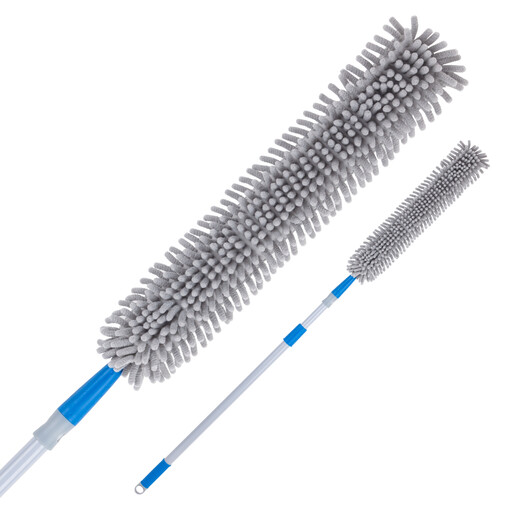
Why It Stands Out: This is a classic and practical tool for general household dusting. Its main strength lies in its combination of reach and reusability. The iron telescopic pole provides the necessary length for tackling high areas, while the large microfibre head covers a good amount of surface area with each pass.
Pros:
Who is it for? This is a great all-rounder for homeowners and renters who need a reliable tool for routine cleaning, especially those with high ceilings or who want to avoid the recurring cost of disposable dusters.
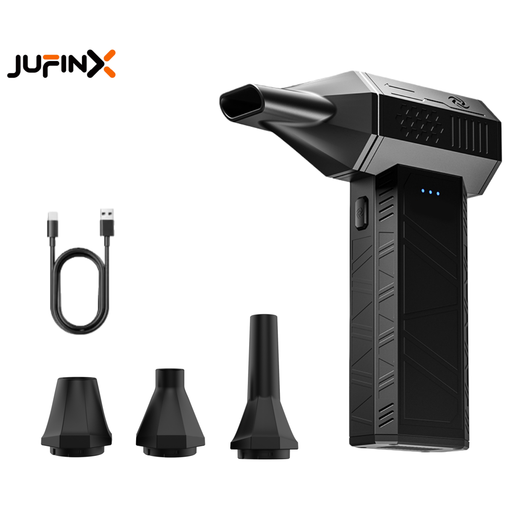
Why It Stands Out: This product offers a modern, high-tech alternative to traditional dusting. Instead of trapping dust with fibres, it uses a powerful, targeted jet of air to blow it away from delicate or intricate items. It’s a rechargeable, cordless device that replaces the need for canned air.
Pros:
Who is it for? Ideal for tech enthusiasts, car owners and anyone who frequently cleans electronics or intricate objects where a traditional duster might not be effective or could cause damage.
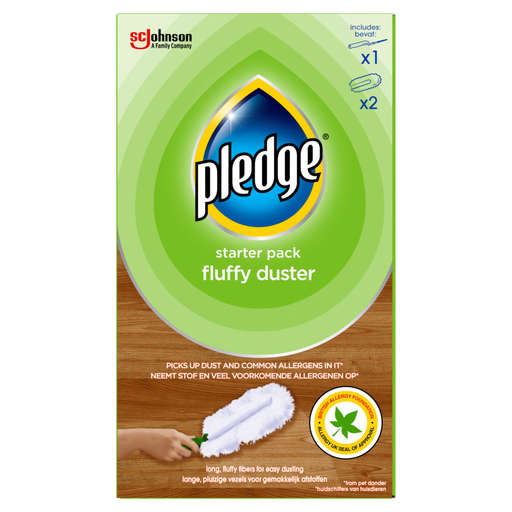
Why It Stands Out: This kit prioritises convenience and hygiene. The disposable heads are designed with long, fluffy fibres that trap dust, dirt and common allergens. Once the head is full, you simply throw it away and attach a new one.
Pros:
Who is it for? Those who value speed and convenience in their cleaning routine, or households where managing allergens is a top priority and a fresh, clean duster for each use is preferred.
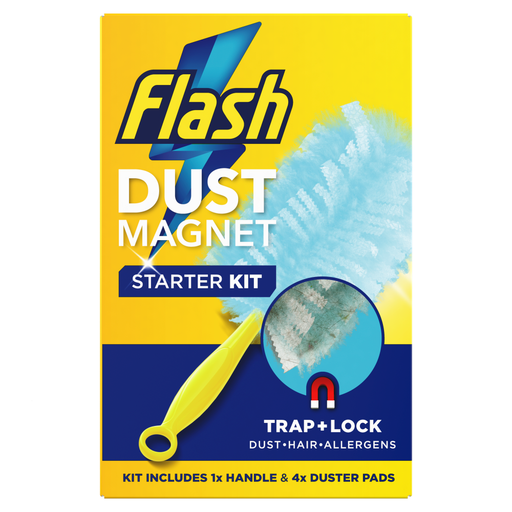
Why It Stands Out: Similar to the Pledge kit, this product focuses on the convenience of disposable refills. The "Dust Magnet" technology is designed to trap and lock in dust, preventing it from being redistributed into the air.
Pros:
Who is it for? A solid choice for anyone looking for a low-maintenance, disposable dusting system that is quick and effective for everyday cleaning tasks.
If these specific models don't quite match what you're looking for, or if you'd like to explore a wider variety of dusting tools, we have more options available.
? Browse our full collection of cleaning dusters to find the perfect fit for your home.
1. How do you clean a washable microfibre duster head? For best results, first, take the duster outside and shake it vigorously to remove loose dust and debris. Then, you can typically hand wash the head in warm water with a small amount of mild detergent. Avoid using fabric softener, as it can coat the fibres and reduce their electrostatic dust-attracting properties. Rinse thoroughly and allow it to air dry completely before reattaching it to the handle.
2. Are extendable dusters effective for cobwebs? Yes, an extendable duster, particularly a cobweb duster with a microfibre or specially designed bristled head, is very effective. The long pole allows you to reach high corners, ceiling cornices and light fixtures where cobwebs commonly form. The fibres are designed to grab onto the sticky webs and remove them cleanly.
3. How often should you dust to manage allergies? For households with allergy sufferers, dusting one to two times per week is generally recommended. Using a tool like an anti-allergen duster with microfibre can be particularly helpful, as it traps dust and pet dander instead of sending them airborne. Regular dusting helps reduce the concentration of allergens in the home, contributing to better indoor air quality.