For a recipe archive kept mainly at one desk, consider a portable hard drive, or a desktop drive if scans and other media will make the collection much larger. A portable SSD is worth considering when volunteers regularly carry the files between venues. Whichever drive the group chooses, check the computers it must work with and keep an independent backup; assess encryption and access controls if the archive includes personal information.
Who is using the archive?
The archive keeper
A coordinator maintaining recipe documents at one main computer needs a backup routine that can be repeated and enough space for planned scans and photos. The National Cyber Security Centre advises making copies of data an organisation needs to operate.
The travelling volunteer
A volunteer carrying files between meetings needs a drive that is convenient to transport, along with the right connections for the computers used at each venue. Any stated drop or water resistance applies to the particular model, not to portable drives generally.
The privacy-conscious organiser
If folders include member names, contact details or dietary information, the organiser needs to control who takes the drive and assess whether encryption is appropriate. The Information Commissioner's Office explains that full-disk encryption makes stored data harder to access without its password.
What matters when choosing a drive?
Portable hard drive
Choose when: One coordinator usually keeps the recipe archive but occasionally takes it to meetings.
Allow for: Careful handling during transport and a separate backup copy.
Portable SSD
Choose when: Volunteers regularly carry the archive between locations or move image-heavy files.
Allow for: Capacity needs and model-specific protection limits; an SSD is not a backup on its own.
Desktop hard drive
Choose when: The archive stays at a fixed desk and is expected to grow with scans, photos or video.
Allow for: A less portable setup and the power requirements of the particular drive.
| Concern | What to check | Who this matters to |
|---|
| Backup and recovery |
Agree who updates the archive, keep an independent copy elsewhere and test that a file can be restored. |
I need to recover the group's recipes if the working drive is lost or files are deleted. Around 33% of consumers put a dependable backup routine first. |
| Sharing between computers |
Check each computer's operating system and USB ports, the supplied cables, and the agreed file format before moving files. |
When several volunteers edit the archive, I need a handover that works on their computers without risking the files. Compatibility is the primary concern for around 25% of consumers. |
| Carrying the archive |
Decide how often the drive travels and check the specific model's stated protection limits. |
If I take recipes to meetings, I want the drive to be manageable in transit and protected against the handling it may encounter. Around 25% of consumers prioritise portability and resilience. |
| Privacy and access |
Review what personal information is stored, who may take the drive and whether appropriate encryption is available. |
If member details sit alongside recipes, I need to limit access if the drive goes missing. Privacy is the main purchasing concern for around 17% of consumers. |
Mistakes to avoid
-
Treating one drive as the entire backup plan
The National Cyber Security Centre advises keeping copies of important data and describes an approach with at least three copies, on two devices, with one offsite. A drive holding the only recipe archive leaves the group exposed if that drive is lost or fails.
Give someone responsibility for making and checking backups, and keep an independent copy in another safe place or service.
Recreating lost recipes and scans can take time if no recoverable copy exists.
-
Buying before checking contributors' computers
Volunteers may have different USB ports or operating systems. Apple Support warns that formatting a disk erases its files, so changing the format after adoption can put the archive at risk.
List the computers that will write to the drive, check the cables and adapters supplied, and agree on a file format before transferring the archive.
A missing adapter can prevent access at a meeting.
-
Assuming a password settles access control
Encryption can make data on a lost drive harder to access, as the Information Commissioner's Office explains, but it does not control what an authorised person does with an unlocked drive.
If the archive holds personal information, restrict who can take it, arrange secure password recovery and review access when volunteer roles change.
-
Choosing by advertised speed alone
A group moving mostly text documents may have different priorities from one regularly transporting a growing collection of scans and photos. Speed does not replace enough capacity, compatible connections or recoverable backups.
Start with the archive's present size, likely growth and travel routine, then assess the specifications of the drive under consideration.
Relevant brands to consider
Western Digital
Its My Passport Ultra portable hard-drive line is relevant to an archive that needs space for documents and growing media collections.
- Western Digital states that the My Passport Ultra line offers USB-C connectivity and capacities up to 6TB; check the capacity and connections of the exact variant.
- If password protection matters, confirm its availability on the chosen variant and keep a separate backup regardless.
Seagate
Its One Touch range includes external SSD and desktop-drive options for different archive locations and workflows.
- Seagate states that the One Touch external SSD offers capacities up to 2TB and transfer rates up to 1,030 MB/s; these are line specifications, not a prediction of copying time on the group's computers.
- Check the chosen desktop model's connection and power requirements rather than applying portable-drive specifications to it.
Samsung
The T7 Shield portable SSD is relevant when a volunteer frequently carries the archive.
- Samsung specifies water and dust resistance and 3 m drop resistance for the T7 Shield model.
- Those stated protections have model-specific limits and do not replace an independent copy of the files.
Kingston
The compact XS1000 portable SSD is relevant where contributors use computers with different USB connector types.
- Kingston specifies USB Type-C and Type-A connectivity for the XS1000 through its cable and adapter.
- Its stated 1TB and 2TB capacity options should be checked against the archive's expected growth.
Joybuy drive options
These portable hard drives, portable SSDs and desktop drive offer different ways to store the group's recipe archive. Match capacity, connections and portability to the group's workflow, then plan an independent backup.
 No image available
Western Digital My Passport Ultra for Mac 5TB, Silver
Consider this portable hard drive if one coordinator keeps the archive and occasionally takes it to meetings.
The named variant has 5TB capacity. Check its connections and file-format setup against every computer that will use the archive.
View on Joybuy
 No image available
Western Digital My Passport 2TB, Black
This portable hard drive is an option for a recipe archive kept mainly with one coordinator.
The named variant has 2TB capacity. Check that this allows for planned scans and photos, and confirm the connection needed at meeting venues.
View on Joybuy
 No image available
Samsung T7 Shield MU-PE1T0S 1TB, Black
Consider this portable SSD when volunteers regularly carry the archive between venues.
It has 1TB capacity and a USB Type-C 3.2 Gen 2 connection. Samsung specifies water and dust resistance and 3 m drop resistance for the T7 Shield; follow the model's exposure limits and keep another copy of the files.
View on Joybuy
 No image available
Samsung Portable SSD T7 4 TB, Grey
This portable SSD is an option if volunteers carry an archive that may grow with additional media.
It has 4 TB capacity and a USB Type-C 3.2 Gen 2 connection. Check the computers' ports and the protection specified for this T7 variant rather than assuming it has T7 Shield protection.
View on Joybuy
 No image available
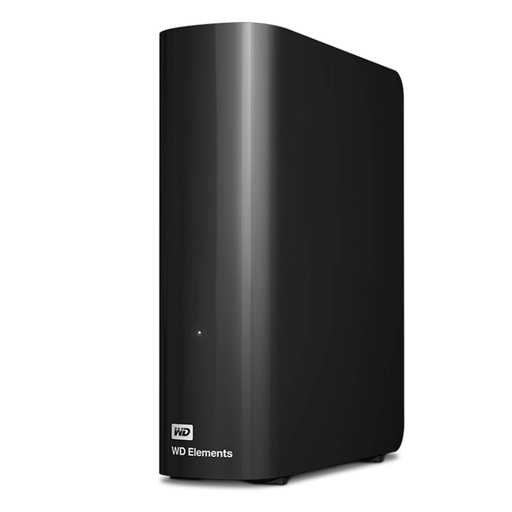
Western Digital Elements Desktop 10TB
Consider this desktop hard drive for an archive that stays at a fixed location and may grow substantially.
The named variant has 10TB capacity. Confirm its power, connection and file-format requirements for the group's computers before transferring files.
View on Joybuy
Common questions
Can the external drive hold the only copy of the group's recipes?
No: treat it as one part of the backup routine, not the sole copy. The National Cyber Security Centre describes keeping at least three copies on two devices, with one copy offsite, as a backup approach.
Does a recipe archive need encryption?
A recipe-only archive does not automatically call for the same controls as one containing member details. If it includes personal information, assess who can access the drive and whether encryption is appropriate; the Information Commissioner's Office explains that full-disk encryption makes stored data harder to access without a password.
What if contributors use both Macs and Windows PCs?
Check the chosen drive's connections and agree on a file format that works with the computers that will edit the archive. Make a separate copy before changing a drive's format: Apple Support warns that formatting erases its files.
What should the group do after buying the drive?
Assign someone to update the archive and its independent backup, then periodically check that a recipe file can be restored. Review who can take the drive when volunteer responsibilities change.


