What matters when choosing?
Decide whether the drive will mainly travel and be copied repeatedly or hold an archive, then check the recipient's setup and the sensitivity of the files before preparing the final handover.
Portable SSD
Consider it when: you will carry the drive to meetings or make repeated copies of the handover.
Bear in mind: Samsung and Crucial qualify their stated transfer speeds by the host and connection; a durability rating is not a substitute for careful handling and a separate copy.
Portable hard drive
Consider it when: the handover is chiefly an archive that will be copied and then stored.
Bear in mind: Seagate's cited Expansion range uses a USB Type-A cable, so a client with USB-C-only ports may need an adapter.
| Concern |
What to check |
Who this matters to |
| Protecting sensitive files |
Establish what the files contain. If encryption is appropriate, check how the client will open them and receive the password or key separately. |
If client or personal information is included, I need to protect the files without locking out their intended recipient. Around 44% of consumers put secure, workable access first. |
| Portable, repeated transfers |
Confirm the ports on both computers and the connection required for any claimed transfer speed. |
When I take files to a meeting and copy them more than once, connection and carrying conditions shape my choice; around 33% of consumers primarily need a practical mobile transfer. |
| Archive space and access |
Measure the complete handover folder, including supporting files, and test its format on a compatible computer. |
If I am delivering a sizeable archive, I need room for the finished package and confidence that the client can open it. For around 23% of consumers, archive capacity and straightforward access are the main concern. |
Portable SSDs for the handover
These portable SSDs are options to consider when carrying the recipe-document handover or copying it between computers. Check the finished folder size, the client's connection and file access before choosing a particular drive.
 No image available
Samsung T7 Portable SSD 2 TB, Blue
Consider this portable SSD if the finished handover needs 2 TB of stated capacity and will move between computers.
The product name specifies USB Type-C and USB 3.2 Gen 2. Confirm the client's connection and plan a separate, accessible copy of the files.
View on Joybuy
 No image available
Samsung T7 Shield Portable SSD 1 TB, Blue
Consider this model for a 1 TB handover drive that will be carried to meetings.
The product name specifies USB 3.2 Gen 2. Check the recipient's connection before copying the final files; a stated durability rating does not replace careful handling or a separate backup.
View on Joybuy
 No image available
Samsung MU-PG1T0B Portable SSD 1 TB, Black
Consider this 1 TB portable SSD if you expect to make repeated copies of the handover.
The product name specifies USB Type-C and USB 3.2 Gen 2x2. Confirm that the computers used for copying and receipt have suitable connections before relying on a stated transfer rate.
View on Joybuy
 No image available
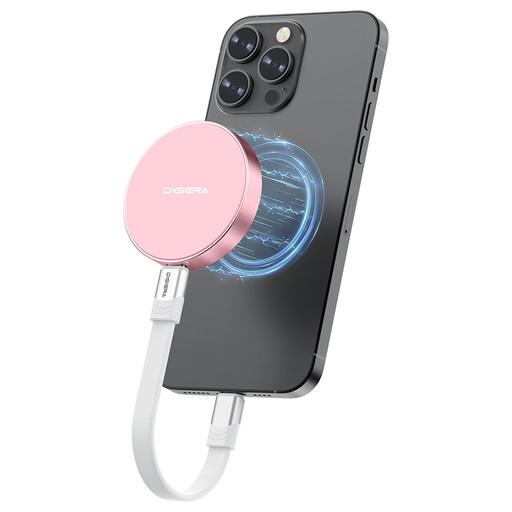
DigiEra LPS2000M-3 Magnetic Portable SSD 1TB, Pink
Consider this portable 1TB option for a handover involving USB-C devices.
The product name specifies USB 3.2 Gen 2x2. If the files are sensitive, establish a workable encryption and client-access process before putting them on the drive.
View on Joybuy
 No image available
SanDisk Portable SSD 2TB
Consider this portable SSD if the completed recipe archive calls for 2TB of stated capacity.
Before purchase, confirm the connection fits the client's computer. If files need protection, agree how they will be secured and opened by the recipient.
View on Joybuy
Frequently asked questions
Should the handover drive be my only copy?
No. Keep a separate copy and check that it contains the important recipe documents until the handover and agreed acceptance process are complete. The National Cyber Security Centre advises disconnecting removable backup media when it is not in use.
Should I encrypt the recipe documents?
Consider encryption when the files contain personal information or otherwise need protection against unauthorised access. The Information Commissioner's Office identifies encryption as a safeguard for stored personal information; if you use it, make sure the client can open the files and receives the password or key separately.
How can I avoid giving the client a drive they cannot open?
Confirm the client's computer ports and operating system, then test files from the prepared drive on a compatible machine. Seagate says hardware and operating-system compatibility can vary for its cited portable hard drive; Crucial warns that reformatting a drive erases its existing data.
What should I check just before handing over the drive?
Open representative folders and files from the drive, check that the expected handover is complete and test access to any protected material with the agreed method. The National Cyber Security Centre advises checking that a backup contains the important data.
What if I later dispose of a drive used for sensitive client files?
Use an appropriate sanitisation process before a drive containing sensitive business information leaves organisational control. The National Cyber Security Centre gives this advice for storage media being disposed of, resold or reassigned.


