Choose a portable SSD if contributors regularly move or work on large files from the drive and their computers support its connection mode. For an archive or separate local copy, consider a higher-capacity portable hard drive when frequent fast transfers matter less. Either choice needs enough room for growing files, a format that suits the group’s computers and a separate backup plan.
Who needs which approach?
Active design-file contributors
Members who carry project folders between meetings or work with large assets from the drive can consider a portable SSD. Check that the computers and cables they regularly use support the drive’s stated connection mode.
Archive and backup custodians
Whoever retains completed artwork, source files and a recoverable second copy needs to plan for growing folders and retained versions, then establish who maintains the backup.
Mixed Mac and Windows groups
Contributors sharing one drive across macOS and Windows need a suitable file format. A format chosen for exchanging files may not suit either system’s built-in backup tool.
What should the group check?
Portable SSD
Choose when: contributors frequently transfer large folders or work from the drive between meetings.
Trade-off: advertised maximum speeds depend on the computer’s USB mode and a suitable cable, so a faster-rated SSD may not speed up every hand-off.
Portable hard drive
Choose when: the main task is keeping a sizeable local archive or another copy of completed work.
Trade-off: capacity takes priority over the SSD transfer specifications relevant to frequent work on active files.
| Concern | What to check | Who this matters to |
|---|
| Active-file transfers |
Compare the drive’s USB mode with the computers’ ports and the cable used; decide whether members will copy files or work from the drive. |
If I move large project folders often, waiting for each hand-off disrupts the work; around 31% of consumers would put active-file transfers first. |
| Mac and Windows hand-offs |
Check the drive’s file format and whether it will also serve Time Machine or File History. Seagate advises against exFAT for those backup tools. |
When contributors use both Macs and Windows PCs, I need files to open after the drive changes hands; cross-device exchange is the main concern for around 31% of consumers. |
| Archive capacity |
Measure the current library, then allow for incoming projects and retained versions. Seagate notes that an operating system may report less capacity than the decimal figure on a drive’s label. |
I keep finished artwork and source files, so the archive needs room to grow; roughly 23% of consumers would make capacity their primary concern. |
| Protection and continuity |
Decide who manages access if personal data is stored, and keep another copy separate from the hand-off drive. |
If a drive goes missing or fails, I still need the group’s files and controlled access to personal information; protecting that continuity comes first for about 15% of consumers. |
Buying pitfalls
-
Judging speed by the USB-C plug
The connector shape does not establish the computer’s USB performance mode. Samsung’s stated T7 Shield maximum requires USB 3.2 Gen 2 support from the host and cable, plus UASP; SanDisk specifies USB 3.2 Gen 2x2 for the Extreme PRO Portable SSD.
Check the ports on the computers that will use the drive most often before choosing a speed tier.
-
Using one file format for every job
Seagate recommends exFAT for sharing a drive between Macs and Windows PCs, but not for Time Machine or File History. Because exFAT is not journaled, improper disconnection also raises the risk of corruption.
Choose the format for the drive’s actual job, safely eject it before hand-offs and consider a separate drive or suitable native format for system backups.
-
Confusing a protected drive with a backup
Resistance to drops, dust or water and password features address particular risks; none restores a lost sole copy. Samsung cautions that the T7 Shield’s resistance can vary outside test conditions.
Assign someone to maintain a separate copy and check that the group can restore files from it.
-
Buying exactly the capacity used today
New projects and retained versions take space, while Seagate notes that an operating system may report a lower capacity than the decimal figure on a drive’s label.
Measure the existing folders and allow room for expected additions before choosing a capacity.
Brands to consider for these drive types
Samsung
Its T7 Shield portable SSD line is relevant when contributors want a compact drive for active-file hand-offs and value stated resistance features.
- Samsung UK specifies USB 3.2 Gen 2, up to 1,050 MB/s read and 1,000 MB/s write, and IP65 testing for the T7 Shield.
- The stated transfer speeds require a compatible host, cable and UASP. Samsung says resistance can vary in use and that liquid or dust damage is not covered by its warranty.
SanDisk
Its Extreme PRO Portable SSD line is an option for teams checking whether their computers support USB 3.2 Gen 2x2.
- SanDisk UK lists capacities from 1 TB to 4 TB and an up-to-2,000 MB/s transfer specification for the Extreme PRO Portable SSD.
- That maximum is tied to USB 3.2 Gen 2x2; a USB-C-shaped port alone does not establish support for the mode.
Seagate
Its Expansion Portable hard-drive range is relevant to a capacity-led archive or separate local copy.
- Seagate lists an Expansion Portable version with up to 5 TB of storage and USB 3.0 connectivity.
- Seagate recommends exFAT for Mac and Windows file exchange, but not for Time Machine or File History; plan the format around the drive’s intended use.
Joybuy product choices
These choices include portable SSDs for active-file hand-offs and a portable hard drive for a capacity-led local archive. Check each capacity against the group’s growing library, and keep a separate copy whichever drive you choose.
 No image available
Samsung Portable SSD T7 4 TB, grey
Consider this portable SSD when contributors need to carry a sizeable working library between computers.
The title specifies 4 TB and USB 3.2 Gen 2. Check the computers’ connection modes and the space needed for growing projects and retained versions.
View on Joybuy
 No image available
Samsung T7 Shield Portable SSD 1 TB, blue
Consider this SSD for active-file hand-offs when a 1 TB drive has enough room for the folders the group will carry.
The title specifies USB 3.2 Gen 2. Check the computers’ ports and the file format needed for hand-offs between systems.
View on Joybuy
 No image available
Lexar ES4 Portable SSD with Magnetic Set, 2 TB
This portable SSD is a choice for contributors moving active project files when 2 TB fits the folders they share.
The title specifies USB 3.2 Gen 2 and up to 1,050 MB/s read and 1,000 MB/s write; actual transfer speeds depend on compatible connections. Confirm the format needed by the group’s computers.
View on Joybuy
 No image available
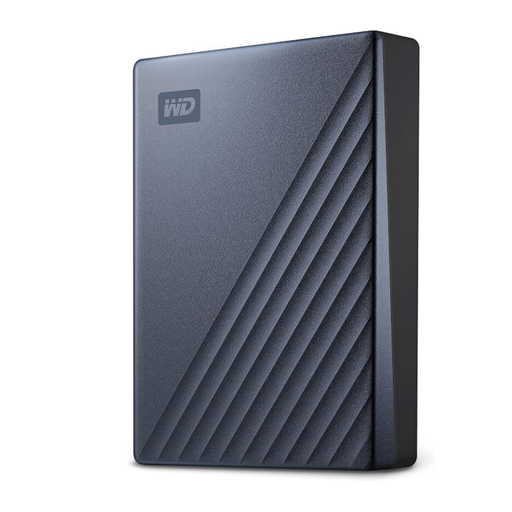
Western Digital My Passport Ultra portable hard drive, 5 TB, blue
Consider this portable hard drive for a local archive or separate copy when capacity takes priority over frequent work from the drive.
The title specifies 5 TB. Decide whether the group needs Mac and Windows file exchange or a dedicated system-backup format before loading its files.
View on Joybuy
 No image available
SANDISK Extreme 2 TB Portable SSD for PlayStation 5 and PC
This portable SSD is worth checking for computer-based file hand-offs if its 2 TB capacity suits the group’s working folders.
The title identifies PC use alongside PlayStation 5 use. Confirm the intended computers, file format and any access-control features needed for the group’s files.
View on Joybuy
Common questions
Should our group choose an SSD or a hard drive for large design files?
Choose a portable SSD for frequent transfers or work on active files if the regular computers support its connection mode. A portable hard drive suits a larger local archive or separate copy when frequent fast transfers are less important; Seagate lists an Expansion Portable version with up to 5 TB of storage.
Can contributors use the same drive with Macs and Windows PCs?
Yes, exFAT is an option for exchanging files between modern macOS and Windows computers. Seagate does not recommend it for Time Machine or File History, so decide whether the drive is for hand-offs or system backups, and safely eject it before disconnecting it.
What if the drive contains member details or identifiable images?
Assess access to the files and whether encryption is appropriate for the personal information stored. The UK Information Commissioner’s Office explains that encryption can protect stored personal information against unauthorised access if a device is lost or stolen; the group also needs a way to manage and recover its password.
Can the external drive hold the group’s only copy?
Do not rely on one portable drive as the only protection for important project files. Seagate describes local and cloud backup targets as potentially complementary; assign responsibility for a separate copy and check that files can be restored from it.


