Volunteer archive custodians
If you keep the main collection in one location, allow room for new footage and plan a separately stored backup. The National Cyber Security Centre advises against leaving backup storage connected when it is not in use.


Choose a desktop hard drive for a growing archive kept mainly in one place, or a portable drive for an authorised working copy that needs to travel. Whichever drive the group uses, keep a separate backup, disconnect that backup when it is not in use, and check capacity, computer compatibility and access controls before moving the collection.
If you keep the main collection in one location, allow room for new footage and plan a separately stored backup. The National Cyber Security Centre advises against leaving backup storage connected when it is not in use.
If selected films travel between venues or digitisation sessions, a portable working copy may be more practical than moving the main archive. Check its capacity, cable and compatibility with the computers at each location.
If recordings identify members, guests or children, decide who can access each copy and how the group will manage passwords or recovery information. The Information Commissioner's Office describes encryption as a measure to consider according to the circumstances and risks, not a substitute for managing access.
Decide where the main archive will live before choosing a drive to carry between venues. A desktop drive, portable hard drive and portable SSD can each serve a different part of that plan; none replaces a separate backup.
Choose it when: the collection stays mainly in one place and the group needs capacity for existing films and planned additions.
Allow for: a fixed location and mains power rather than convenient travel between venues.
Choose it when: an authorised volunteer needs to carry a working copy and the selected films fit on the drive.
Allow for: the risk of losing or damaging a drive in transit; keep the main archive and backup elsewhere.
Choose it when: a compact travelling working copy is the priority and the required files fit on the exact model.
Allow for: checking its capacity and connections rather than assuming it can hold the growing master archive.
| Concern | What to check | Who this matters to |
|---|---|---|
| Keeping a recoverable copy | Plan a separate backup destination and agree who will copy files, check them and disconnect the backup afterwards. | If the films cannot be recreated, I need a copy I can recover even if the everyday drive fails or is lost. Roughly 36% of consumers put preservation first. |
| Room to grow | Measure the collection, include planned digitisation and decide whether originals and edited films both need space. | As our collection grows, I want space for incoming footage without moving the archive again soon. Around 29% of consumers make capacity growth their primary concern. |
| Shared access | Check each computer's operating system and ports, then agree the file format and who may access the files. | When several volunteers handle the films, I need them to open the right files without connector or formatting surprises. Shared access comes first for roughly 21% of consumers. |
| Taking films to venues | Check that a portable drive holds the selected films and has a suitable connection for the computers used away from the archive. | For a screening, I need to carry an authorised copy without taking the only archive copy with me. Portability is the leading need for around 14% of consumers. |
Failure, loss or malware affecting a connected drive could remove the group's only accessible copy. The National Cyber Security Centre warns that connected backup drives can also be affected by ransomware.
Keep a separately stored backup and disconnect it when copying is finished.
Allow time to make backups and check that files can be restored.
New digitisation work and retained originals can increase the collection. A portable working-copy drive may not be the right size for the long-term master archive.
Measure the current files, decide what the group will retain and leave room for expected additions before selecting a capacity.
Running out of space can mean moving the archive to another drive sooner than planned.
A matching plug does not settle file-system compatibility. Toshiba says its Canvio Ready is formatted NTFS for Windows and needs reformatting for full Mac compatibility.
List the computers and ports volunteers use, then agree a file format before loading the master collection.
Reformatting may require moving existing files elsewhere first; different ports may also call for another cable or adapter.
Encryption may help protect recordings on a lost drive, but it can also block authorised access if the group loses its password or recovery information. The Information Commissioner's Office calls for security measures suited to the risk.
Decide who may access the archive and keep recovery information securely under the group's control.
A volunteer's departure should not leave the group unable to open its files.
Seagate offers desktop and portable drive ranges relevant to a fixed archive or a travelling copy.
Toshiba's Canvio portable ranges are relevant when volunteers need to carry selected films.
Western Digital's My Book desktop range is relevant to groups considering a fixed-location archive.
These drives cover portable working copies and a desktop option for keeping the main collection in one place. Check the size of the group's files before choosing a capacity, and plan a separately stored backup whichever drive you select.
 No image available
Consider this portable SSD for a travelling copy if the selected films fit within 4 TB. Its title specifies USB Type-C 3.2 Gen 2; check the computers and cables the group will use.
Keep the master archive and a separate backup elsewhere.
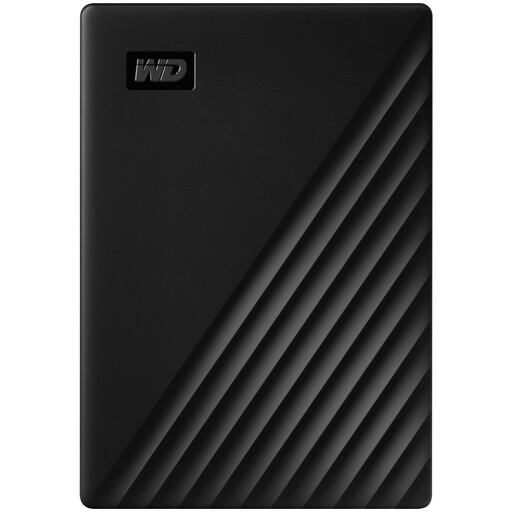 No image available
This 4TB portable hard drive is an option for an authorised working copy that travels between locations. Confirm the file-system and driver requirements on the group's Mac and Windows computers before transferring files.
Do not use the travelling copy as the collection's only home.
 No image available
This 5TB portable hard drive may suit a larger travelling selection of films. For a group using both Mac and Windows, confirm the exact file-system and driver workflow before loading it.
Check the applicable warranty for this variant and maintain a separate backup.
 No image available
This 4TB portable hard drive is another option for carrying a working copy. Its title specifies USB3.0; check the required cable, computer compatibility and file format before moving the group's films.
If the group needs drive encryption, confirm the features of this exact variant. Keep another copy separately.
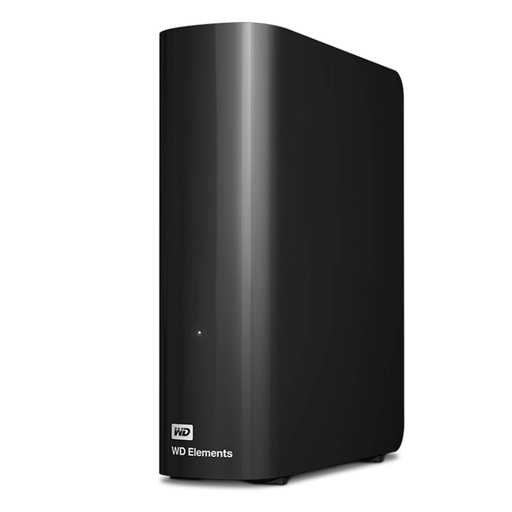 No image available
Consider this 10TB desktop hard drive when the main collection stays in a fixed location. Allow for mains power, check whether 10TB accommodates the files and planned additions, and confirm the file format needed by the group's computers.
It remains one storage location, so keep a separate backup.
No, not if it would hold the only copy of films the group cannot recreate. The National Cyber Security Centre advises keeping backups secure and disconnecting a backup device when it is not in use; assign someone to make the copies and check that files can be opened.
A desktop hard drive suits a mainly fixed archive when its capacity and mains-power requirement fit the group's plan; a portable hard drive suits a copy that must travel. Seagate UK lists Expansion Desktop models from 4 TB to 30 TB and One Touch portable hard drives up to 5 TB, so choose by the required capacity of the exact model rather than the range name.
Check the exact drive's file format, operating-system requirements and cable before relying on it across both. Toshiba says Canvio Ready is formatted NTFS for Windows and requires reformatting for full Mac compatibility; agree a format before storing the group's only working files on any new drive.
Encryption is a measure to assess, not an automatic requirement for every home-movie collection. Where a UK community group processes personal information in identifiable recordings, the Information Commissioner's Office says security measures must be appropriate to the circumstances and risk; consider who can access the files, what could happen if a drive is lost and how recovery information will be kept.
Assign a custodian, agree how films are named and added, and routinely copy new material to the separate backup. Check that representative files open and that a file can be restored, then disconnect and secure the backup; the National Cyber Security Centre warns that connected backup devices can be affected by malware.