Small-desk home archivists
You want family films close at hand without leaving a large enclosure and its power adapter on a compact workspace. Portable storage is the more relevant format when clear desk space is the priority.


A portable HDD suits a small desk when home movies are mainly stored and watched occasionally, while a portable SSD is worth considering if you regularly move large video files. A mains-powered desktop HDD is another route when archive capacity matters more than keeping the workspace clear. Whichever you choose, check the computer connection and plan a separate backup for videos you cannot replace.
You want family films close at hand without leaving a large enclosure and its power adapter on a compact workspace. Portable storage is the more relevant format when clear desk space is the priority.
You regularly move large clips between devices or work with files on the external drive. The computer port, cable and source device matter alongside the drive: Seagate notes that transfers run at the speed of the slowest device or bus.
You are storing videos that would be difficult to replace. The National Cyber Security Centre advises keeping important data in a separate safe location, so the new drive needs to fit into a backup routine rather than become the only copy.
Start with how the drive will be used: occasional storage, frequent transfers or a large archive that will stay in one place. Then check what its connection and physical setup will require on your desk.
Choose when: You mainly store and occasionally watch home movies, and want to avoid a separate desktop-drive power adapter.
Consider: The supplied cable may not fit your computer; Seagate’s One Touch HDD manual specifies a Micro-B-to-USB-A cable.
Choose when: You frequently transfer large video files or want a compact drive that is easy to move.
Consider: Listed maximum speeds depend on the computer and connection; a faster drive alone cannot remove a slower system bottleneck.
Choose when: A large movie archive will remain in one place and capacity takes priority over free desk space.
Consider: A mains-powered model needs room for its enclosure and access to a socket; Seagate’s Expansion Desktop range uses a power adapter.
| Concern | What to check | Who this matters to |
|---|---|---|
| Desk space and power | Check whether the drive needs mains power, and measure the space available for its enclosure and cables. | If my desk barely accommodates the computer, I want storage that can be moved away without leaving another adapter in place. Around 30% of consumers put desk footprint and power first. |
| Archive capacity | Measure the current movie collection and compare capacity variants with room for future recordings. | As family films accumulate, I want enough space to keep the collection manageable, even if the drive stays on the desk. Capacity is the main concern for around 30% of consumers. |
| Transfer speed | Check the computer’s USB specification, connector and cable before relying on a drive’s listed maximum speed. | When I regularly move large video files, waiting for copies matters more than simply storing them. Around 20% of consumers make transfer speed their primary concern. |
| Backup and recovery | Plan an independent second copy and check that you can restore files from it. | For irreplaceable family videos, I need a way to recover them if one drive or connected device is affected. Protecting those copies comes first for around 20% of consumers. |
An SSD’s listed maximum does not describe every computer setup. Seagate explains that the slowest device or bus limits a transfer.
Check the computer’s USB version, connector and cable, along with any conditions attached to the drive’s speed claim.
A drive can be lost or damaged, while a connected backup can be affected alongside the original files. The National Cyber Security Centre recommends a separate backup and advises keeping at least one copy offline or disconnected.
Keep an independent copy of important films and check that you can restore them before relying on the arrangement.
Seagate’s Expansion Desktop range requires a power adapter, so its setup has different space and socket demands from a portable drive.
Measure the intended desk position and check for a nearby mains socket before choosing a stationary model.
Western Digital says My Passport drives ship as NTFS and need reformatting for macOS. Reformatting a drive holding the sole movie collection puts those files at risk.
Decide which computers must use the archive before copying it, and retain another copy before changing a drive’s format.
Its portable T7 Shield SSD is relevant when compact storage and frequent large-file transfers matter.
Its One Touch portable HDD and Expansion Desktop ranges illustrate different ways to balance a small workspace against archive capacity.
Its My Passport portable HDD range is relevant to compact movie storage where computer compatibility needs checking.
These portable SSDs, portable HDDs and desktop HDD show the storage formats discussed above. Compare the stated capacity and connection with your computer, desk space and backup plan before choosing.
 No image available
Consider this portable SSD if you regularly move home-movie files and want storage that need not remain on the desk.
Its title specifies 2 TB and USB 3.2 Gen 2. Check the computer’s USB capability and the cable used before choosing it for transfer speed.
Keep an independent copy of films you cannot replace.
 No image available
Consider this portable HDD when space for a growing movie collection matters but a desktop enclosure would crowd the workspace.
Its title specifies 4 TB and USB 3.0. Check the intended computer connection and file-system workflow before moving the archive.
 No image available
Consider this portable HDD for a movie collection you want to store away from a crowded desk.
Its title specifies 2 TB. Western Digital says My Passport drives ship as NTFS and need reformatting for macOS; confirm the exact model’s file-system and cable requirements before copying videos.
 No image available
Consider this portable SSD if you move home-movie files regularly and want to store the drive off the desk between uses.
Its title specifies 2 TB. Confirm the connector, supplied cable and file-system compatibility for your computer before buying.
 No image available
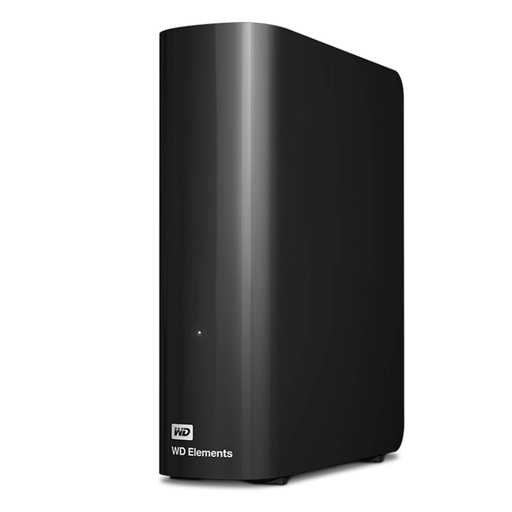
Consider this desktop HDD if your movie archive needs substantial capacity and the drive can stay in one place.
Its title specifies 10 TB. Allow room for a desktop enclosure and check access to a mains socket and the file-system requirements of the computers you will use.
No. Seagate says a transfer is limited by the slowest device or bus, so the connector shape alone does not establish the speed. Samsung’s stated T7 Shield maximums require a suitable USB 3.2 Gen 2 host, cable and UASP support; check your computer’s specifications before choosing a drive for those figures.
Yes, if you have a compatible connection, but check the particular drive and cable first. Seagate’s One Touch HDD manual specifies a supplied Micro-B-to-USB-A cable; a USB-C-only laptop needs a compatible Micro-B-to-USB-C cable, and Seagate specifies USB 3.0 or higher support for that connection.
Decide which computers need to use the drive before moving the films. Western Digital says My Passport drives ship as NTFS and need reformatting for macOS; because formatting can erase files, keep another copy before making a change.
No. The National Cyber Security Centre describes a backup as a separate copy kept in a safe location and advises keeping at least one backup offline or disconnected when it is not in use. Keep an independent copy of irreplaceable films and check that you can restore it.