What matters when choosing?
For shared-studio spreadsheet records, decide how the drive will be used, then make sure the backup routine keeps a recoverable copy apart from the working computer.
| Concern |
What to check |
Who this matters to |
| Recoverability |
Set a repeatable backup routine, keep a separate copy and test a restore. |
If I lose the working computer, I need a recent spreadsheet copy I can actually open. Around 42% of consumers would put recoverability first. |
| Portability and workstation use |
Check each computer’s ports and the drive’s cable and setup requirements; plan access protection if it leaves the studio. |
Moving between studio computers makes carrying the backup and connecting it without disruption important to me; roughly 33% of consumers would make this their primary concern. |
| Archive capacity at one desk |
Count the folders and versions to retain, then check the exact drive’s capacity, power and computer requirements. |
I keep older versions and related records at a fixed desk, so space for the archive matters most. About 25% of consumers would prioritise that need. |
Joybuy product choices
These choices include drives to carry between workstations and a desktop drive for a fixed archive. Match capacity and computer setup to the studio’s records, then use the chosen drive as part of a backup routine you can restore from.
 No image available
Samsung T7 Shield Portable SSD 1 TB, Blue
Consider this portable SSD if the backup must move between studio workstations.
The title specifies 1 TB and USB 3.2 Gen 2. Confirm the exact variant and each workstation’s port and cable setup before relying on model-specific features or transfer figures.
View on Joybuy
 No image available
Western Digital My Passport Portable Hard Drive 2 TB, Black
This portable hard drive is another option when staff need to carry a backup between locations.
Its stated capacity is 2 TB. Check the required setup on every intended workstation, particularly if the studio uses macOS.
View on Joybuy
 No image available
Samsung Portable SSD T7 4 TB, Grey
Consider this portable drive when the studio needs to carry a larger collection of backup files.
The title specifies 4 TB, USB Type-C and USB 3.2 Gen 2. Check file-system setup across the intended computers, especially where macOS is used.
View on Joybuy
 No image available
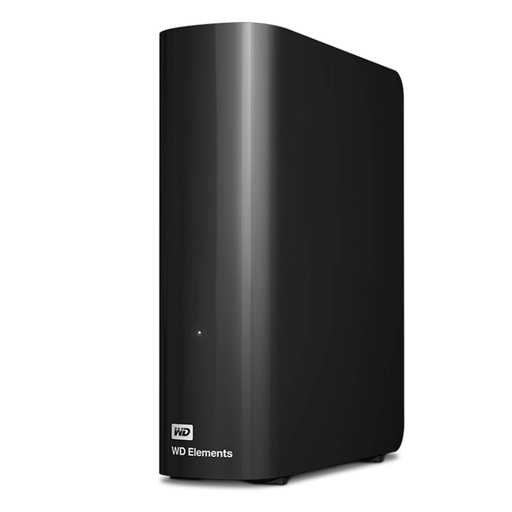
Western Digital Elements Desktop Hard Drive 10 TB
This desktop drive suits a backup archive kept at a fixed studio desk rather than carried routinely.
Its stated capacity is 10 TB. Check its power and computer setup, including any macOS formatting requirements, and keep a recovery copy elsewhere.
View on Joybuy
 No image available
Lexar ES5 Portable SSD 1 TB
This is a portable storage option to assess if a drive will move between studio computers.
The title lists USB 3.2 Gen 2x2, IP65 and up to 2,000 MB/s read and write speeds; expected performance depends on compatible host support. Check how the studio will back up spreadsheets and protect access to sensitive records.
View on Joybuy
Common questions
Is one external drive enough for important studio records?
Do not make one drive the studio’s only recovery plan. The National Cyber Security Centre advises keeping a storage-device backup secure and disconnected when it is not in use, and describes using both online and storage-device backups so another copy remains if one is lost, stolen or fails.
Should the studio encrypt its backup drive?
Consider encryption when the spreadsheets contain personal data, particularly if the drive travels or could be misplaced. The Information Commissioner’s Office calls for security measures appropriate to the risk; decide who can access the drive and how passwords or recovery keys will be kept before choosing a setup.
Will a portable SSD reach its stated speed on every workstation?
No stated maximum should be assumed across all the studio’s computers. For the cited T7 Shield model, Samsung says its maximum figures require USB 3.2 Gen 2 support, a compatible cable and UASP, so check the workstations where backups and restores will take place.
How can we tell whether a spreadsheet backup will restore?
Periodically restore a suitable spreadsheet copy to a separate location and check that it opens and contains the expected data. The Information Commissioner’s Office says appropriate security measures must enable timely restoration after an incident; a successful file transfer alone does not establish that the studio can recover the records it needs.


