What matters when choosing?
Start with the space the recordings and project files will need, then decide where a separate backup will live. Check the devices and the school’s storage rules before paying attention to a drive’s peak-speed or protective claims.
| Concern |
What to check |
Who this matters to |
| Recoverability |
Decide where you will keep a separate, restorable copy and how you will check it. |
If losing the drive would disrupt the project, I need a copy I can restore from elsewhere. Around 40% of consumers put recoverability first. |
| Archive capacity |
Add up current recordings, expected additions and project exports; allow space for the files you plan to retain. |
When recordings and edited files are accumulating, I need enough room for the archive I intend to keep. Capacity is the primary concern for around 30% of consumers. |
| Personal-information protection |
Confirm permission to use portable storage and the school’s encryption, access and recovery process. |
If recordings identify students or staff, I need to keep them accessible only through the approved process. Around 20% of consumers prioritise that protection. |
| Connections and portability |
Check the ports on the devices you will use, the supplied cables and the host requirements for advertised speeds. |
Moving the archive between devices means I need a drive I can connect where I work. For around 10% of consumers, that is the deciding concern. |
Joybuy external SSD options
These portable SSDs offer different stated capacities and connection types for a lecture-recording archive. Compare each one with your planned files, the devices you use and the school’s storage rules; whichever drive you choose, keep another recoverable copy elsewhere.
 No image available
Samsung Portable SSD T7 4 TB, Grey
Consider this capacity if your recording archive and planned additions call for a 4 TB drive; calculate the space you need before deciding. The listed interface is USB Type-C 3.2 Gen 2, so check the computer’s port specification before relying on peak-speed claims.
View on Joybuy
 No image available
Samsung Portable SSD T7 2 TB, Grey
This 2 TB variant is an option when your current recordings and planned project files fit within that capacity. It lists a USB Type-C 3.2 Gen 2 interface; check your devices and their ports, as the connector alone does not establish transfer speed.
View on Joybuy
 No image available
Samsung T7 Shield MU-PE1T0S 1TB, Black
This 1TB model is worth considering when you carry the archive regularly and its capacity fits your retention plan. Samsung specifies an IP65 rating and a 3-metre drop-test condition for the T7 Shield, but excludes liquid, dust and drop damage from warranty cover. Check the computer’s USB 3.2 Gen 2 capability if transfer speed matters.
View on Joybuy
 No image available
Lexar ES4 Magnetic Set Portable SSD 2TB
This 2TB option may suit an archive moved between compatible devices. Its title specifies USB 3.2 Gen 2 and a Magnetic Set; check the ports on the devices you will actually use. If recordings identify people, confirm that any password software and access process meet the school’s requirements before storing them.
View on Joybuy
 No image available
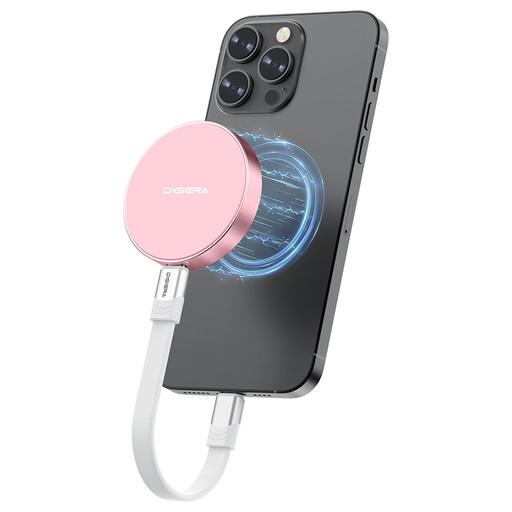
DigiEra LPS2000M-3 Magnetic Portable SSD 1TB, Pink
This 1TB USB-C model is an option if the planned archive fits and your devices can connect to it. The title specifies USB 3.2 Gen 2×2; check whether the computer supports that interface before treating its stated maximum speed as useful. For identifiable recordings, confirm the exact model’s protection options and the school’s approved process.
View on Joybuy
Frequently asked questions
Is one external SSD enough to back up lecture recordings?
No: if the SSD holds the only remaining copy, losing access to it could mean losing the archive. The National Cyber Security Centre defines a backup as a copy kept in a separate safe location, so maintain another copy you can restore.
Will a USB-C SSD reach its advertised transfer speed?
Not necessarily: USB-C identifies the connector, while transfer speed also depends on the connection. Samsung says maximum T7 and T7 Shield speeds require a USB 3.2 Gen 2-capable host and cable with UASP enabled; check the devices you will use.
Can I put recordings of identifiable students or staff on a portable SSD?
Use portable storage only if the school authorises it, and follow its access, encryption and retention requirements. The Information Commissioner’s Office identifies encryption as protection for stored personal information, particularly if a device is lost or stolen; the school’s process determines how that protection should be applied.
What if I forget an SSD’s encryption password?
Recovery depends on the product and its access process, so do not assume the recordings can be retrieved. Crucial says a lost password set through its supported hardware-encryption utility cannot recover the data, and wiping the drive to reuse it erases its contents.
Does a rugged SSD warranty cover drops and spills?
Not automatically: check the exact model’s warranty rather than treating a protective rating as cover for damage. Samsung states that liquid, dust and drop damage are excluded from T7 Shield warranty cover despite its IP65 rating and drop-test claim.


