Capacity-first project archivists
If completed projects stay at one desk and need substantial storage, compare powered desktop HDDs first. Leave space for the enclosure, its power supply and cables.


Choose a desktop HDD if archive capacity matters most and you have room for its mains adapter. A portable HDD is easier to put away, while a portable SSD is worth considering when you repeatedly transfer or reopen large projects and your computer supports its connection. Check capacity, ports, cables and file-system needs before buying, and keep another copy of the archive.
If completed projects stay at one desk and need substantial storage, compare powered desktop HDDs first. Leave space for the enclosure, its power supply and cables.
If you need to put the archive away or move between workspaces, a portable HDD or SSD is more practical to investigate than a desktop enclosure that stays connected to mains power.
If you regularly copy or reopen large video projects, consider a portable SSD. Samsung’s stated T7 transfer speeds depend on a suitable host port, cable and connection mode, so check the whole setup rather than the drive alone.
Choose it when: A larger, mostly stationary project archive takes priority and the desk has room for mains power.
Allow for: A separate power adapter, an enclosure that stays on the desk and a cable route to the computer.
Choose it when: You want archive storage that can be moved or put away without a separate mains adapter.
Allow for: Less listed capacity than the cited desktop HDD range and slower transfers through older USB connections.
Choose it when: Repeatedly copying or retrieving large projects matters more than maximising capacity in one drive.
Allow for: Model-specific capacity and transfer speeds that depend on the computer, cable and connection.
| Concern | What to check | Who this matters to |
|---|---|---|
| Archive capacity | Compare your current project library and expected growth with listed capacity; check the enclosure and power-adapter space too. Seagate notes that a drive labelled 1TB may appear as about 931GB in an operating system because capacity is reported differently. | If I keep a growing back catalogue at one desk, I want enough room before adding another drive. Around 42% of consumers put archive capacity first. |
| Large-file transfers | Check the computer’s USB port, the cable and any hub against the drive’s stated transfer conditions. Samsung says the T7’s maximum speeds require USB 3.2 Gen 2 and UASP support. | When I repeatedly copy projects back to my computer, transfer time affects my workflow. Fast retrieval is the primary need for around 33% of consumers. |
| Desk space and connections | Measure where the drive will sit or be stored, and check USB-A or USB-C connections and the file systems your computers need. | I need to clear my small desk or use the archive with a laptop, so a drive I can connect and put away matters most. Around 25% of consumers prioritise that compact workflow. |
A drive can be lost or damaged. The Northern Ireland Cyber Security Centre advises keeping at least three copies across two devices, with one copy offline.
Use the archive drive as one copy in a separate backup plan. Disconnect a backup drive when it is not in use and practise restoring files.
Losing the sole copy can mean losing projects and spending time attempting recovery.
Samsung’s maximum T7 speeds require a suitable USB 3.2 Gen 2 host and cable with UASP enabled. Seagate also notes reduced portable-drive performance over USB 2.0 connections and some hubs.
Check the computer port and supplied cable before buying. For transfers where speed matters, check whether you can connect the drive directly rather than through an older hub.
A powered desktop HDD needs a place for its enclosure, adapter and cables even when the drive itself fits on the desk.
Measure the available space, check socket access and confirm whether your computer needs a different cable or adapter.
Apple states that erasing and reformatting a storage device deletes its contents.
Choose the file system your workflow needs before loading the archive. If you must reformat a drive that already holds projects, make and verify another copy first.
Its Basic portable HDD and Expansion Desktop lines illustrate the choice between a drive you can put away and a powered drive for a fixed archive position.
Its T7 portable SSD is relevant when a compact drive will be used for frequent project transfers.
Its X10 portable SSD range is relevant to buyers comparing compact storage and stated resistance to dust, water and drops.
These choices cover a portable HDD you can put away, portable SSDs for frequent project transfers and a powered desktop HDD for a fixed archive position. Compare their listed capacities with your project library before deciding.
 No image available
Consider this portable HDD if you need to move your video archive or put the drive away after use.
Check whether 5TB leaves room for future projects and whether the cable and file-system setup suit your computer. Keep another copy of important files.
 No image available
Consider this portable SSD if you frequently copy or reopen large projects and 2 TB provides enough archive space.
Samsung’s stated maximum T7 speeds require a USB 3.2 Gen 2-capable host and cable with UASP enabled. Check your connection and keep a separate backup copy.
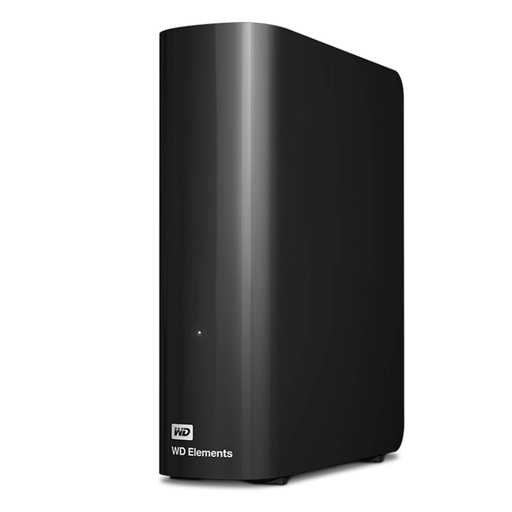 No image available
Consider this desktop HDD for a larger video-project archive that will remain at one desk.
Plan space and a socket for its AC adapter. Check the file-system setup before storing projects, particularly if you use a Mac, and maintain another copy.
 No image available
Consider this portable SSD if you need an archive drive that can be moved or put away and 2TB meets your capacity needs.
Confirm its USB connector, supplied cable and interface against your computer before buying. Keep a separate copy of the archive.
Choose by how often you need the projects: compare powered desktop HDDs for a large archive kept at one desk, or portable SSDs for frequent large-file transfers. Seagate lists higher capacities for its cited Expansion Desktop range than for its cited portable Basic model; Samsung’s maximum T7 speeds apply only with the required host, cable and connection mode.
No: keep other copies of video projects rather than relying on a single external drive. The Northern Ireland Cyber Security Centre advises at least three copies on two devices, with one kept offline; check periodically that you can restore the files.
Check the software that will use the archive before choosing a shared-drive format. Apple identifies ExFAT for Windows volumes over 32GB, but recommends APFS for external storage used with Final Cut Pro, Motion and Compressor on a Mac. Copy existing files elsewhere before reformatting: Apple warns that erasing a drive deletes its contents.
Check the terms for the exact drive model and capacity, including where it must be purchased and when cover ends. Do not assume that every drive from a brand has the same warranty.
Protect the project data before handing over the old drive, then ask the retailer about its electrical-equipment take-back route. GOV.UK guidance describes same-type take-back duties for qualifying retailers when a customer buys a new electrical item; confirm how the retailer handles your return.