
24/7 Customer Support

Free returns

Same-day & Next-day Delivery

Quality Guaranteed

Unlock Your Welcome Offers: FREE Delivery | Up to 80% OFF | Free 30-day JoyPlus trial
Download the APP
Navigating the supermarket aisle for extra virgin olive oil can feel overwhelming. With labels boasting terms like "first cold press," "unfiltered" and "hand-picked," it's easy to feel lost in the marketing jargon. Many UK households end up with a bottle that doesn't live up to its price tag, either lacking in flavour or degrading quickly. As your Joybuy Product Recommendation Officer, my role is to help you sidestep these common issues and choose an oil that genuinely suits your kitchen needs.
Before you spend another pound, let's look at the most common purchasing pitfalls and how to avoid them.
To ensure you're getting a quality product, focus on these three key parameters. They cut through the marketing jargon and tell you what you really need to know.
For an oil to be classified as extra virgin, it must be extracted by mechanical means (without chemicals or excessive heat) and have a free acidity level of no more than 0.8%. A lower acidity generally indicates healthier olives and more careful processing. Beyond this, polyphenols are natural antioxidant compounds that give a good olive oil its characteristic peppery or slightly bitter notes. A high polyphenol olive oil not only offers a more robust flavour but is also sought after for its contribution to protecting blood lipids from oxidative stress. A peppery kick at the back of your throat is often a good sign.
To avoid the "vague origin" trap, look for official certifications on the label.
These labels are your assurance that you're buying a genuine Italian extra virgin olive oil or a product from another specific locale, not an anonymous blend.
The term cold pressed olive oil (or more accurately, "cold-extracted") means the oil was not heated above 27°C during processing. This gentle method is crucial for preserving the delicate flavours, aromas and nutritional compounds. While "first press" is a term you'll often see, modern centrifugation methods have made it largely redundant. Today, "cold-extracted" is the key indicator of a superior category oil.
Instead of a single "best" oil, the right choice depends on your specific needs. Here are our recommendations matched to different UK households.
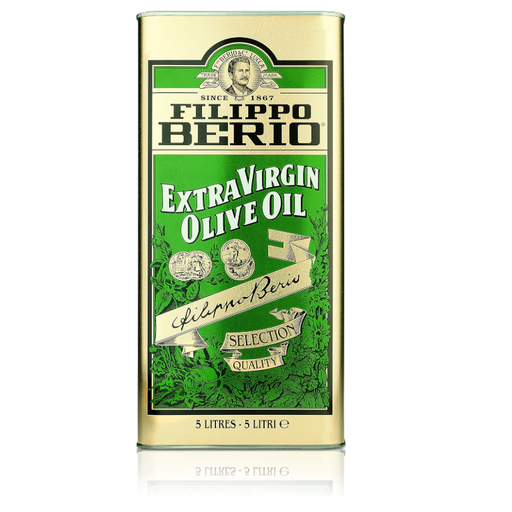
Why This Fits Their Persona: For busy family kitchens or anyone who uses olive oil daily, this large 5-litre tin offers excellent value and convenience. It's a reliable, all-purpose oil for dressings, marinades and everyday cooking.
The large metal tin provides complete protection from light, preventing the oil from degrading and ensuring it stays fresher for longer than a product in a clear bottle.
Cost-effective bulk size. The Filippo Berio olive oil brand is known for its consistent, versatile flavour profile suitable for a wide range of dishes.
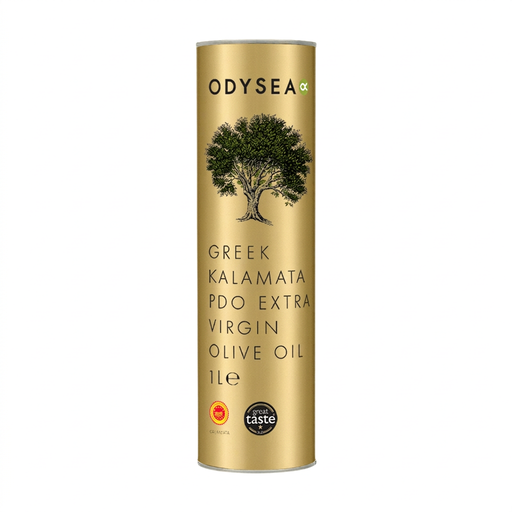
Why This Fits Their Persona: Perfect for those who appreciate a robust, characterful oil. This is an ideal dipping olive oil for bread or a bold finishing oil to drizzle over grilled fish, salads and roasted vegetables.
The PDO Kalamata status is a legally protected guarantee of origin and quality, ensuring you're getting authentic Greek olive oil made from Koroneiki olives, not a generic blend.
Distinctive, full-bodied herbaceous flavour with a pleasant peppery aftertaste. The generous 1-litre olive oil tin offers great value for a PDO-certified product.
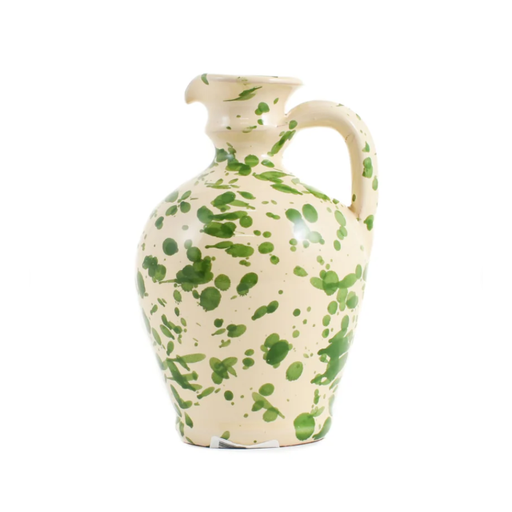
Why This Fits Their Persona: This is for someone who sees kitchen staples as part of their home decor. The beautiful, hand-decorated ceramic bottle makes a stunning statement on the countertop and an excellent gift for a food lover.
The opaque ceramic is not just for looks; it provides superior protection from light, perfectly avoiding the "clear bottle" trap and preserving the oil's quality and flavour.
A unique, reusable artisan bottle. The medium-fruity Italian extra virgin olive oil from Puglia is perfect for dressing salads and burrata.
We have compiled a complete, real-time list of products that fully satisfy these strict selection criteria and UK safety regulations.
Yes, you can. The idea that you can't is a common misconception. A good quality extra virgin olive oil has a smoke point of around 190-210°C, which is well within the range for most home cooking methods like sautéing, roasting and light frying. However, for very high-heat cooking like deep-frying, a more refined oil with a higher smoke point is a better choice. Using EVOO for cooking will impart some of its flavour to the food.
While you can use the same oil for both, the terms refer to the intended use. A finishing oil is typically a higher-quality, more flavourful oil that you drizzle over a dish just before serving to add aroma and taste—think of the Puglian or high polyphenol olive oil. A cooking oil is more of a functional workhorse. Many people keep a large, cost-effective bottle like the Filippo Berio olive oil for general cooking and a smaller, more flavourful bottle for finishing.
Once you open a bottle, its three enemies are oxygen, light and heat. Always store your oil in a cool, dark place (like a cupboard, not next to the hob) and ensure the cap is tightly sealed. For the best flavour, it's recommended to use the oil within 3 to 6 months of opening. This is why buying a size that matches your consumption rate is important.