
24/7 Customer Support

Free returns

Same-day & Next-day Delivery

Quality Guaranteed

Unlock Your Welcome Offers: FREE Delivery | Up to 80% OFF | Free 30-day JoyPlus trial
Download the APP
Navigating the supermarket aisle to buy olive oil online or in-store can feel unnecessarily complicated. With terms like "cold pressed," "first press" and a vast price range, it is easy to feel uncertain. Many of us have bought a promising bottle only to be disappointed by a flat flavour or, worse, realised we have been using a premium finishing oil for everyday frying.
As a Joybuy Product Recommendation Officer, my role is to help you sidestep these common issues. Here are the key pitfalls to be aware of when selecting an extra virgin olive oil.
To ensure you get a quality product that suits your needs, focus on these three core parameters.
The term cold pressed olive oil (or "cold-extracted") is a crucial indicator of quality. It means the olives were crushed and pressed to extract the oil without the use of additional heat or chemicals. This mechanical process, kept below a specific temperature (around 27°C), is vital for preserving the oil's delicate flavours, aromas and natural compounds, such as polyphenols. Oils extracted using heat can have a higher yield but often at the expense of flavour and nutritional integrity.
When you see PDO (Protected Designation of Origin) or PGI (Protected Geographical Indication) on a label, it is a mark of authenticity.
These certifications provide assurance that you are getting a product with a genuine connection to a specific place, known for its unique olive varietals and production heritage.
Polyphenols are naturally occurring antioxidant compounds found in olives. They are responsible for the characteristic peppery kick or slightly bitter finish you might notice in high-quality extra virgin olive oil. This is not a flaw; it is a sign of freshness and a high concentration of these beneficial compounds. Some producers even create high polyphenol olive oil by using specific olive types and an early harvest. When choosing an oil, a pleasant peppery or grassy note is often a good indicator of quality.
Based on these quality markers, here are a few recommendations tailored to different needs and preferences.
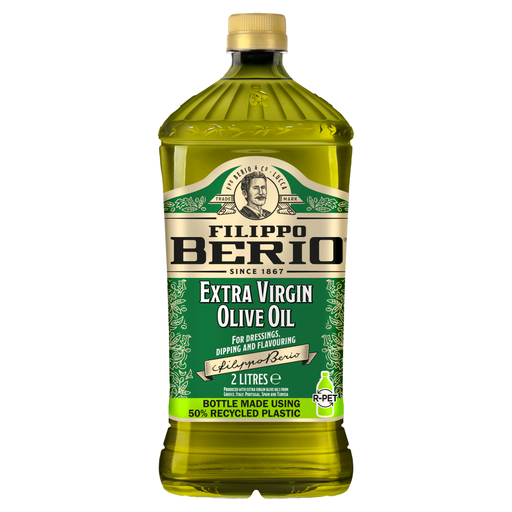
Why This Fits Their Persona: This is a practical choice for families or anyone who uses olive oil frequently. The large format offers good value, making it a reliable pantry staple for everything from making a salad dressing oil to drizzling over pasta and vegetables. It's a classic, balanced oil that works for most daily culinary tasks.
The large, opaque PET bottle protects the oil from light degradation. Its accessible price point makes it a sensible choice for everyday cooking, avoiding the pitfall of wasting a more expensive, delicate oil on heat.
Excellent value in a bulk olive oil size. A versatile, all-purpose oil from a well-established brand, Filippo Berio olive oil, known for its consistent quality.
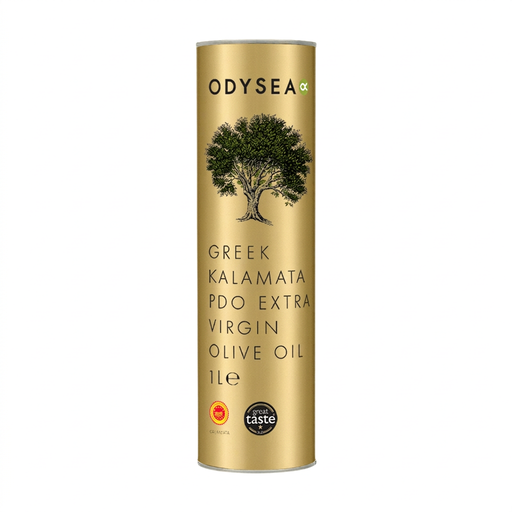
Why This Fits Their Persona: For those who appreciate the nuances of flavour, this oil delivers. Its robust, herbaceous character and peppery finish make it an ideal finishing oil for drizzling over grilled fish, roasted vegetables or simply for dipping with fresh bread. The flavour is the star here.
The PDO Kalamata status provides a guarantee of origin and quality, cutting through the "Extra Virgin" mirage. You know you are getting an authentic product from a region acclaimed for its superior oil.
Protected Designation of Origin ensures authenticity. It has a full-bodied, grassy flavour with a pleasant peppery aftertaste, characteristic of high-quality Koroneiki olives.
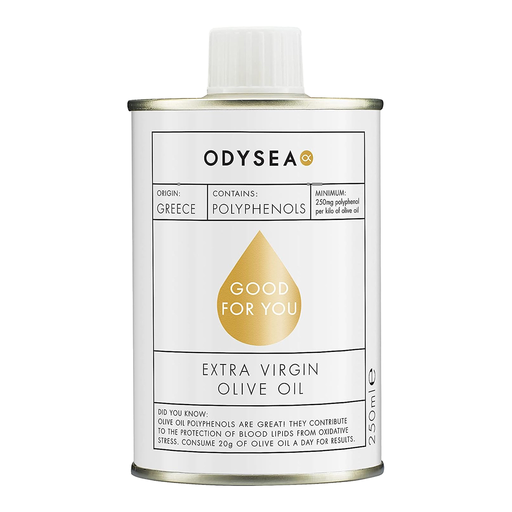
Why This Fits Their Persona: This oil is for those who choose olive oil specifically for its wellness properties. It is produced to have a high concentration of polyphenols, the antioxidants that contribute to the protection of blood lipids from oxidative stress. It is designed to be taken daily, drizzled raw over food.
It moves beyond vague health marketing by providing a quantifiable measure: a guaranteed minimum of 250mg of polyphenols per kilo of oil. This provides a clear, objective reason for its selection.
Guaranteed high polyphenol olive oil content. It also carries a Great Taste Award, confirming that its health focus does not compromise on its vibrant, grassy and peppery flavour.
We have compiled a complete, real-time list of products that fully satisfy these strict selection criteria and UK safety regulations.
Yes, you can. This is a common misconception. Quality extra virgin olive oil has a smoke point of around 190-210°C, which is well above the temperature needed for most home cooking, including pan-frying and roasting. However, very high heat can diminish its delicate flavours, which is why for deep-frying, a more neutral oil is often preferred, and for finishing, it is best used raw.
To preserve its quality, store your olive oil in a cool, dark place, like a pantry or cupboard, away from the oven and direct sunlight. Always ensure the cap is screwed on tightly after use to minimise exposure to oxygen. There is no need to refrigerate it; this can cause it to solidify and does not extend its life.
In most cases, yes. That peppery sensation at the back of your throat is caused by oleocanthal, a specific polyphenol with natural anti-inflammatory properties. A fresh, high-quality extra virgin olive oil made from early-harvest olives will typically have this characteristic, along with some bitterness and fruitiness. A complete lack of these notes can indicate an older or lower-quality oil.