
24/7 Customer Support

Free returns

Same-day & Next-day Delivery

Quality Guaranteed

Unlock Your Welcome Offers: FREE Delivery | Up to 80% OFF | Free 30-day JoyPlus trial
Download the APP
Buying extra virgin olive oil should be straightforward, yet labels, origin claims and oversized packaging can make comparison surprisingly difficult. UK households may be choosing between a 500ml bottle for occasional salads, a 1 litre olive oil format for regular cooking or bulk olive oil for a restaurant or catering kitchen.
The right choice depends less on impressive wording and more on freshness, storage, intended use and value per millilitre. This guide explains the practical details to check before you buy extra virgin olive oil, followed by recommendations matched to different shopping needs.
Italian olive oil, Greek olive oil and other Mediterranean olive oil products can have distinctive flavour profiles, but country of origin alone does not determine quality. Oils may be single-origin, regional or blended from olives grown in several European or Mediterranean locations.
Look for clear information about the oil’s origin, ingredients and production method. A regional designation such as Kalamata PDO provides more specific provenance information, while a European blend may offer a milder, more consistent everyday flavour.
Cold-pressed olive oil is produced without excessive heat, helping retain the oil’s natural aroma and flavour. However, the phrase should not distract from more important checks such as the best-before date, packaging and storage instructions.
Extra virgin olive oil should be obtained directly from olives and solely by mechanical means. “Cold extracted” or “cold pressed” can be useful indicators, but neither guarantees that you will enjoy a particular flavour style.
A 2 litre or 5 litre container may reduce the cost per millilitre, but olive oil gradually loses aroma after opening because of exposure to oxygen, light and heat. Bulk olive oil makes sense for busy households, restaurants and caterers with high turnover. For occasional use, a 250ml or 500ml olive oil bottle may help you use the product while its flavour is still fresh.
Check that the label states extra virgin olive oil and that the ingredient list contains only olive oil. Avoid confusing it with olive oil blends, pomace oil or products simply labelled “olive oil”, which may have different production characteristics.
Extra virgin olive oil is suitable for many applications, including gentle cooking, dressings and finishing. It is naturally high in fat and energy, so nutrition information should be considered as part of normal portion planning rather than treated as a health endorsement.
Some products provide acidity information, while others do not. Under the recognised standard for extra virgin olive oil, free acidity must not exceed 0.8%. A lower stated acidity can be a useful data point, but it does not independently describe freshness, aroma or personal taste preference.
Also check the harvest or best-before information where available. A recently produced bottle is generally more useful for uncooked applications, where the flavour is easier to notice.
Dark glass, tins and opaque containers help limit exposure to light. Clear bottles can still be practical if stored in a dark cupboard, but the oil should not be left beside a cooker, radiator or sunny window.
Choose the format according to your routine:
Cloudiness below around 7–10°C can occur naturally and does not necessarily indicate spoilage. Store the bottle in a cool, dry, dark place, keep the cap tightly closed and do not refrigerate it.
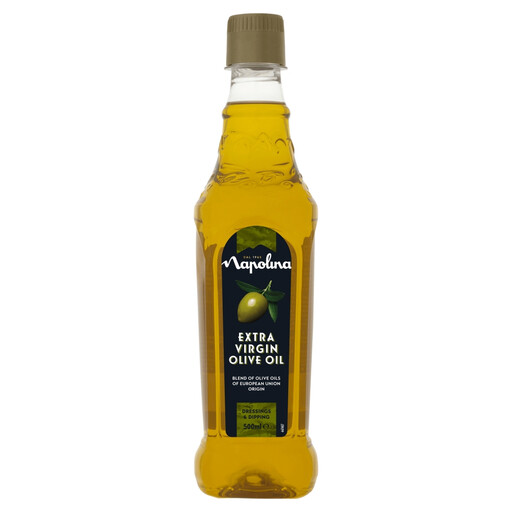
Why This Fits Their Persona: A manageable 500ml format suits shoppers trying extra virgin olive oil for salads, bread dipping, marinades and occasional gentle sautéing without committing to a large container.
The European Union origin is stated clearly, while the modest bottle size helps reduce prolonged storage after opening.
500ml quantity; suitable for dressings, dipping, drizzling and light sautéing.
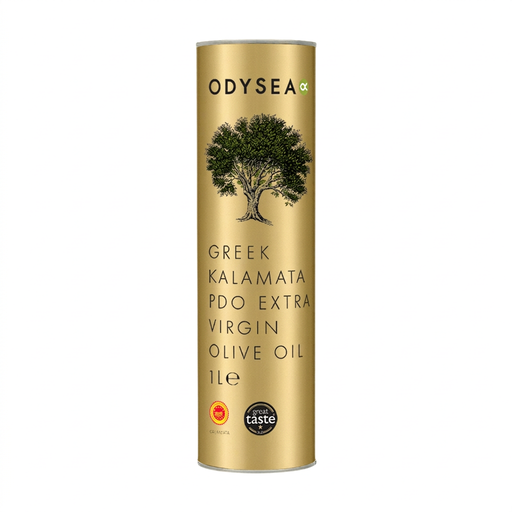
Why This Fits Their Persona: Suitable for Mediterranean food enthusiasts who want a clearly specified Greek origin and a more pronounced profile for salads, grilled fish, vegetables and dipping.
The PDO designation identifies the Kalamata region, while the product information names Koroneiki olives and mechanical extraction.
1 litre format; medium fruitiness with herbaceous and peppery notes.
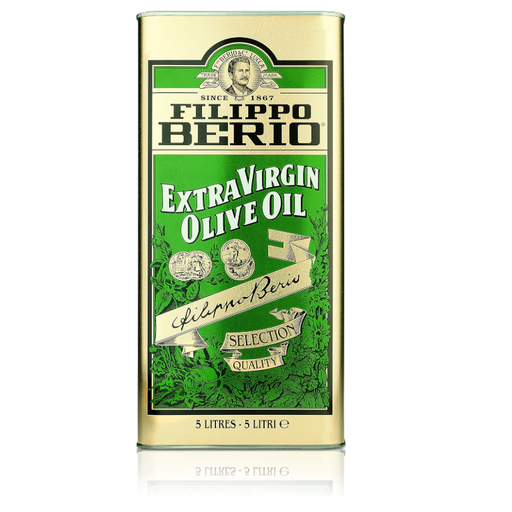
Why This Fits Their Persona: The 5 litre format is designed for restaurants, caterers, foodservice buyers and large households that use olive oil regularly across cooking and finishing.
Its large capacity is appropriate where turnover is high, reducing the risk of storing an opened bottle for too long.
5 litre catering format; suitable for roasting, marinades, dressings and everyday kitchen use.
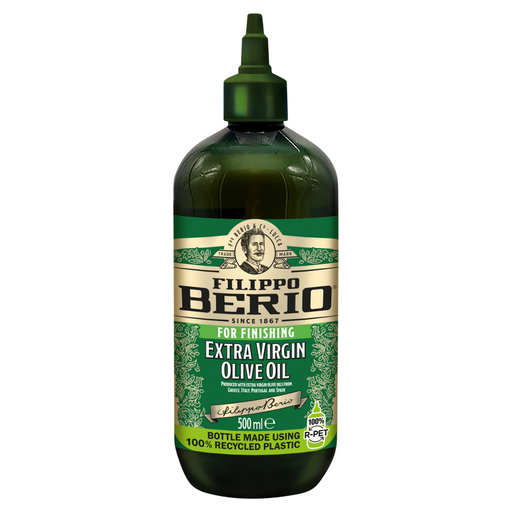
Why This Fits Their Persona: A squeezable bottle with a precision nozzle suits cooks who want controlled portions for salads, pasta, marinades and finishing.
The nozzle addresses over-pouring, while the 500ml quantity avoids the commitment of a large catering container.
Precision squeeze format; suitable for hot and cold culinary applications.
We have compiled a complete, real-time list of products that fully satisfy these strict selection criteria and UK safety regulations.
Yes, it can be used for everyday cooking, including gentle sautéing, roasting and marinades. Delicate or strongly flavoured oils are often used raw as an olive oil for salads, dipping oil or olive oil drizzle, so their aroma is easier to appreciate. Always follow the product’s stated usage and avoid overheating or burning the oil.
Storage conditions and the original best-before date matter. Keep it tightly sealed in a cool, dark cupboard and use it within a reasonable period after opening. Frequent users may prefer a 1 litre bottle, while occasional users may find 250ml or 500ml more practical.
It depends on how you use it. A more distinctive Italian, Greek or regional oil may be worthwhile for dipping and finishing dishes, where flavour is central. For frying, roasting or recipes with strong ingredients, a straightforward everyday bottle may offer more practical value. Compare the price per 100ml, packaging and intended use rather than relying on promotional wording alone.