
24/7 Customer Support

Free returns

Same-day & Next-day Delivery

Quality Guaranteed

Unlock Your Welcome Offers: FREE Delivery | Up to 80% OFF | Free 30-day JoyPlus trial
Download the APP
Choosing extra virgin olive oil is not simply a matter of picking the most attractive label. UK shoppers often compare origin, bottle size, flavour and price, yet important details can be easy to overlook. The right oil for salad dressing may not be the most practical option for batch cooking, while a large bottle can represent poor value if it sits open in a warm cupboard for too long.
This guide explains what to check before you buy extra virgin olive oil and matches different formats to everyday UK cooking habits.
Words such as “Italian”, “Greek” or “Mediterranean” can influence expectations, but origin alone does not tell you how the oil will taste or how it should be used. Check the full description and label for the oil’s origin, olive variety where provided, flavour profile and intended use.
For example, Italian extra virgin olive oil may have a gentle, fruity character, while Greek Kalamata olive oil made from Koroneiki olives can offer more noticeable herbaceous and peppery notes. Neither style is automatically suitable for every dish.
Extra virgin olive oil is suitable for many everyday cooking methods, but delicate oils are often chosen for finishing rather than prolonged high-temperature cooking. If you mainly roast, sauté or prepare large family meals, look for a versatile oil and follow the instructions on the packaging.
For salad dressing, dipping and drizzling, flavour is usually more important than heat performance. For cooking olive oil, a balanced profile that will not overpower other ingredients may be more practical.
A 5-litre or bulk olive oil container can suit restaurants, caterers and large households, but it needs careful storage and regular use. Repeated exposure to air, light and heat can affect flavour over time. Smaller bottles, such as olive oil 500ml, are often easier to finish while the oil remains fresh-tasting.
A squeeze bottle or olive oil spray can also help control portions and reduce spills, although each format should be stored away from heat and direct sunlight.
Under the extra virgin category, the oil is obtained directly from olives using mechanical or physical means rather than chemical refining. Labels may also use terms such as cold-pressed olive oil or cold-extracted. These descriptions relate to the production method, but they do not guarantee that every bottle will have the same flavour.
Look for clear ingredient information, such as “100% extra virgin olive oil”. Flavoured products should list additional ingredients. For example, chilli oil may contain extra virgin olive oil together with natural chilli flavouring.
Choose the flavour strength according to how you intend to use the oil:
A protected designation, such as PDO, can indicate a defined geographical production area and specification. Odysea’s Kalamata oil, for instance, is described as PDO and made from Koroneiki olives grown and pressed in the Kalamata region.
Consider how quickly your household will use the oil. A 250ml or 500ml bottle is practical for occasional use, while 750ml or 1-litre formats may suit regular cooks. Large PET containers can be efficient for foodservice, provided they are kept tightly sealed.
Store extra virgin olive oil in a cool, dark cupboard, away from ovens, hobs and direct sunlight. Cloudiness at lower temperatures can occur naturally and should clear when the oil returns to room temperature. Always check the packaging for the best-before date and storage instructions.
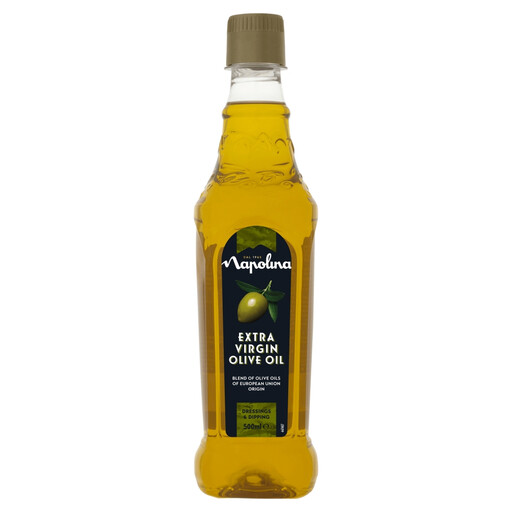
Why This Fits Their Persona: A manageable 500ml format for shoppers trying extra virgin olive oil for salads, marinades, bread dipping and occasional gentle cooking.
The moderate size helps avoid leaving a large bottle open for too long, while the label identifies it as extra virgin olive oil of European Union origin.
500ml quantity; suitable for dressings, dipping, drizzling and gentle heating; screw-top bottle.
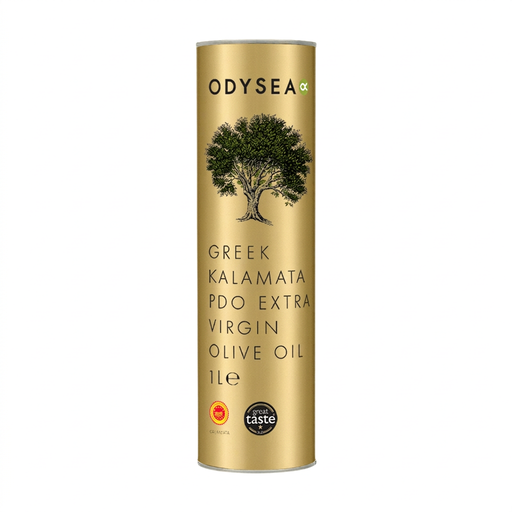
Why This Fits Their Persona: Suitable for Mediterranean food enthusiasts who want a defined regional style for salads, grilled fish, vegetables and dipping.
The product description specifies PDO status, Koroneiki olives, cold extraction and a medium-fruity, peppery profile rather than relying only on a country label.
1-litre bottle; 100% extra virgin olive oil; regional PDO specification; vegetarian and vegan suitable.
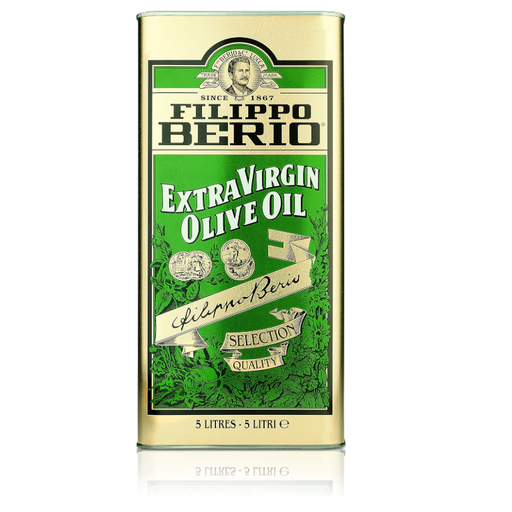
Why This Fits Their Persona: A catering-sized option for restaurants, busy family kitchens and foodservice users who regularly prepare sauces, marinades, roasting dishes and dressings.
The large format is appropriate where usage is frequent, reducing the need for repeated small-bottle purchases. It should still be sealed tightly and stored away from heat and sunlight.
5-litre format; 100% extra virgin olive oil; suitable for hot and cold culinary applications.
We have compiled a complete, real-time list of products that fully satisfy these strict selection criteria and UK safety regulations.
Yes, it can be used for everyday methods such as gentle sautéing, roasting and baking, depending on the product instructions and cooking temperature. More delicate oils are often preferred for finishing, salad dressing and dipping, where their flavour is easier to appreciate.
There is no single lifespan for every bottle. Check the best-before information, reseal the cap after each use and keep the oil in a cool, dark cupboard. Smaller bottles may be more suitable for occasional users because they can be finished sooner after opening.
An olive oil spray can make portion control easier and may help reduce overspraying on trays, pans or air-fryer baskets. However, compare the price per 100ml and check the ingredient list, as flavoured or blended spray products may not contain only extra virgin olive oil.