
24/7 Customer Support

Free returns

Same-day & Next-day Delivery

Quality Guaranteed

Unlock Your Welcome Offers: FREE Delivery | Up to 80% OFF | Free 30-day JoyPlus trial
Download the APP
Whether you are preparing weekday meals, dressing salads or supplying a busy café, choosing extra virgin olive oil is not simply a matter of picking the most attractive label. Origin, bottle size, storage and intended use all affect whether the oil suits your household and offers good value.
Marketing language can also make comparison difficult. Terms such as “premium”, “cold-pressed” and “Italian” may sound persuasive, but they do not automatically tell you how an oil will taste, how fresh it is or whether the format is practical for your kitchen.
Italian extra virgin olive oil and Greek extra virgin olive oil can both offer distinctive character, but origin alone does not determine whether an oil is mild, fruity, peppery or robust. Blended European oils may provide a more consistent, approachable flavour, while regional oils can have stronger tasting notes.
Check the product description for useful information about the blend, olive variety, region and suggested uses rather than relying only on the flag or imagery on the label.
Cold-pressed olive oil refers to an extraction method, but it is not a substitute for checking the product category. Extra virgin olive oil should be obtained directly from olives and solely by mechanical or physical means, without chemical refining.
The phrase does not tell you whether the flavour suits your cooking or how recently the oil was bottled. Always check the best-before information and buy a quantity you are likely to use while the bottle is open.
A 5 litre olive oil container can make sense for restaurants, catering businesses or large households. For occasional users, however, a smaller 500ml extra virgin olive oil bottle may be more practical. Repeated exposure to air, light and heat can gradually affect aroma and flavour.
Store olive oil in a cool, dark cupboard, reseal it firmly after use and keep it away from the hob, oven and direct sunlight. Cloudiness at lower temperatures is usually a natural change and should clear at room temperature; refrigeration is generally unnecessary.
Look for “extra virgin olive oil” as the stated category and review the ingredients list. A single-ingredient product should list olive oil or extra virgin olive oil. This is different from standard olive oil, which may contain refined olive oil blended with virgin olive oil.
For high-heat everyday cooking, a standard olive oil may be a more economical choice. For olive oil for salads, dipping, finishing and drizzling, extra virgin olive oil is often selected for its aroma and flavour.
Mild, smooth oils work well when you do not want to overpower vegetables, fish or dressings. Fruity oils can add more noticeable olive character to bread, pasta and tomatoes. Peppery or herbaceous oils may suit robust salads, grilled foods and finishing.
Use product guidance sensibly:
A 500ml extra virgin olive oil bottle is suitable for smaller households or shoppers comparing different origins. A 750ml or 1 litre extra virgin olive oil format may suit regular home cooks. Larger PET containers, including 2 litre and 5 litre formats, are more appropriate where consumption is high and storage is available.
Dark glass can help limit light exposure, while plastic formats are often lighter and easier to handle. The most suitable option depends on how quickly you use the oil and where you intend to store it.
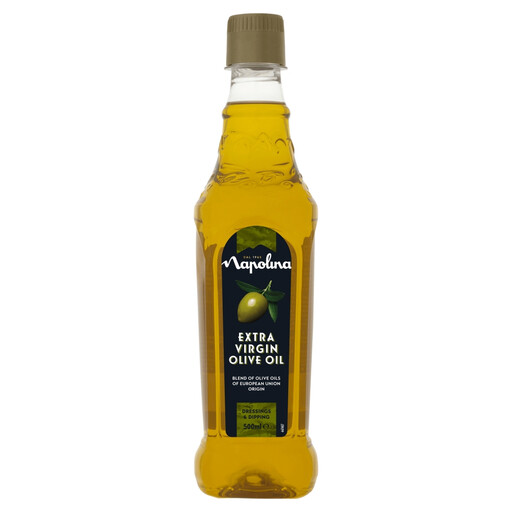
Why This Fits Their Persona: A manageable size for UK households trying extra virgin olive oil for dressings, marinades, dipping and finishing without committing to a large container.
The 500ml format limits prolonged storage, while the product clearly identifies its European Union origin and single ingredient.
Suitable for raw applications, marinades and gentle sautéing; the bottle uses recycled plastic content.
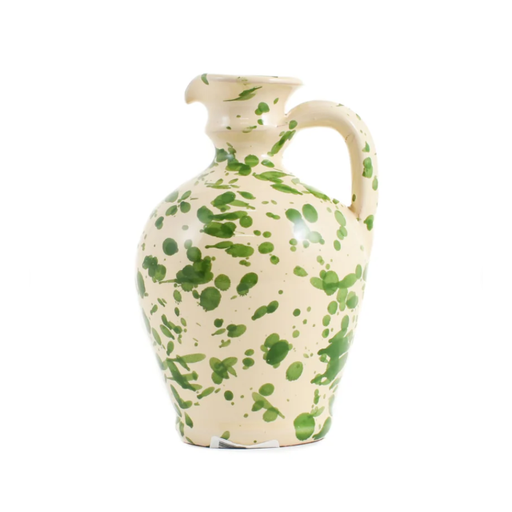
Why This Fits Their Persona: Suits shoppers seeking an Italian extra virgin olive oil with a defined regional identity and a presentation bottle for the dining table.
The description specifies Puglia, cold pressing and a medium-fruity profile, giving more useful information than generic “premium” wording alone.
Cold-pressed oil with artichoke, herbaceous and peppery notes; handmade ceramic packaging.
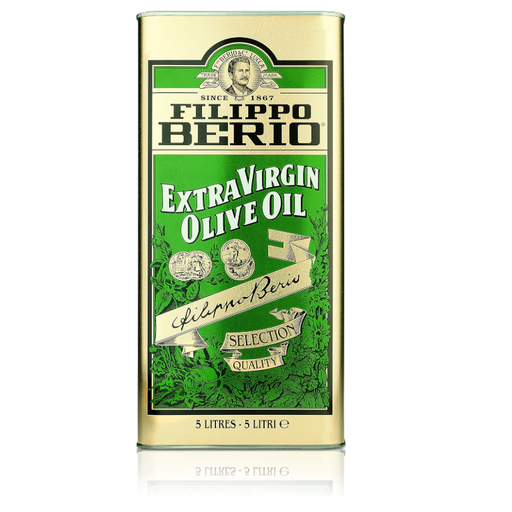
Why This Fits Their Persona: A catering-sized option for restaurants, foodservice settings and large households that use olive oil frequently.
The large format is only practical for high-use kitchens, helping frequent buyers avoid repeatedly purchasing small bottles while providing clear storage guidance.
5 litre capacity; suitable for dressings, marinades, roasting, light pan frying and finishing.
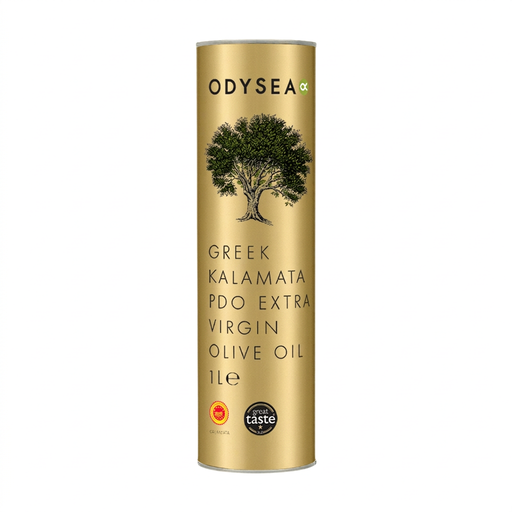
Why This Fits Their Persona: A one-litre Greek option for cooks who enjoy a more noticeable oil on salads, grilled fish, vegetables and bread.
The listing identifies the Kalamata PDO region, Koroneiki olives and a medium-fruity, peppery profile, rather than leaving flavour expectations unclear.
One-litre format; cold-extracted and suitable for dipping, drizzling, dressings and gentle cooking.
We have compiled a complete, real-time list of products that fully satisfy these strict selection criteria and UK safety regulations.
Yes, it can be used for everyday cooking, including gentle sautéing, roasting and marinades, provided it is not heated until smoking. For delicate oils, many shoppers prefer using them raw or adding them after cooking to retain their aroma.
There is no single lifespan for every bottle. Use the best-before date as a guide, then store the oil correctly and monitor its aroma and flavour. If it smells stale or unpleasant, replace it. Buying a quantity that matches your usage is usually more useful than simply choosing the largest container.
Cloudiness can occur when olive oil is exposed to cooler temperatures. Several products specify that this may happen below approximately 7–10°C and that the oil should clear at room temperature. Keep it in a cool cupboard rather than refrigerating it, and follow the storage instructions on the packaging.