
24/7 Customer Support

Free returns

Same-day & Next-day Delivery

Quality Guaranteed

Unlock Your Welcome Offers: FREE Delivery | Up to 80% OFF | Free 30-day JoyPlus trial
Download the APP
Navigating the olive oil aisle can feel overwhelming. With shelves lined with bottles boasting claims of Italian heritage, cold-pressing and unique flavour profiles, it is difficult to know which bottle of extra virgin olive oil is genuinely worth your money. Many shoppers find themselves disappointed by a flavourless oil or realise they have been using a premium finishing oil for everyday frying, effectively pouring money down the drain.
As the Joybuy Product Recommendation Officer, my role is to help you see past the marketing jargon. This guide will highlight the common pitfalls to avoid and break down the essential factors to consider, ensuring you can confidently select the right oil for your kitchen, whether you need it for dressing, dipping or daily cooking.
finishing oil for high-heat cooking is a common mistake. The heat destroys its nuanced flavours and beneficial compounds, making it no better than a standard cooking olive oil but at a much higher cost.To make an informed choice, focus on these three key parameters. They provide a much clearer picture of the oil's quality and intended use than a fancy label alone.
The term extra virgin olive oil signifies that the oil was extracted from olives using only mechanical methods, without chemicals or excessive heat. You should specifically look for the phrases cold-pressed or cold-extraction on the label. This process ensures the temperature is kept low (typically below 27°C), which is crucial for preserving the oil's delicate flavours, aromas and natural polyphenol content. Oils extracted with heat may have a higher yield, but they lose the very characteristics that make extra virgin olive oil so desirable.
For a guarantee of origin and quality, look for official certifications.
Greek extra virgin olive oil with a Kalamata PDO seal uses olives grown and pressed exclusively in that region.These labels help you move beyond the "bottled in Italy" trap and purchase genuine Italian extra virgin olive oil or Greek oil with confidence.
The flavour of an olive oil can range from smooth and buttery to grassy and peppery. This is determined by the olive variety, the ripeness at harvest and the region. A robust, peppery oil is often a sign of high polyphenol content and is an excellent olive oil for dipping or as a finishing oil to drizzle over pasta or soup. A milder, more buttery oil can be more versatile and may be one of the best olive oil for salads or for gentle sautéing.
To simplify your choice, we have matched some reliable options to different household needs and preferences.
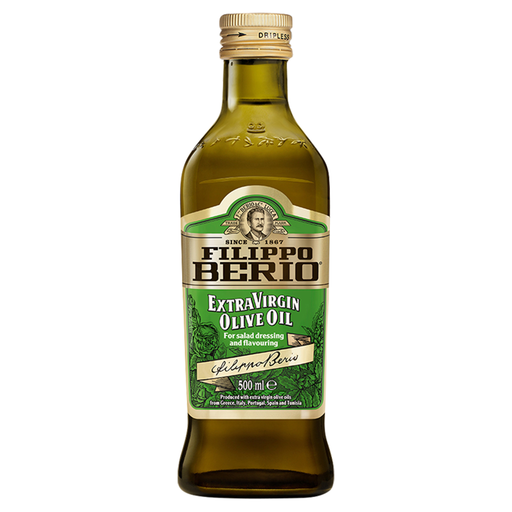
Why This Fits Their Persona: This is a dependable, all-purpose oil for the UK home cook. Its well-balanced, fruity flavour is versatile enough for making salad dressings, drizzling over vegetables and for light, everyday cooking without overpowering the food.
It is priced as a versatile cooking staple, not a rare finishing oil. This prevents the pitfall of overspending on an oil for daily tasks where its most delicate notes would be lost to heat.
A reliable and consistent flavour profile from a well-established brand. The standard 500ml extra virgin olive oil bottle is a convenient size for most kitchens.
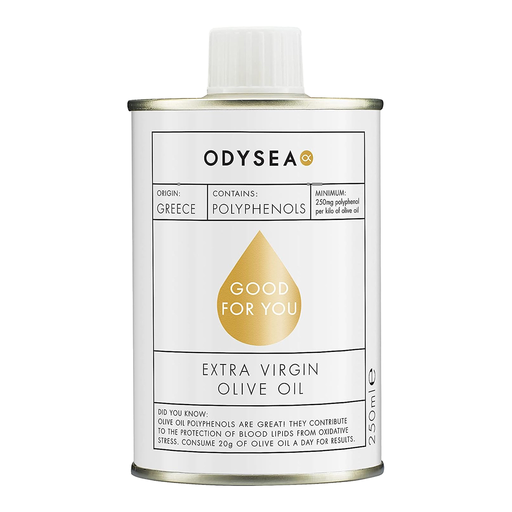
Why This Fits Their Persona: This user prioritises nutritional value. This PGI-certified Cretan oil is produced from an early harvest of Koroneiki olives, specifically to achieve a high concentration of polyphenols, which are natural antioxidants.
It moves beyond vague health claims by guaranteeing a minimum polyphenol content (250mg/kg) until its best-before date. This provides a verifiable quality metric instead of just marketing fluff.
PGI status confirms its Cretan origin. The distinct peppery finish is a direct indicator of its high polyphenol content. An ideal choice for those seeking an organic olive oil alternative with measurable properties.
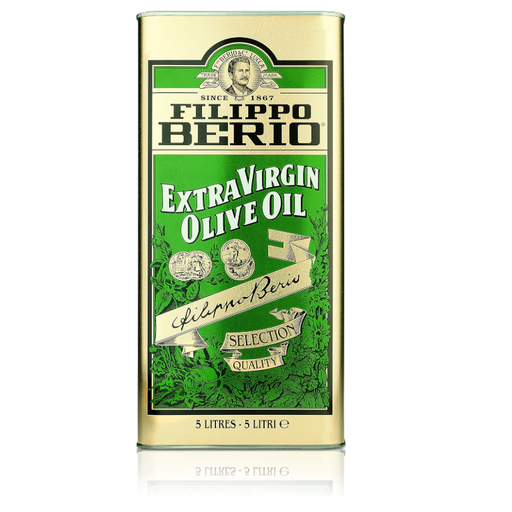
Why This Fits Their Persona: For households that use olive oil generously, buying in bulk is the most economical choice. This 5-litre tin provides a large supply of the same reliable, versatile oil, perfect for everything from daily cooking to dressing large family-sized salads.
This bulk olive oil format offers a significantly lower cost per litre, avoiding the trap of repeatedly buying smaller, less cost-effective bottles. The opaque tin also protects the oil from light, preserving its quality for longer.
Excellent value for money for high-volume users. The large, light-proof container is ideal for long-term storage in a pantry, ensuring the oil stays fresh.
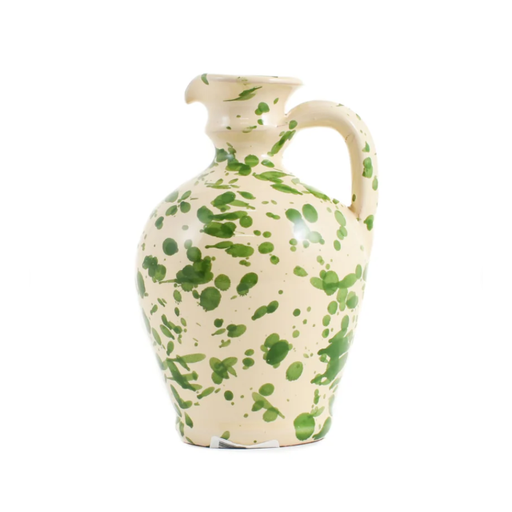
Why This Fits Their Persona: This user values flavour, provenance and presentation. This cold-pressed oil from Puglia, a renowned Italian olive region, offers a medium-fruity flavour with peppery notes, making it a superb olive oil for dipping with bread or finishing a dish of burrata.
It sidesteps the "bottled in Italy" trap by highlighting its specific Puglian origin. The beautiful, hand-decorated ceramic bottle also serves a practical purpose, protecting the oil from light while looking great on the dining table.
A genuine single-region Italian extra virgin olive oil with a distinct flavour profile. The decorative, reusable ceramic bottle makes it an excellent gift for a food lover or a centrepiece for entertaining.
We have compiled a complete, real-time list of products that fully satisfy these strict selection criteria and UK safety regulations.
Yes, you can. Extra virgin olive oil is suitable for most types of cooking, including gentle sautéing, roasting and baking. A good quality extra virgin olive oil typically has a smoke point of around 190-210°C. However, to preserve the delicate flavours of a premium finishing oil, it is best to add it to dishes after they have been cooked.
The three enemies of olive oil are heat, light and air. Always store your oil in a cool, dark place like a pantry or cupboard, away from the cooker. Ensure the cap is screwed on tightly after each use to minimise exposure to oxygen. While it may cloud in the fridge, this is a natural process that does not harm the oil; simply let it return to room temperature before use.
PDO (Protected Designation of Origin) and PGI (Protected Geographical Indication) are EU certifications that guarantee the geographical origin of the product. For olive oil, a PDO seal means the entire process—from growing the olives to pressing and bottling the oil—happened in a specific, named region. PGI is slightly less strict, requiring at least one stage of production to have occurred there. These labels are a reliable indicator of authentic provenance.