
24/7 全天候客户支持

免费退货

当日/次日达

品质保障

开启新人专享福利: 全场免邮 | 低至 2 折 | 免费试用 30 天 JoyPlus 会员
下载 Joybuy
Dark circles and puffiness can have different visible causes, so buying the most expensive eye product is not necessarily a practical solution. Some shoppers need lightweight hydration for dry, tired-looking eyes, while others are comparing an anti-ageing eye serum, a cooling eye roller or hydrogel eye patches for occasional use.
The main challenge is separating useful product information from broad marketing language. Before choosing eye care for dark circles and puffiness, check the formula, applicator, usage instructions and suitability for your skin rather than relying on claims such as “instant transformation” or “deep repair”.
Dark circles may look brown, blue, grey or shadowed depending on skin tone, dryness, facial structure and visible blood vessels. A brightening eye cream may be more relevant to dull-looking skin, whereas a hydrating eye gel can make dryness-related shadows appear less noticeable. Topical cosmetics cannot be assumed to correct every underlying cause.
A chilled metal applicator, gel or patch can provide a refreshing sensation and may make the eye area look less puffy for a period. This is different from changing the cause of persistent under-eye bags. Cooling tools are useful for morning routines and tired-looking eyes, but they should not be treated as a medical under-eye puffiness treatment.
Retinal, retinol, fragrance, essential oils and some botanical extracts may not suit every sensitive eye area. A retinol eye serum or retinal-based product should be introduced gradually, while products containing fragrance or alcohol denat. deserve closer inspection if your skin is reactive. Always read the current packaging and perform a patch test where appropriate.
Match the ingredient profile to your main concern:
Ingredients should be considered alongside the full formula. “Natural”, “vegan-friendly” or premium packaging does not automatically mean a product will suit your skin.
A hydrating eye gel is usually lightweight and convenient beneath make-up. A balm offers a richer, more cushioning finish, while an eye serum tends to absorb quickly and layer with moisturiser. Hydrogel eye patches are single-use treatments that may be convenient before an event but have a higher cost per application than a daily gel.
Metal beads and a cooling eye roller can help distribute product without using excessive fingertip pressure. However, the applicator must be cleaned or used as directed to reduce the risk of transferring residue near the eyes.
Look for clear warnings, a complete ingredient list and appropriate storage instructions. Products intended for the eye area should be used externally only and kept away from direct contact with the eyes. Stop using a product if redness, itching, swelling or a rash develops.
For value, compare price per millilitre for serums and balms, or price per application for patches. Check the period-after-opening symbol on the packaging and avoid keeping opened skincare in heat or direct sunlight. Products with retinal, retinol or vitamin C derivatives may require especially careful storage according to the label.
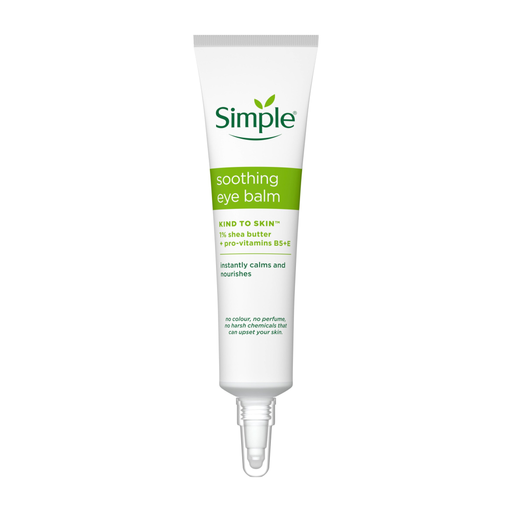
Why This Fits Their Persona: A straightforward daily option for UK shoppers starting an eye-care routine, particularly those seeking a gentle eye balm for sensitive skin.
Its listed formula avoids artificial perfume and colour, helping shoppers who want to minimise unnecessary fragrance-related variables.
Contains panthenol, vitamin E, shea butter and jojoba oil; the 15 ml size is easy to add to a daily routine.
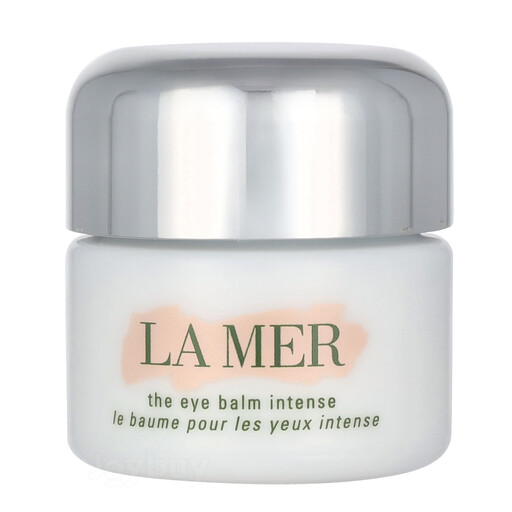
Why This Fits Their Persona: Suits shoppers who prioritise a richer sensory routine and a dedicated applicator alongside an eye balm.
The silver-tipped applicator and stated storage guidance offer practical details beyond premium presentation; review the fragrance and essential-oil ingredients if sensitive.
A fast-penetrating balm texture with caffeine, sodium hyaluronate and a cooling metal applicator.
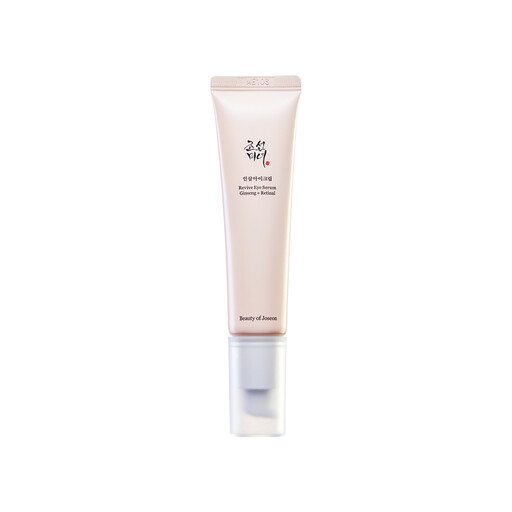
Why This Fits Their Persona: A targeted choice for shoppers focused on fine lines, texture and a lightweight Korean-style serum routine.
The product clearly identifies retinal in its ingredients and directions, making it easier to plan gradual use rather than unknowingly choosing a vitamin A formula.
30 ml format, ginseng extract, niacinamide, glycerin and a quick-absorbing gel texture; use sunscreen during the day.
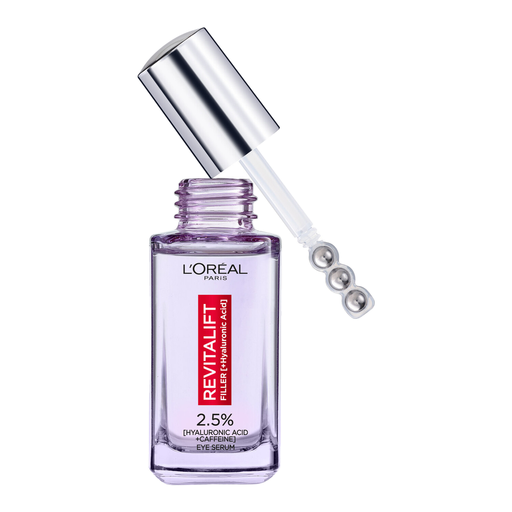
Why This Fits Their Persona: Suitable for commuters and make-up users wanting a fragrance-free serum with a cooling triple-bead applicator.
The clear ingredient focus makes it easier to compare hydration and brightening components instead of buying solely for a “de-puffing” label.
Contains hyaluronic acid, caffeine and niacinamide; the roller is designed for light massage and the formula is described as non-greasy.
We have compiled a complete, real-time list of products that fully satisfy these strict selection criteria and UK safety regulations.
Apply a small amount around the orbital bone rather than directly along the lash line. Pat gently with the ring finger and avoid rubbing. Introduce only one new active product at a time so that irritation is easier to identify. Retinal and retinol products are generally more suitable for an evening routine, with daytime sunscreen recommended as stated on the product guidance.
For occasional tired-looking eyes, hydrogel patches or a cooling eye roller can be used before make-up. Check the recommended wear time, discard single-use patches after use and do not share applicators.
Follow the individual product instructions. Hydrating balms and gels are commonly designed for morning and evening use, while retinal or retinol products may need a slower introduction. If irritation occurs, stop using the product.
Hydrogel patches mainly provide short-contact hydration and a cooling, refreshed feel. They may temporarily improve the appearance of dryness or puffiness, but they are not a guaranteed long-term solution for persistent dark circles.
Not automatically. Compare the ingredient list, texture, applicator, volume and cost per use. A simple hydrating eye gel used consistently may offer better practical value than a richer product that feels uncomfortable or is used only occasionally.