
24/7 全天候客户支持

免费退货

当日/次日达

品质保障

开启新人专享福利: 全场免邮 | 低至 2 折 | 免费试用 30 天 JoyPlus 会员
下载 Joybuy
Dark circles, puffiness, dryness and fine lines can make the under-eye area look tired even after a good night’s sleep. However, choosing an eye cream for dark circles and puffiness is not simply a matter of selecting the most expensive jar. Texture, ingredients, packaging and usage instructions all affect whether a product fits your routine.
The Joybuy Product Recommendation Officer’s approach is straightforward: filter out vague marketing claims and focus on practical features that matter for UK shoppers.
Some products contain light-reflecting particles, mica or tinted pigments that make the eye area look brighter immediately. This can be useful under makeup, but it is a visual effect rather than evidence that pigmentation has changed.
Check whether the product also includes practical skincare ingredients such as niacinamide, caffeine, glycerin, hyaluronic acid or panthenol. These can support hydration, a fresher appearance or temporary reduction in the look of puffiness, but results vary between individuals.
Natural-origin ingredients can still include fragrance, essential oils or aromatic compounds. For example, some botanical formulas list parfum, limonene or linalool. If your skin reacts easily, look for fragrance-free options, read the full INCI list and complete a patch test before applying near the eyes.
“Dermatologically tested” or “ophthalmologist tested” describes a product’s testing status; it does not guarantee that irritation is impossible.
A nourishing eye balm may feel comfortable on dry skin but can be too heavy beneath concealer or during the day. Conversely, an eye gel may feel refreshing but provide less comfort for very dry skin.
Consider your routine first. A caffeine eye cream, cooling eye gel or rollerball eye serum may suit morning puffiness, while an eye balm or richer cream may be more appropriate at night.
Ingredients do not work in isolation. A formula that contains several desirable ingredients may still be unsuitable if its fragrance or texture does not suit your skin.
Airless pumps and tubes can help limit repeated contact with the formula. Rollerballs and massage beads may make application easier, but use light pressure and avoid dragging the skin.
For eye patches, check the number of patches, wear time and storage advice. They are generally designed for occasional hydration and refreshing use rather than replacing a daily moisturiser.
Eye-area products are for external use only. Avoid direct contact with the eyes, rinse thoroughly with clean water if contact occurs and stop using the product if redness, itching or discomfort develops.
Apply a small amount along the orbital bone rather than directly on the lash line. Use your ring finger or the applicator supplied, with light outward movements. Always check the packaging for the latest ingredient list, batch information and storage instructions.
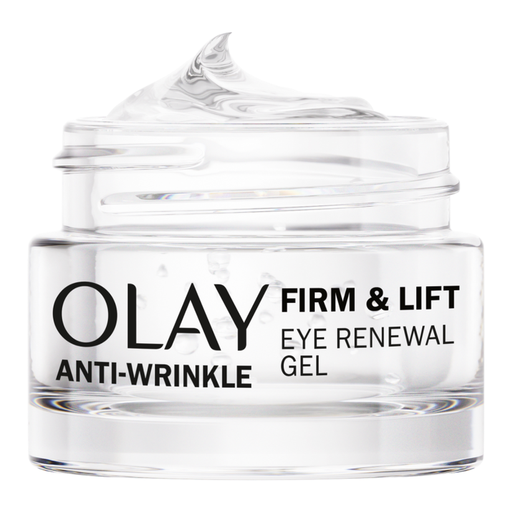
Why This Fits Their Persona: A lightweight morning-and-evening option for shoppers starting a simple under-eye cream routine without choosing a rich balm.
The fast-absorbing gel format is less likely to feel heavy under makeup, while the ingredient list clearly identifies niacinamide, panthenol and sodium hyaluronate.
Light gel texture; includes hydrating and brightening-focused ingredients.
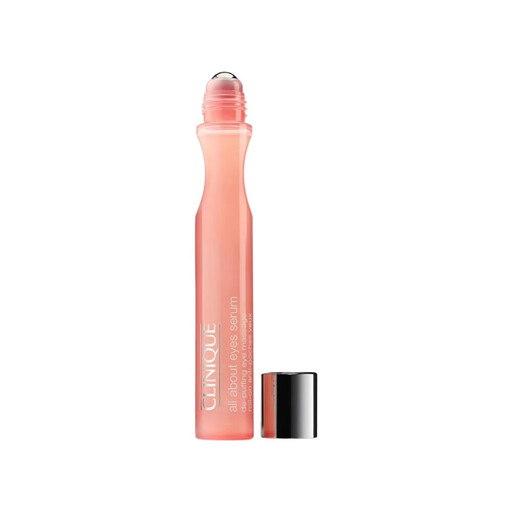
Why This Fits Their Persona: Suitable for commuters, frequent travellers and makeup users wanting a quick, cooling eye serum during a busy UK working day.
The fragrance-free, oil-free formula and rollerball format address concerns about heaviness, strong scent and inconvenient application.
Cooling rollerball; contains caffeine and panthenol; tested by dermatologists and ophthalmologists according to the product description.
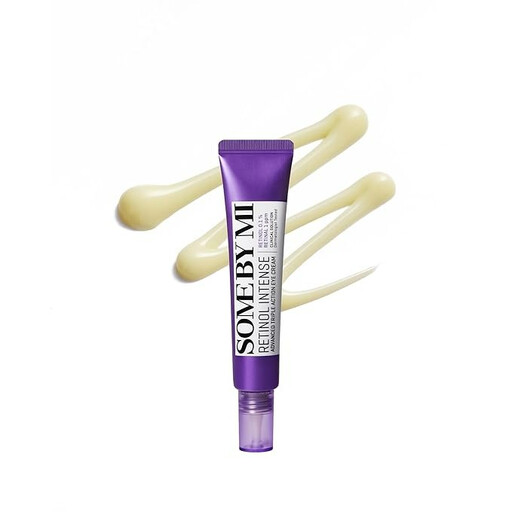
Why This Fits Their Persona: A night-focused choice for experienced skincare users prioritising retinoids, fine-line care and a larger 30ml format.
The product specifies retinol and retinal and provides gradual-use guidance, helping shoppers avoid treating a retinol eye cream like a basic moisturiser.
Includes retinol, retinal, niacinamide and panthenol; 30ml net content. Use gradually and apply daytime sunscreen.
We have compiled a complete, real-time list of products that fully satisfy these strict selection criteria and UK safety regulations.
Usually, a small amount is sufficient for both eyes. Start with approximately a rice-grain-sized quantity per eye, unless the packaging gives different instructions. Applying more will not necessarily improve results and may increase the chance of migration into the eyes.
Yes, if both products are comfortable on your skin. Apply the lighter eye serum first, allow it to absorb, then use the cream or balm. Avoid combining several strong active products at once, particularly if one contains retinol.
The usable period varies by formula and packaging. Check the open-jar symbol, expiry information and storage advice on the product packaging. Keep the lid or cap closed, store products away from heat and sunlight and replace any product that changes smell, colour or texture.