
24/7 Customer Support

Free returns

Same-day & Next-day Delivery

Quality Guaranteed

Unlock Your Welcome Offers: FREE Delivery | Up to 80% OFF | Free 30-day JoyPlus trial
Download the APP
Finding the best eye cream for your skin is less about choosing the most expensive jar and more about matching the formula to your concern, tolerance and daily routine. Under-eye skin is delicate, and products that feel luxurious in the shop may be unsuitable if they contain fragrance, strong active ingredients or a texture that sits heavily beneath make-up.
Before buying, UK skincare shoppers should look beyond phrases such as “instant lift”, “detox” or “miracle formula”. These descriptions can distract from the details that matter: the ingredient list, texture, applicator, usage instructions and suitability for sensitive skin.
Dark circles, puffiness, dryness and fine lines can have different visible causes. A brightening eye cream may be more appropriate for a dull-looking eye contour, while a richer moisturiser may suit dryness. A cooling eye gel for tired eyes can provide a refreshing sensation in the morning, but it will not necessarily address established lines.
Premium formulas may offer distinctive textures, packaging or applicators, but price does not determine whether a product suits your skin. Compare practical features such as fragrance, oils, silicones, active ingredients and net content. A 15ml eye cream can last several months because only a small amount is needed per application.
The eye area can react to fragrance, essential oils, alcohol or botanical extracts, even when a product is labelled natural. Check the current packaging and full INCI list before purchase. If you have reactive skin, avoid applying new products directly to the lash line and perform a patch test where appropriate.
Choose texture according to your routine:
A heavy balm may feel comfortable on dry skin but can be unsuitable under make-up. Conversely, a lightweight gel may not provide enough comfort during colder UK weather or in centrally heated rooms.
For the appearance of fine lines and wrinkles, shoppers may look for peptides, adenosine, retinoids or hydrating ingredients. Caffeine is commonly included in an eye cream for puffiness and tired-looking eyes. Niacinamide, vitamin C derivatives and botanical extracts are often used in a brightening eye cream.
These ingredients support the look and feel of the skin; they do not replace medical treatment or change the underlying causes of persistent swelling or pigmentation. Give a new product time to become part of your routine, and follow the stated directions rather than applying more.
For eye cream for sensitive skin, prioritise clear information about ophthalmological or dermatological testing, fragrance-free positioning and usage warnings. “Vegan”, “natural-origin” and “cruelty-free” are separate claims, so check which one the product actually makes.
Apply a rice-grain-sized amount per eye, unless the packaging states otherwise. Use the ring finger to tap along the orbital bone without pulling the skin. Avoid direct contact with the eyes, and stop using the product if irritation, redness or discomfort develops.
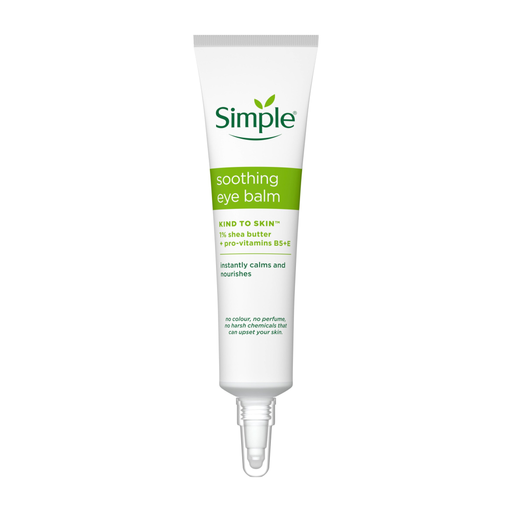
Why This Fits Their Persona: A straightforward daily option for shoppers beginning an eye-care routine, including those who prefer a vegan-friendly UK skincare product.
It avoids relying on luxury positioning, with a formula described as free from artificial perfume and colour and intended for sensitive skin.
Contains panthenol, vitamin E, shea butter and jojoba oil; dermatologically tested and non-comedogenic according to the product description.
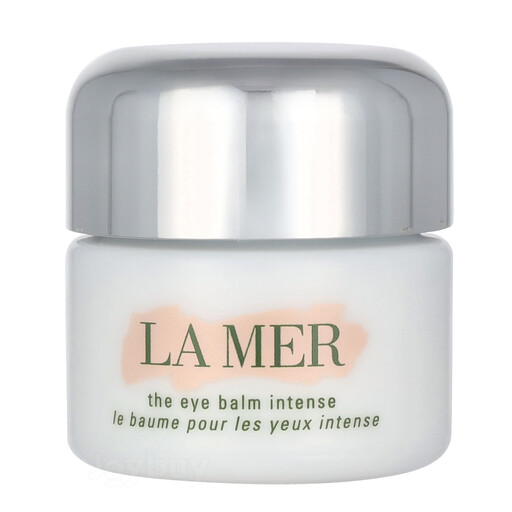
Why This Fits Their Persona: Suits shoppers who value a rich balm texture, premium presentation and a cooling applicator as part of a considered evening routine.
The buying decision can be based on the stated balm texture, ingredients and applicator rather than price alone; fragrance is listed, so sensitive shoppers should review the INCI list.
Includes caffeine, sodium hyaluronate and a silver-tipped applicator designed to provide a cooling sensation during use.
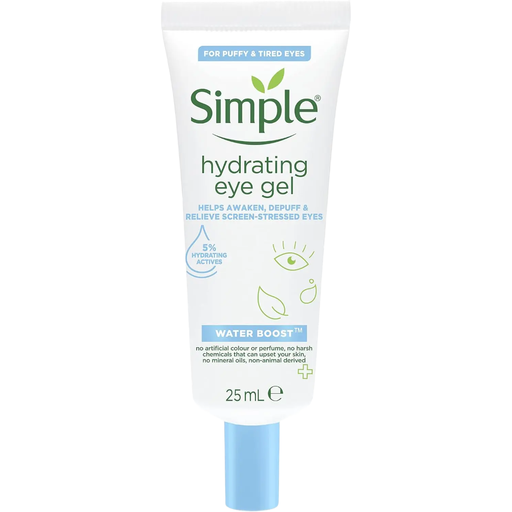
Why This Fits Their Persona: A practical choice for frequent morning use, make-up preparation or anyone wanting a light gel that can be cooled in the fridge.
It focuses on hydration and refreshment rather than promising to resolve every concern, with clear guidance to use a thin layer.
Contains glycerin and electrolytes, is fragrance-free and described as dermatologically and ophthalmologically tested.
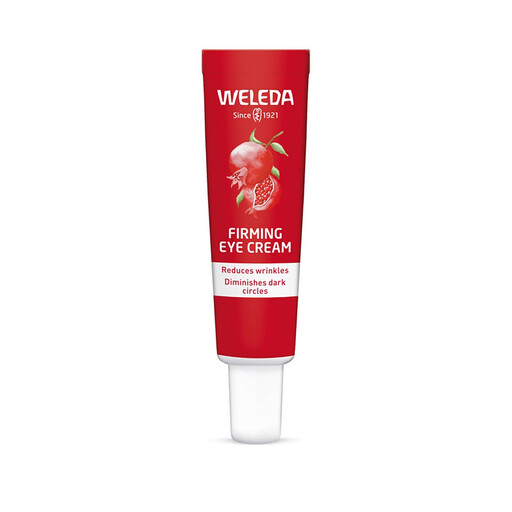
Why This Fits Their Persona: Suits shoppers seeking a vegan, certified natural formula with a lightweight feel for morning and evening application.
The product information identifies its NATRUE certification and vegan suitability, while the ingredient list makes fragrance and essential-oil allergens visible for checking.
Uses pomegranate seed oil, maca-derived hydrolysed root and glycerin; the texture is described as lightweight and fast-absorbing.
We have compiled a complete, real-time list of products that fully satisfy these strict selection criteria and UK safety regulations.
Use eye cream after cleansing and serum, unless the product directions specify another order. Dot a small quantity around the orbital bone and tap gently from the inner corner outwards. Do not rub, tug or apply directly into the eye.
If you choose a retinol eye cream, start on alternate evenings and avoid combining it with other potentially irritating products around the same area. Wear broad-spectrum sunscreen during the day. A retinoid product is not automatically suitable for everyone, so check the packaging and seek professional advice if you have concerns.
A 15ml tube or jar may last several months when using a small amount per eye, but the exact period depends on frequency, packaging and dosage. Follow the product’s PAO symbol, expiry information and storage instructions.
Eye creams can improve the appearance of dryness, dullness and some visible discolouration, but results depend on the cause of dark circles. Genetics, pigmentation, shadows and lifestyle factors may not respond in the same way. Treat product descriptions as appearance-focused guidance rather than a guarantee.
Not always. A face moisturiser may provide adequate hydration if it is comfortable and suitable around your eyes. An under-eye cream is useful when you want a lighter texture, targeted ingredients, a cooling applicator or a formula specifically labelled for the eye contour.