
24/7 Customer Support

Free returns

Same-day & Next-day Delivery

Quality Guaranteed

Unlock Your Welcome Offers: FREE Delivery | Up to 80% OFF | Free 30-day JoyPlus trial
Download the APP
The eye area often shows dryness, fine lines, puffiness and uneven tone before the rest of the face. Yet choosing an under-eye cream can be surprisingly difficult. Attractive packaging and broad claims do not always tell you whether the texture, ingredients or usage instructions suit your skin.
Three common buying traps are worth avoiding:
A sensible choice starts with the ingredient list, texture and your specific concern rather than the marketing language on the front of the box.
For fine lines caused or worsened by dryness, look for humectants and skin-conditioning ingredients such as glycerin, hyaluronic acid, sodium hyaluronate, panthenol and peptides. These can help the skin feel more comfortable and appear smoother when used consistently.
A peptide eye cream may appeal to shoppers focused on firmness and the look of wrinkles. Ingredients such as acetyl hexapeptide-8, palmitoyl peptides and copper tripeptide appear in several formulas in this selection.
For the look of dark circles, niacinamide is a practical ingredient to compare. However, dark circles can have different visible causes, including pigmentation, shadows from facial structure or tired-looking skin. No cosmetic cream can be assumed to address every type equally.
A retinol eye cream or formula containing retinal may suit experienced retinoid users, but it needs a more cautious introduction. A bakuchiol formula offers a retinol alternative for shoppers who prefer a plant-derived active, although individual tolerance still matters.
A lightweight gel or milky cream can work well in the morning and beneath concealer. Richer balms may feel more comfortable on dry skin, particularly during colder UK weather, but can feel heavy if you prefer fast absorption.
Check whether the product is intended for morning, evening or both. Retinoid-containing products are generally more appropriate for a night routine, alongside diligent daytime sun protection. If you wear contact lenses or have sensitive eyes, prioritise clearly stated ophthalmological or dermatological testing, while still checking the full ingredient list.
Eye creams commonly contain around 12–30 ml. Since only a small amount is needed per eye, the largest tube is not automatically the most economical. Compare the net content, recommended frequency and texture.
Apply a rice-grain or pea-sized amount, depending on the product instructions, along the orbital bone rather than directly into the eye. Avoid rubbing or pulling the skin. Always check the current packaging for ingredients, batch details, storage instructions and warnings, as formulations can change.
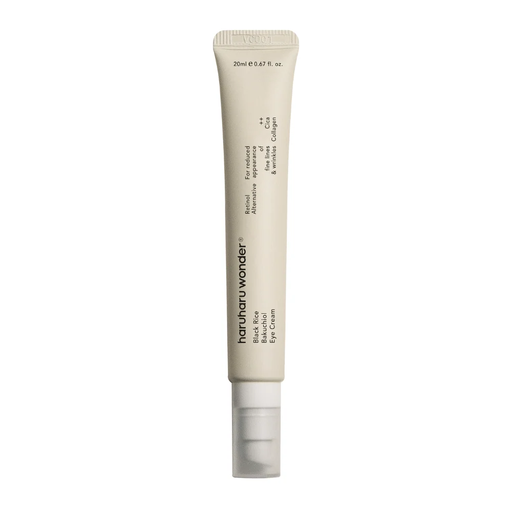
Why This Fits Their Persona: A practical starting point for shoppers seeking a lightweight Korean eye cream with bakuchiol, niacinamide, glycerin and sodium hyaluronate.
Its ingredient list and 20 ml size make it easier to compare substance and value rather than relying on premium packaging.
Milky, non-sticky texture; includes bakuchiol, niacinamide and sodium hyaluronate.
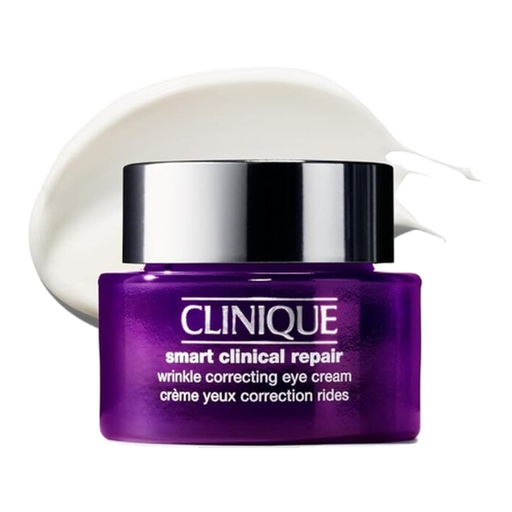
Why This Fits Their Persona: Suitable for shoppers prioritising an airy texture and a fragrance-free, oil-free formula for their daily eye-care routine.
The listed fragrance-free and oil-free positioning helps avoid choosing a rich or scented formula solely for its premium image.
Contains peptides, sodium hyaluronate and caffeine; ophthalmologist tested according to the product information.
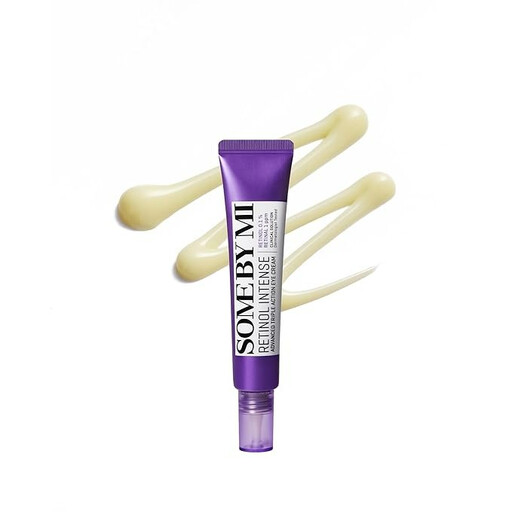
Why This Fits Their Persona: Designed for shoppers specifically comparing retinol, retinal, brightening ingredients and a larger 30 ml format.
The formula identifies retinol and retinal in its ingredient information, so buyers can make a more informed choice than selecting an unspecified anti-ageing label.
Lists 0.1% retinol, retinal, niacinamide, tranexamic acid and hyaluronic acid; intended for night use.
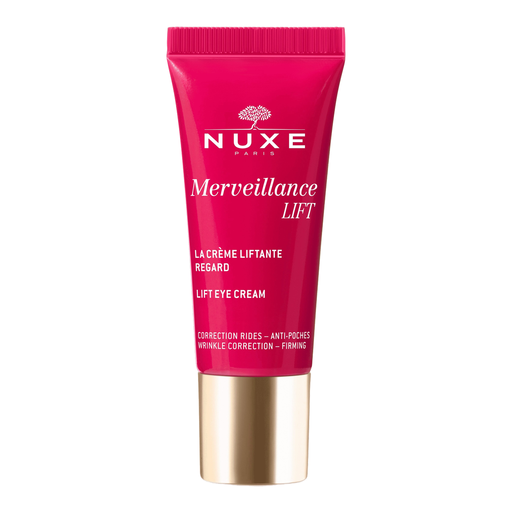
Why This Fits Their Persona: A match for shoppers seeking a richer, natural-origin formula and a product described as suitable for sensitive eyes and contact lens wearers.
The product information states its natural-origin content and ophthalmological testing, giving shoppers specific details to verify.
Contains squalane, shea butter and hyaluronic acid; vegan formula with 94% natural-origin ingredients according to the listing.
Use eye cream after cleansing and serum, following the product’s directions. In the morning, apply sunscreen to exposed skin around the eye area while avoiding direct contact with the eyes. Introduce retinol or retinal gradually, such as on alternate nights, and stop if persistent redness, burning, swelling or rash develops.
For puffiness, a cooling applicator or chilled product may provide a refreshing sensation, but massage should remain light. If dark circles or swelling are persistent, painful or changing, seek appropriate medical advice rather than relying solely on a cosmetic product.
We have compiled a complete, real-time list of products that fully satisfy these strict selection criteria and UK safety regulations.
The right choice depends on whether your priority is hydration, pigmentation, puffiness, sensitivity or visible fine lines. Compare ingredients such as peptides, niacinamide, hyaluronic acid, bakuchiol and retinoids, then select a texture you will use consistently.
Many hydrating eye creams are designed for morning and evening use. Retinol and retinal formulas require more care: introduce them gradually, follow the product directions and use daytime sun protection. Always avoid direct contact with the eyes.
A 12–15 ml tube can last several weeks or longer because only a small amount is needed per application. The actual lifespan depends on whether it is used once or twice daily, the amount applied and the product’s opening and storage guidance.