
24/7 Customer Support

Free returns

Same-day & Next-day Delivery

Quality Guaranteed

Unlock Your Welcome Offers: FREE Delivery | Up to 80% OFF | Free 30-day JoyPlus trial
Download the APP
Choosing the best eye cream is less about finding the most expensive jar and more about matching ingredients, texture and tolerability to your specific concern. Under-eye skin can look dry, dull, puffy or lined, but these issues do not all respond to the same formula.
Marketing can make comparison difficult. A practical shortlist should focus on what the product contains, how it is intended to be used and whether it suits your skin.
Some brightening eye creams contain light-reflecting pigments or tinted particles. These can make the eye area look more awake immediately, but the effect may be optical rather than a change in pigmentation. Similarly, a cooling applicator can temporarily make puffiness appear less noticeable without addressing its underlying cause.
Look for a clear distinction between instant appearance benefits and longer-term moisturising or smoothing claims.
A retinol eye cream may appeal to shoppers looking for an eye cream for wrinkles, but retinoids can be more demanding than a simple hydrating eye cream. Fragrance, essential oils, alcohol and botanical extracts may also be unsuitable for some people.
If your skin is reactive, start with a small amount and patch test where appropriate. A formula marketed for sensitive skin still requires an ingredient check, particularly if you have previously reacted to fragrance or active skincare.
A high price does not automatically mean better suitability. Compare the net content, dispensing method, ingredients, texture and application instructions. A 15 ml eye contour cream used twice daily may not last as long as a 20 ml or 30 ml product, while a richer balm may be better suited to dry skin than oily skin.
A rich eye balm can provide comfort to dry skin, while a gel or light cream is often more convenient under concealer. If your eye area becomes oily or concealer creases easily, avoid applying too much product. A rice-grain-sized amount per eye is usually a sensible starting point unless the packaging gives different instructions.
Before purchasing, check the packaging for the full ingredient list, net quantity, batch information, durability or period-after-opening symbol, directions and warnings. Cosmetic products sold in Great Britain should have appropriate regulatory information, including a UK Responsible Person where required.
Apply around the orbital area rather than directly into the eye. Stop using the product if persistent redness, itching, swelling or discomfort develops. Those with known allergies, eczema or ongoing eye symptoms should seek suitable professional advice rather than relying on an eye cream.
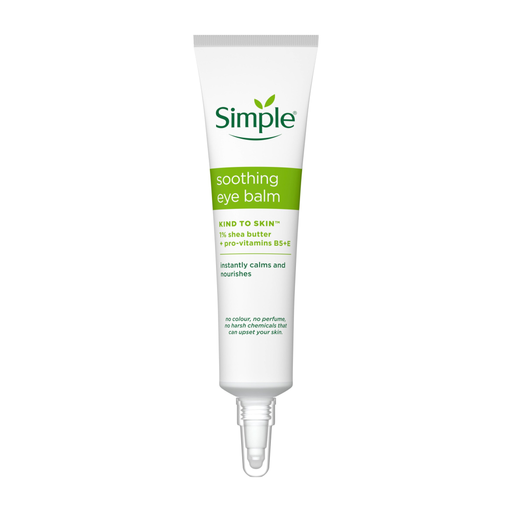
Why This Fits Their Persona: A straightforward daily option for shoppers new to under-eye cream who want moisturising care without artificial perfume or colour.
It focuses on basic soothing and hydration rather than relying on a premium price or aggressive active ingredients.
Contains panthenol, vitamin E, shea butter and jojoba oil; the 15 ml balm is vegan-friendly and fragrance-free.
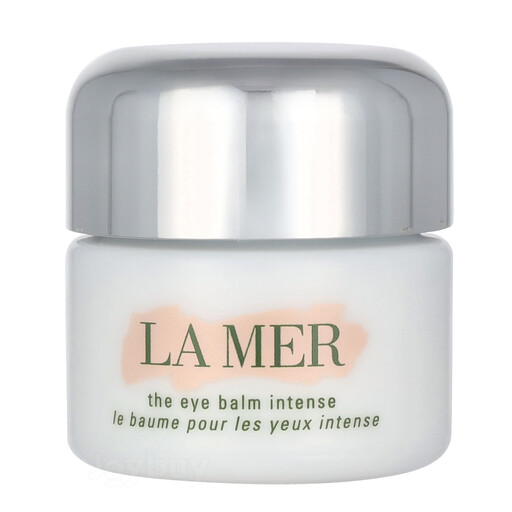
Why This Fits Their Persona: Suits shoppers who value a rich balm texture, a dedicated applicator and a more indulgent evening routine.
Its value is easier to assess through the balm texture, cooling silver-tipped applicator and stated ingredient details, rather than price alone.
Includes caffeine, sodium hyaluronate and algae extracts; supplied with a reusable applicator for massage.
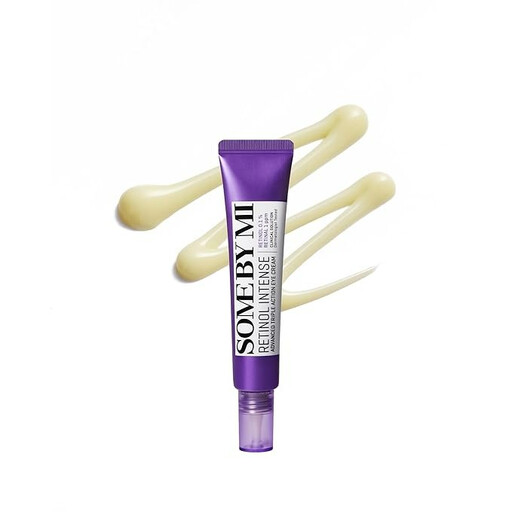
Why This Fits Their Persona: Designed for shoppers specifically comparing a retinol eye cream for visible fine lines, dullness and a more active night-time routine.
The listing identifies retinol and retinal and gives gradual-use guidance, making the strength and routine requirements clearer.
Contains 0.1% retinol alongside retinal, niacinamide, panthenol and hyaluronic acid; supplied in a 30 ml size.
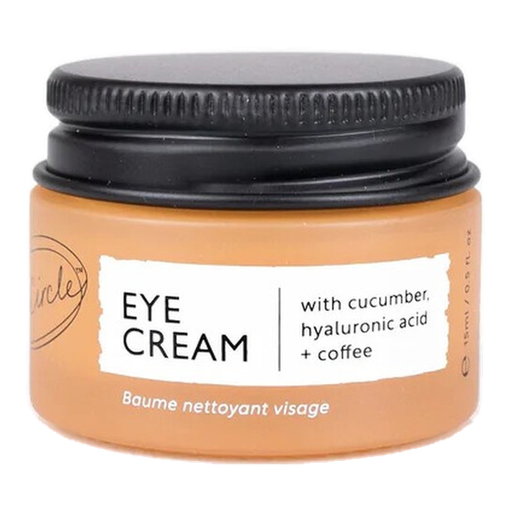
Why This Fits Their Persona: A UK-made choice for shoppers prioritising vegan credentials, recycled-origin ingredients and a moisturising eye cream for dark circles.
The product information clearly lists its intended ingredients and packaging approach, so shoppers can assess sustainability separately from cosmetic performance.
Uses caffeine, cucumber, chamomile and sodium hyaluronate; the product is described as vegan with recyclable packaging.
We have compiled a complete, real-time list of products that fully satisfy these strict selection criteria and UK safety regulations.
A small amount, often around a rice grain per eye, is usually sufficient. Applying more does not necessarily improve results and may increase the chance of migration into the eyes or make make-up crease.
No cosmetic product can guarantee permanent removal. The appearance of dark circles may be influenced by pigmentation, shadows, tiredness, dehydration or facial structure. Choose ingredients and textures that match your concern, while keeping expectations realistic.
Usage varies, but a 15 ml product may last several weeks to a few months depending on whether it is used once or twice daily and how much is applied. Check the period-after-opening symbol and replace the product according to the packaging guidance.