
24/7 Customer Support

Free returns

Same-day & Next-day Delivery

Quality Guaranteed

Unlock Your Welcome Offers: FREE Delivery | Up to 80% OFF | Free 30-day JoyPlus trial
Download the APP
Fabric conditioner can make towels feel softer, reduce static and add fragrance to everyday laundry. However, choosing the right bottle is not simply a matter of picking the strongest scent or the largest size. UK households also need to consider dosage, ingredients, wash capacity, fabric compatibility and how fragrance claims are presented.
Parents, people with sensitive skin and busy families can easily pay more than necessary—or select a product that is unsuitable for their laundry. Use the checks below before buying your next fabric conditioner or fabric softener.
A large bottle is not automatically cheaper per wash. A concentrated fabric conditioner may require a smaller dose, while a larger standard formula may use more liquid per cycle. Compare the stated number of washes and, where possible, calculate the cost per wash.
For example, a 1-litre bottle providing 40 washes may offer a similar number of loads to another bottle with a larger volume but a higher recommended dose.
Terms such as long-lasting fabric conditioner and “100 days of freshness” refer to product positioning and label claims, not a universal result in every home. Storage conditions, drying method, fabric type and how often garments are worn can all affect how long fragrance remains noticeable.
Products with perfume can also include listed fragrance allergens such as limonene, linalool or citronellol. Check the packaging if anyone in your household is sensitive to fragranced products.
A sensitive skin fabric conditioner may avoid fragrance, dyes or enzymes, but no product can guarantee suitability for every person. Look at the full ingredient list and follow the manufacturer’s directions. If severe sensitivity is a concern, seek appropriate medical advice rather than relying only on marketing terms.
Also remember that fabric conditioner should be added to the washing machine’s conditioner compartment, not poured directly onto clothing.
The number of washes is one of the clearest ways to compare products. A 40 wash fabric conditioner can suit a smaller household, while 48, 85 or 129-wash formats may be more practical for families running several cycles each week.
Do not assume that using extra conditioner produces better results. Overdosing can leave residue, waste money and affect fabric performance. Follow the cap markings and adjust the dose to the load size shown on the bottle.
Choose fragrance according to how the laundry will be used:
Read the label rather than relying only on the front of the packaging. “Plant-based fabric conditioner” describes the source of some conditioning ingredients, not necessarily every ingredient in the formula.
Fabric conditioner is generally designed for use in the final rinse, but it is not suitable for every textile. Follow garment-care instructions and product warnings. Take particular care with flame-resistant garments, children’s sleepwear, technical sportswear, towels and highly absorbent fabrics. Some conditioners can reduce absorbency or alter the performance of specialist finishes.
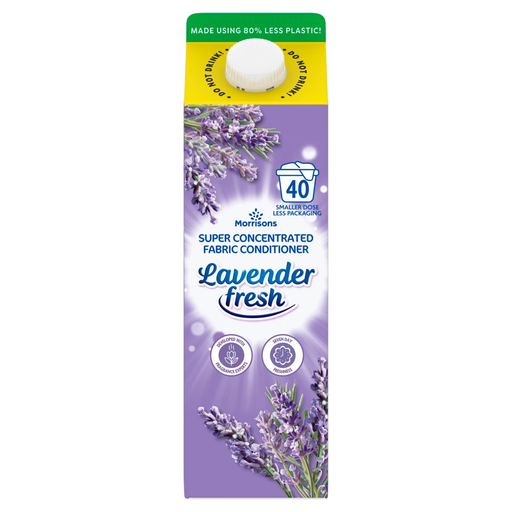
Why This Fits Their Persona: A smaller bottle and concentrated format can suit flats, couples or households with limited storage that still want lavender-scented laundry.
The concentrated format encourages shoppers to compare dose and wash capacity instead of judging value by bottle size alone.
Plant-based softness is listed, alongside features intended to make ironing easier and reduce wrinkling.
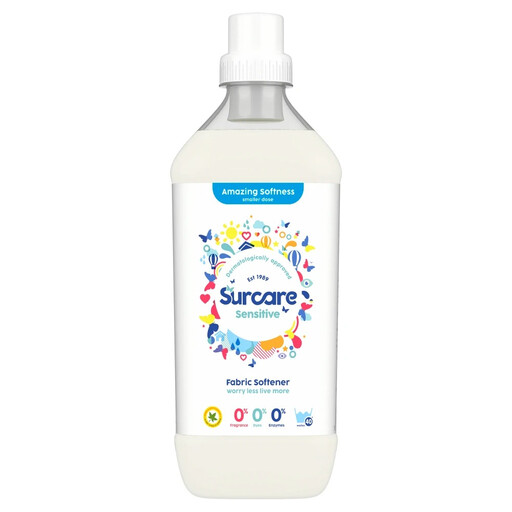
Why This Fits Their Persona: Parents and adults who prefer to minimise fragrance can consider this option for regular clothing, bedding and family laundry.
The listing specifies 0% fragrance, dyes and enzymes, making the ingredient profile clearer than a vague “mild” claim.
The 1-litre bottle provides up to 40 washes, and the product directions specify use during the final rinse.
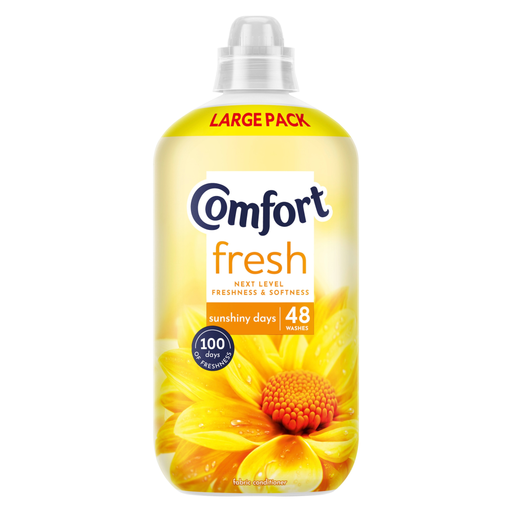
Why This Fits Their Persona: Suitable for shoppers who prioritise a noticeable floral fragrance and regularly use short or cold washing cycles.
Its freshness statement is presented as a product claim, so buyers can weigh it against their own fragrance preferences rather than treating it as a guaranteed result.
The bottle is listed as providing 48 washes, and the packaging is made from 100% recycled plastic excluding the cap and sleeve.
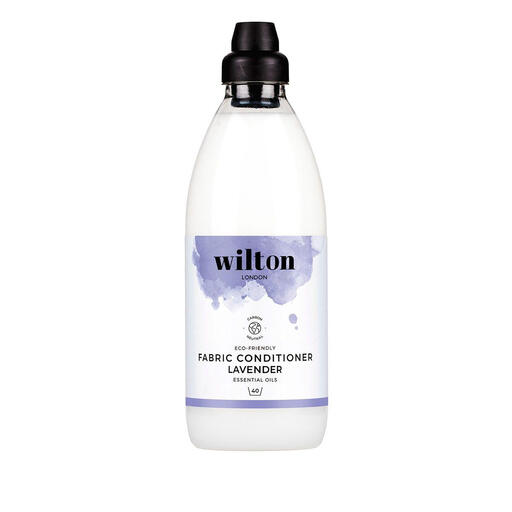
Why This Fits Their Persona: A reasonable match for shoppers seeking a plant-based positioning, lavender fragrance and a product with a smaller bottle footprint.
The listed dose ranges from 50–150 ml, making it important to compare actual usage instead of assuming every wash costs the same.
The formula is described as plant-based and includes lavender, geranium and cedarwood essential oils.
We have compiled a complete, real-time list of products that fully satisfy these strict selection criteria and UK safety regulations.
In the UK, the terms are commonly used for similar rinse-cycle products. Check the bottle’s instructions, add the correct dose to the designated dispenser and never pour liquid conditioner directly onto dry garments.
Shelf life and best-before information vary by product, so check the label. Store the bottle upright, tightly closed and away from children, pets, excessive heat and direct sunlight. Using the correct dosage will also help the product last for the stated number of washes.
Check the garment label and the product ingredients first. For baby laundry, many households prefer a baby-safe fabric softener with a simple, fragrance-free formulation. However, “baby-safe” is not a universal guarantee, so follow the packaging guidance and stop using the product if irritation occurs.