Occasional clothing repairer
You want to attach an embroidered patch to cotton, denim or canvas. Straightforward temperature control and dry pressing matter more to you than a large water tank.


For most iron-on fabric patches, choose an iron with a fabric-appropriate temperature setting that you can use with steam switched off. A precision tip matters more for patches near seams, while tank size and scale care matter mainly if the iron will also handle regular laundry; the garment label and patch instructions still determine whether heat application is suitable.
You want to attach an embroidered patch to cotton, denim or canvas. Straightforward temperature control and dry pressing matter more to you than a large water tank.
You will press patches and do regular laundry with the same iron. Tank capacity, scale care, cord reach and handling may affect how convenient it is between uses.
You are working with a polyester blend or a patch with heat-sensitive decoration. You need to follow both sets of instructions: an iron cannot make a fabric suitable for heat application if its care label rules that out.
Start with the garment and patch instructions, then check that the iron offers the required heat setting and dry operation. Consider detail access and laundry features after those requirements.
| Concern | What to check | Who this matters to |
|---|---|---|
| Fabric-safe heat and dry pressing | Check whether steam can be switched off and whether the available heat settings meet both the garment label and patch instructions. | If my garment has a lower heat limit than the patch method requires, I need to resolve that conflict before pressing. Around 42% of consumers put heat compatibility and dry operation first. |
| Convenience for repeat use | Check tank capacity and scale-care requirements for laundry, plus cord reach and the intended electrical setup. | When I use the utility-room iron for regular laundry as well as patches, refilling and upkeep affect my choice; roughly 33% of consumers make repeat-use convenience their main concern. |
| Precise placement and decoration | Look at the soleplate tip for access near seams, and check whether the patch requires a protective cloth or heat from the reverse. | For a small patch near a pocket or one with raised decoration, I want to control where heat and pressure land. About 25% of consumers prioritise placement and surface protection. |
Steam output is useful for ordinary ironing, but Patches R Us advises switching steam off when applying iron-on patches.
Choose an iron you can use dry at a suitable temperature; assess its steam features separately for laundry.
A heat setting suitable for cotton may be unsuitable for a polyester blend or another heat-sensitive material. The garment label and patch instructions both matter.
Use a pressing cloth where directed. If the instructions rule out the heat needed for bonding, consider a sew-on patch or another permitted attachment method instead.
Direct heat or pressure can damage raised or heat-sensitive details. Patches R Us advises that patches with rhinestones, pearls or similar embellishments should normally be heated from the reverse.
Follow the particular patch instructions for a protective layer and reverse-side pressing; do not rely on the soleplate coating to protect the decoration.
Auto-off is a secondary safeguard, not a reason to leave a hot iron unattended. Electrical Safety First warns against overloading extensions or connecting one extension lead to another.
Check the plug and cable, use a suitable socket setup, fully unwind any cable reel in use and unplug the iron afterwards.
Philips offers conventional steam irons relevant to patch work when their heat settings and dry operation meet the patch instructions.
Tefal conventional irons include features that may matter when patch pressing is combined with frequent household ironing.
Rowenta has a precision-tip model worth considering for patches placed near narrow garment details.
These irons cover detail work, general household ironing and a compact craft option. Before choosing any of them specifically for an iron-on patch, confirm that its controls permit the dry, fabric-appropriate method required by the garment and patch instructions.
 No image available
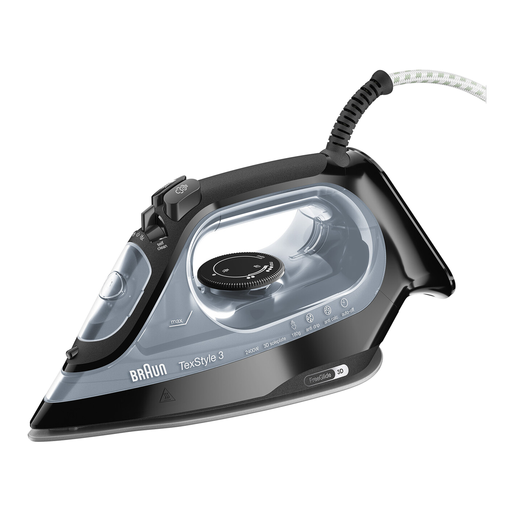
Consider this model for patches near seams or collars, where its stated precision tip is relevant to placement.
Its product name specifies 2600 W, FreeGlide 3D and an EloxalPlus soleplate. Confirm that steam can be switched fully off for the patch method you intend to use.
 No image available
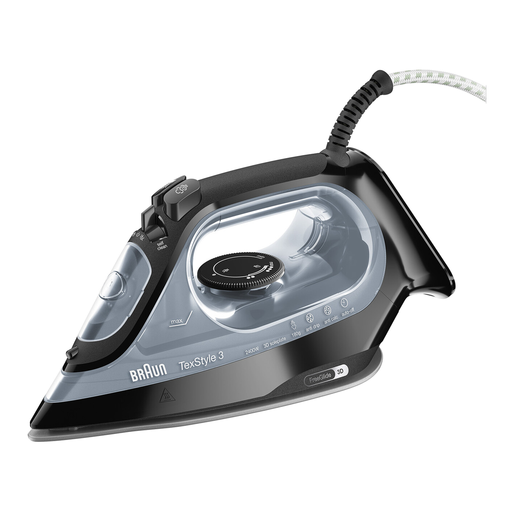
Its described precision tip makes this a model to consider for smaller patches or work near seams.
The product name specifies 2400 W, a SuperCeramic soleplate and auto-off. Check the dry-use controls and available temperatures against your garment and patch instructions.
 No image available
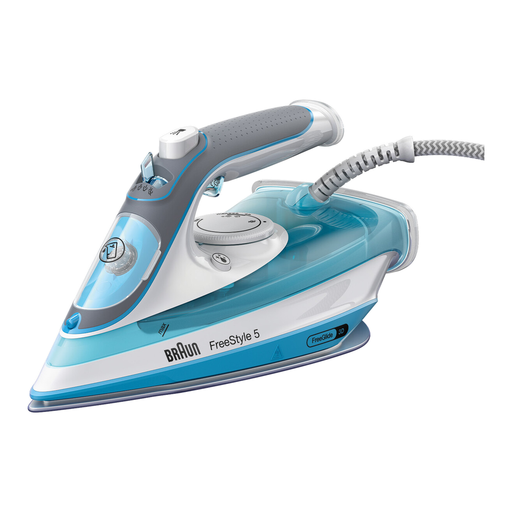
This model's described precision tip may help when positioning a patch near buttons or a collar.
The product name specifies 2600 W, FreeGlide 3D, a SuperCeramic soleplate and anti-drip. Confirm dry operation before using it for a heat-activated patch.
 No image available
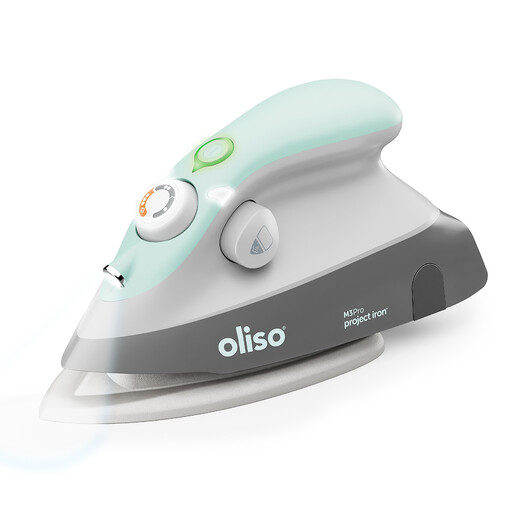
This mini project iron is presented for sewing, quilting and crafting, making it relevant to small pressing areas.
Check whether its steam can be switched off and whether its temperature controls meet the requirements of the garment and patch before choosing it for iron-on application.
 No image available
Consider this generator format if regular laundry is a substantial part of its use; its tank and steam features do not establish better patch bonding.
The product name specifies 2800 W and a 1.8 L water tank. Confirm that the available temperature controls and steam-off operation meet the particular patch method before using it for patches.
Usually not: Patches R Us advises switching steam off because moisture can interfere with heat-activated adhesive. Follow the instructions supplied with your particular patch if they specify a different method.
Yes, a conventional iron is a practical choice if it offers the required fabric-safe temperature and can be used dry. A generator's water and steam features are more relevant to regular laundry than to patch application when steam must be off.
Do not press directly onto the decorative face unless its instructions permit it. Patches R Us advises that embellished patches should normally be heated from the reverse; use any protective layer specified for that patch.
Check that the iron has a suitable UK three-pin plug and fuse, and inspect its cable and the socket before use. Electrical Safety First advises against overloading or daisy-chaining extension leads; fully unwind a cable reel, do not leave the iron unattended and unplug it afterwards.