
24/7 全天候客户支持

免费退货

当日/次日达

品质保障

开启新人专享福利: 全场免邮 | 低至 2 折 | 免费试用 30 天 JoyPlus 会员
下载 Joybuy
If you’ve ever tried to complete a set of glute bridges only to have your flimsy latex band roll up your thigh, you know the frustration. A good workout flow is key to staying motivated, and nothing breaks that focus faster than equipment that slips, snaps or pinches your skin. For many fitness enthusiasts, especially those focusing on effective home workout bands, this is a common complaint.
The good news is that there is a durable, comfortable and far more effective alternative. Fabric resistance bands have become a go-to for anyone serious about toning their lower body.
This guide is designed to help you understand what makes a quality set of fabric bands. We will walk you through key features to look for and share some of our top recommendations to help you find the perfect tool for your fitness goals.
Before you add a set to your basket, here are a few practical points to consider.
The primary reason people switch to fabric bands is their superior design. Unlike traditional thin latex bands, fabric resistance bands are typically made from a robust and comfortable blend of cotton and elastic fabric. Many feature rubber or latex threads woven into the inner lining, creating a non-slip resistance bands surface that stays firmly in place during squats, lunges and hip thrusts. This wider, sturdier construction prevents the dreaded rolling and provides consistent tension throughout the movement, making them excellent glute bands.
To see results, you need to challenge your muscles. A set of bands with multiple resistance levels (e.g., Light, Medium, Heavy) is far more versatile than a single band. This allows you to:
This makes a multi-level set a practical investment for long-term use, particularly for those seeking effective leg exercise bands.
Not all resistance bands are created equal. The main types include:
Understanding which type suits your routine is key to making the right choice.
Here are a few standout options that cater to different fitness needs, selected for their material quality, design and user-friendliness.
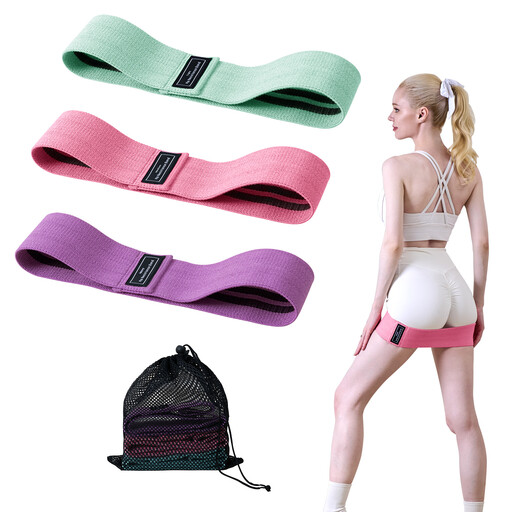
Why It Stands Out: This set directly addresses the shortcomings of traditional latex bands. Crafted from high-quality, skin-friendly cotton fabric, these bands are designed to stay put. The non-slip construction ensures they won't roll or slide, allowing you to focus entirely on your form. The inclusion of three distinct resistance levels makes this set a complete solution for progressive lower body training.
Pros:
Who is it for? Anyone looking for dedicated resistance bands for women and men focused on lower body workouts. They are ideal for home fitness, Pilates and yoga practitioners who want reliable, comfortable and effective booty bands for toning glutes, hips and legs.
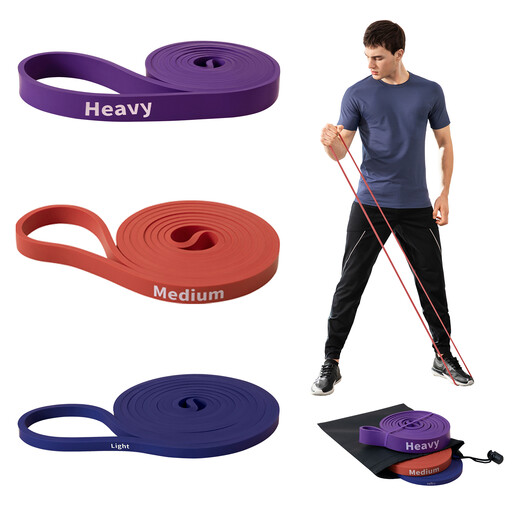
Why It Stands Out: While the fabric bands above are for lower body isolation, this set is built for full-body strength and assistance. Made from strong natural rubber latex, these long loop bands are designed for more dynamic, heavy-duty applications like assisted pull-ups, powerlifting and deep stretching.
Pros:
Who is it for? Fitness enthusiasts who want to master bodyweight exercises like pull-ups or add significant resistance to their strength training routine. It's a great complementary tool to a set of fabric glute bands.
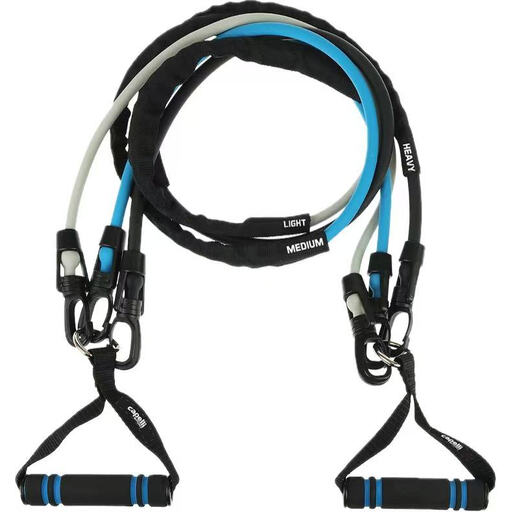
Why It Stands Out: This set offers a different approach with its tube-and-handle system. It features three interchangeable latex tubes of varying resistance that can be clipped onto comfortable foam handles. This design allows you to customise the resistance level by using one, two or all three tubes at once.
Pros:
Who is it for? Individuals who prefer the feel of traditional gym equipment and want to replicate dumbbell or cable machine exercises at home. It's particularly well-suited for focusing on arm, shoulder and chest workouts.
The right equipment can make all the difference in your fitness journey. If you haven't found the perfect match here or want to see more specialised options, you can explore our full range of equipment.
Discover more in our Stretching Resistance Bands category
For lower body exercises, many people find fabric bands superior. Their wide, non-slip design prevents them from rolling up or digging into the skin, providing a more comfortable and stable workout. Latex bands, however, can be more versatile for upper body movements and full-body stretching due to their higher stretch capacity and length. The "better" option depends on your primary workout goals.
To maintain your fabric bands, it's best to hand wash them in cool water with a small amount of mild detergent. Gently scrub any soiled areas, rinse thoroughly and then lay them flat or hang them to air dry completely. Avoid using a washing machine or tumble dryer, as the high heat and agitation can damage the elastic fibres.
Yes, you can. Muscle growth (hypertrophy) occurs when muscles are challenged beyond their current capacity, a principle known as progressive overload. With resistance bands, you can achieve this by moving to a band with higher resistance, increasing the number of repetitions or sets or slowing down the tempo of your movements to increase time under tension. They are particularly effective for toning and strengthening the glutes, hips and thighs.