
24/7 Customer Support

Free returns

Same-day & Next-day Delivery

Quality Guaranteed

Unlock Your Welcome Offers: FREE Delivery | Up to 80% OFF | Free 30-day JoyPlus trial
Download the APP
Choosing a face and body moisturiser should be straightforward, but product labels can make it difficult to compare formulas. A cream may promise long-lasting hydration yet feel greasy, contain fragrance that does not suit reactive skin, or be too light for dry elbows and hands.
The right choice depends on where you will use it, how your skin feels after cleansing and whether you need a simple daily moisturiser or a product with an additional purpose. This guide explains the practical details to check before buying, followed by our top recommendations for different household needs.
A face, body and hand cream can be convenient, especially for men, families and travel. However, a product suitable for several areas may still contain fragrance, essential oils or alcohol denat. If your face or hands are sensitive, check the full ingredient list rather than relying only on the “all over” description.
A fast-absorbing, non-greasy moisturiser can be comfortable during the day, but very dry skin may need a richer formula containing occlusive ingredients such as petrolatum, dimethicone, oils or waxes. Conversely, a rich cream may feel excessive on an oily or combination complexion.
A daily moisturiser is not automatically a sunscreen. Even if a formula contains a UV filter, check the product packaging and directions carefully. For outdoor use, apply a dedicated sunscreen according to its instructions. A portable SPF 30 sunscreen stick can be useful for exposed areas during commuting, walking or travel, but it should complement—not replace—protective clothing and sensible sun habits.
For moisturiser for dry skin, look for humectants such as glycerin, panthenol, urea or sodium lactate, which help attract and retain water. Ingredients such as petrolatum, dimethicone, shea butter and plant oils can help reduce moisture loss by forming a protective layer.
A fragrance-free moisturiser can be a sensible starting point for people who prefer fewer potential irritants. “Fragrance-free” is not the same as “suitable for everyone”, so patch testing remains sensible, particularly when trying a new product.
Look for clear usage instructions, warnings and current packaging information. Claims such as dermatologically tested, hypoallergenic or non-comedogenic describe how a product has been presented or assessed; they do not guarantee that every person will tolerate it.
A 75ml or 125ml tube or bottle may work well in a gym bag or overnight case. A 200ml product is more practical for shared household use, while a 450g tub can provide a larger supply for frequent face and body application.
For targeted routines, consider ingredients linked to your preference:
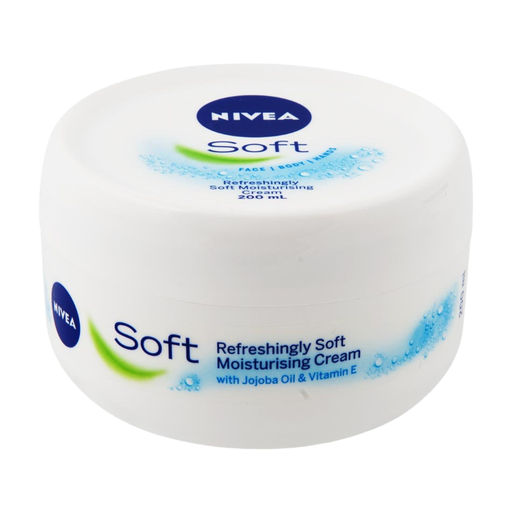
Why This Fits Their Persona: One 200ml product covers face, body and hands, making it a practical starting point for a simple household routine or shared bathroom shelf.
Its multi-purpose format avoids buying separate face, body and hand products, while the quick-absorbing texture counters the expectation that one cream must feel heavy.
Contains vitamin E and jojoba oil; designed for face, body and hands with a non-greasy finish.
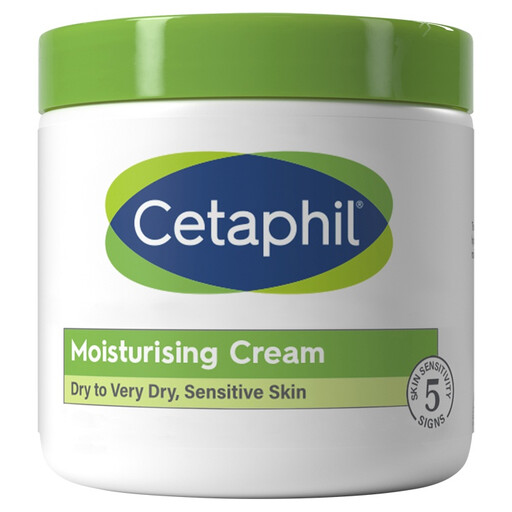
Why This Fits Their Persona: The large 450g format suits frequent users who want a substantial face and body cream for dry to very dry skin, rather than several small containers.
The fragrance-free format avoids relying on scent as a sign of quality and is easier to assess for a pared-back sensitive-skin routine.
Includes glycerin, petrolatum, panthenol, niacinamide and vitamin E; non-comedogenic product information is provided.
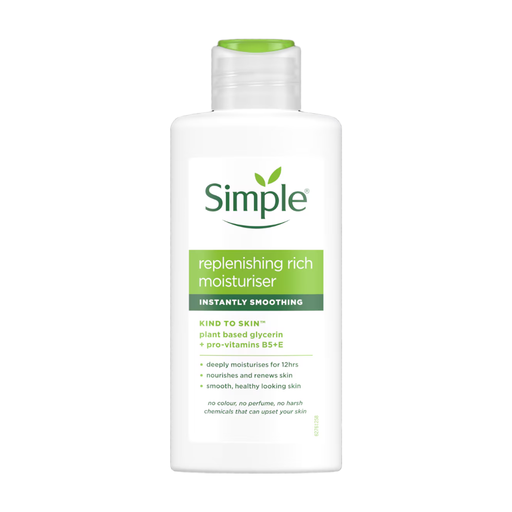
Why This Fits Their Persona: This face-focused cream suits shoppers seeking a richer daily moisturiser for dry or sensitive-feeling skin, particularly for morning and evening use after cleansing.
The product information specifies no artificial perfume, colour or alcohol, helping shoppers avoid choosing a rich cream based only on a strong fragrance.
Contains glycerin, pro-vitamin B5 and bisabolol; the listed format is non-comedogenic and 125ml in size.
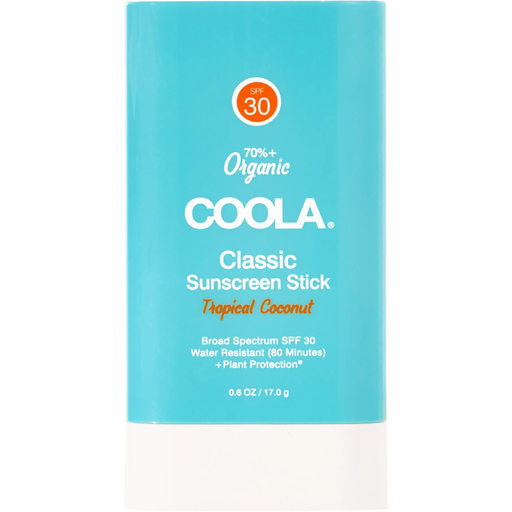
Why This Fits Their Persona: The 17g twist-up stick is easy to carry for UK day trips, commuting and outdoor activities when exposed skin needs convenient sunscreen application.
Its stick format is mess-free and portable, while the stated SPF 30 and UVA/UVB protection provide clearer information than a general moisturiser label.
Water-resistant for up to 80 minutes according to the supplied product directions; designed for face and body application.
We have compiled a complete, real-time list of products that fully satisfy these strict selection criteria and UK safety regulations.
Apply cream to clean, slightly damp skin after washing or showering. Use a smaller amount on the face and add more only where needed. For hands, reapply after washing, especially during colder or drier weather. If using a niacinamide moisturiser alongside other active skincare, introduce products gradually rather than changing everything at once.
Always check the packaging for the current ingredient list, storage guidance and warnings. Stop using a product if irritation develops and seek appropriate medical advice when necessary. For children, follow the age guidance on the product label.
Some products are specifically designed for face, body and hands, but suitability still depends on the formula and your preferences. Check for fragrance, texture and any ingredients you avoid. A richer body cream may feel too heavy on the face, while a lightweight face moisturiser may not provide enough comfort for very dry elbows or heels.
Shelf life varies by product, storage conditions and how often it is used. Keep the container closed, store it in a cool, dry place away from direct sunlight and follow the open-jar symbol or packaging guidance. Check the batch and shelf-life information printed on the product before use.
Not necessarily. Unless the product is specifically labelled with an appropriate SPF and clear application instructions, use a dedicated sunscreen. Reapply as directed, particularly after swimming, sweating or towel drying, and consider hats and protective clothing during prolonged outdoor exposure.