
24/7 Customer Support

Free returns

Same-day & Next-day Delivery

Quality Guaranteed

Unlock Your Welcome Offers: FREE Delivery | Up to 80% OFF | Free 30-day JoyPlus trial
Download the APP
Choosing between face and body moisturisers can seem straightforward until you compare textures, ingredients, fragrance, pack sizes and suitability claims. A rich body lotion may feel too heavy on the face, while a lightweight facial gel may not provide enough comfort for very dry elbows or shins.
This guide focuses on practical selection rather than marketing language, helping UK shoppers match a daily moisturiser to their skin type, routine and budget.
A product can leave skin feeling smooth immediately because of silicones, oils or occlusive ingredients. That sensation is useful, but it does not necessarily mean the formula suits your long-term routine. Look for a balance of:
A skin barrier moisturiser usually combines more than one of these functions.
Botanical ingredients can be appealing, but “natural” does not automatically mean fragrance-free or suitable for reactive skin. Likewise, “brightening cream” describes a cosmetic positioning rather than a guaranteed change in pigmentation.
Claims such as “clinically proven” should be read in context. According to a brand’s own clinical research, a product may have produced a particular result under specific conditions, but that does not guarantee the same outcome for every user. Check the full ingredient list and follow the product directions.
Fragrance can make a moisturiser more enjoyable, but parfum and listed fragrance allergens may be unsuitable for some sensitive or eczema-prone users. A fragrance-free moisturiser is generally the more cautious option when scent is a known trigger. Always patch test a new product and stop using it if irritation occurs.
Body lotions are often supplied in larger 300–400ml bottles and may contain richer occlusives for areas such as knees, hands and legs. Facial moisturisers are more likely to offer lighter gel, lotion or cream textures and ingredients designed for layering with sunscreen and make-up.
Some products are multi-use. The naturie Hatomugi Skin Conditioning Gel, for example, is described as suitable for face and body application. Even so, individual tolerance matters, particularly if your facial skin is oily, blemish-prone or reactive.
Choose according to when and where you will use the product:
For a UK daily routine, a fast-absorbing formula can be more convenient under clothing or make-up. A richer body lotion for dry skin may be preferable overnight.
If your priority is a face moisturiser for sensitive skin, review the complete ingredients panel rather than relying only on the front label. Useful features may include colloidal oatmeal, glycerin, ceramides, squalane or hyaluronic acid. However, no ingredient guarantees universal suitability.
Those seeking an eczema-prone skin moisturiser should remember that cosmetic moisturisers do not replace advice or treatment from a pharmacist, GP or dermatologist. For persistent discomfort, cracking or inflammation, seek appropriate medical guidance.
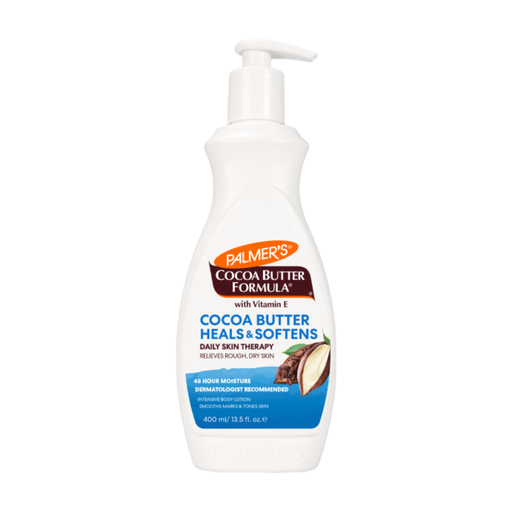
Why This Fits Their Persona: A large 400ml format is practical for regular full-body use, particularly after showers during colder UK months when skin can feel rough or tight.
Its ingredient list clearly includes glycerin, cocoa butter, petrolatum and dimethicone, so shoppers can identify its moisturising and moisture-loss-reducing components rather than relying only on front-label wording.
Cocoa butter and vitamin E are listed; the product description states up to 48-hour moisture. It does contain fragrance, so check suitability before purchase.
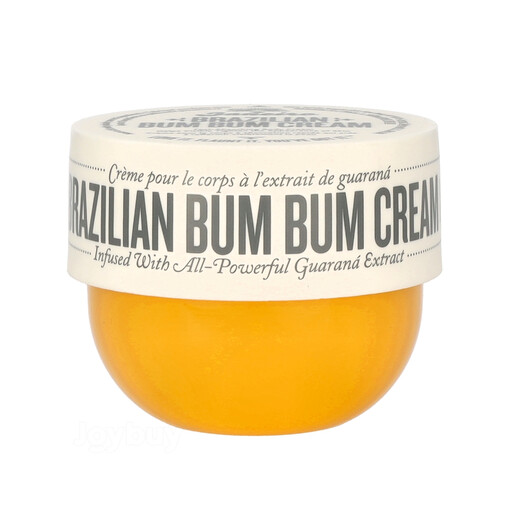
Why This Fits Their Persona: The 75ml size suits shoppers who want a premium-feeling, scented body cream for targeted areas or travel rather than economical all-over use.
The product description explains its fragrance, texture and intended application areas. This makes it easier to distinguish a sensory purchase from an unscented barrier-focused lotion.
Contains cupuaçu butter, coconut oil, Brazil nut oil and sodium hyaluronate. It has a strong fragrance profile and contains tree-nut ingredients, which some shoppers may need to avoid.
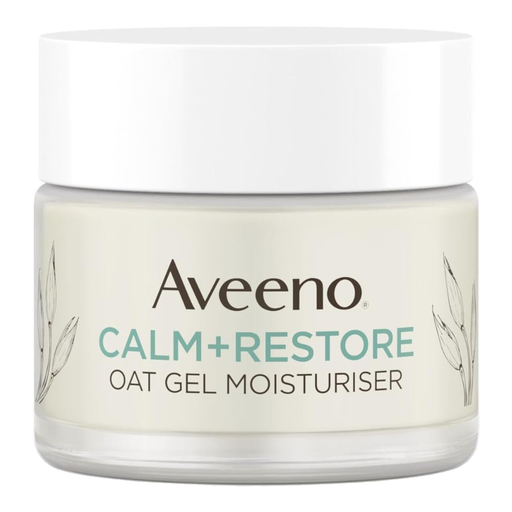
Why This Fits Their Persona: A compact facial moisturiser with a gel-cream texture is convenient for a simple morning and evening routine, especially for normal-to-dry sensitive skin.
The supplied description identifies it as fragrance-free, hypoallergenic and non-comedogenic, while the ingredient list allows shoppers to check the formula themselves.
Includes oat ingredients, glycerin and dimethicone in a lightweight gel-cream format. Use only as directed and discontinue if irritation develops.
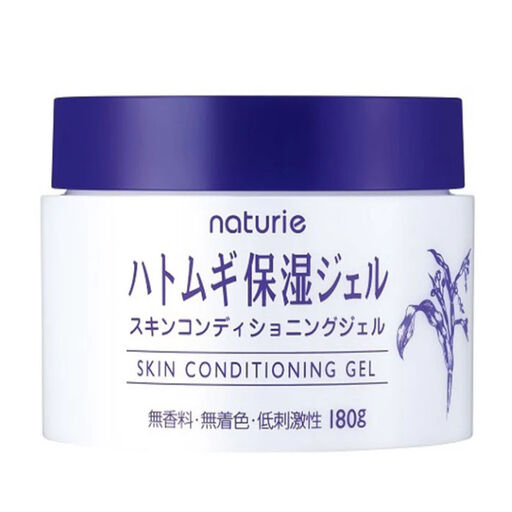
Why This Fits Their Persona: The generous 180g tub and oil-free gel format suit shoppers wanting one product for facial layering, occasional overnight use and lighter body hydration.
Its stated oil-free, fragrance-free and colourant-free positioning helps shoppers seeking a simpler-feeling formula avoid assuming that every rich cream is suitable for oily or combination skin.
Contains glycerin, dimethicone and Coix seed extract. The gel texture is designed to melt into a watery-feeling layer, though very dry skin may require a richer cream.
We have compiled a complete, real-time list of products that fully satisfy these strict selection criteria and UK safety regulations.
Apply body lotion to clean, slightly damp skin after bathing to help reduce the tight, dry feeling that can follow hot water exposure. For the face, use moisturiser after water-based serums and before daytime sunscreen. Start with a modest amount; applying more does not always improve comfort and may cause pilling under make-up.
Store products according to the packaging instructions, close lids securely and check the printed batch or shelf-life information. If a formula changes smell, colour or texture, replace it.
Look for a cream or lotion containing a combination of humectants, emollients and occlusives. Petrolatum, glycerin, dimethicone, cocoa butter and colloidal oatmeal are examples found in some formulas. Very dry, cracked or persistently irritated skin may need advice from a pharmacist or GP.
Not always. Body lotions can be richer or fragranced, which may feel uncomfortable on facial skin. A product specifically labelled for facial use is usually easier to layer with other skincare. Multi-use gels can be an option, but patch testing is still sensible.
There is no fixed lifespan because usage frequency, pack size and application area vary. A 400ml body lotion used daily over the whole body will be consumed faster than a 50ml facial cream used once or twice a day. Follow the packaging’s period-after-opening guidance and replace products when their texture, smell or appearance changes.