
24/7 Customer Support

Free returns

Same-day & Next-day Delivery

Quality Guaranteed

Unlock Your Welcome Offers: FREE Delivery | Up to 80% OFF | Free 30-day JoyPlus trial
Download the APP
Choosing between face and body moisturisers can seem straightforward until you are faced with rich balms, gel creams, brightening formulas, tinted lotions and heavily fragranced options. The wrong choice may leave skin feeling tight, greasy, irritated or no different from before.
For UK shoppers, the most useful approach is to look beyond front-of-pack promises. Check where the product is intended to be used, which ingredients suit your concern and whether the texture fits your daily routine.
Claims such as “24-hour” or “72-hour” hydration describe the brand’s intended performance under particular conditions; they do not guarantee the same result for every person. A cream containing glycerin, hyaluronic acid, shea butter or petrolatum may help reduce the feeling of dryness, but skin type, weather and application habits still matter.
In cold, windy UK weather, a lightweight lotion may not feel sufficient on very dry areas. Conversely, a heavy balm can feel uncomfortable on an oily or blemish-prone face.
A vegan moisturiser can be a useful ethical choice, but vegan status does not automatically mean fragrance-free or suitable for sensitive skin. Likewise, a brightening moisturiser may contain ingredients such as niacinamide, alpha-arbutin or vitamin C derivatives, but visible changes to uneven tone are not guaranteed and usually depend on consistent use.
Always read the complete ingredient list. Fragrance, essential oils and certain preservatives may be unsuitable for people who are prone to irritation.
Body products are often supplied in larger sizes and may contain richer emollients, fragrance or pigments. That can be practical for arms, legs and elbows, but not necessarily appropriate for facial skin. A tinted body cream, for example, is designed to even the appearance of body skin and is not a replacement for foundation or sun protection.
Start with the intended application area. Look for a facial moisturiser if you need an anti-ageing face cream, night cream, blemish-focused product or lightweight daily layer. For rough elbows, knees and dry legs, a body cream for dry skin or healing balm may offer a more comfortable level of richness.
Products made for the face often prioritise a less greasy finish, while body creams may focus on larger-area application and longer-lasting comfort.
Gel creams tend to suit shoppers who dislike a sticky finish, while richer creams can be more comfortable overnight or during winter. Consider whether the product absorbs before dressing, whether it contains fragrance and whether the quantity represents good value for the area you plan to cover.
For UK consumers, also check the packaging for the Responsible Person details, ingredient list, usage directions and warnings required under UK cosmetics rules. If a product causes persistent redness, itching or swelling, stop using it and seek appropriate medical advice.
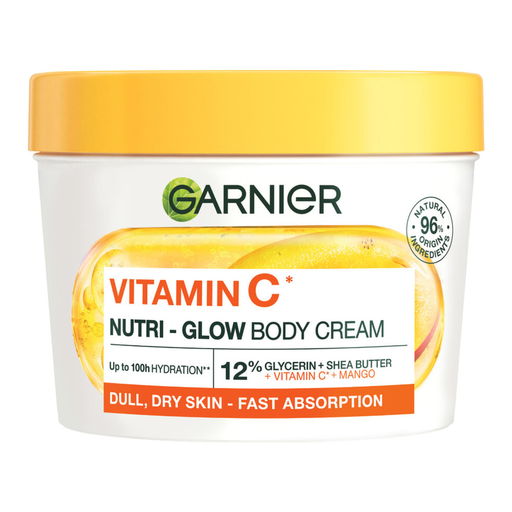
Why This Fits Their Persona: A large 380ml tub is practical for regular use on dry, dull arms and legs, especially after showering in colder months.
The label identifies it as a body cream, helping prevent unsuitable face use. Note that it contains fragrance, so sensitive users should check the ingredient list first.
Contains glycerin, shea butter and mango extract; the product information states that the formula is vegan and made with 96% natural-origin ingredients.
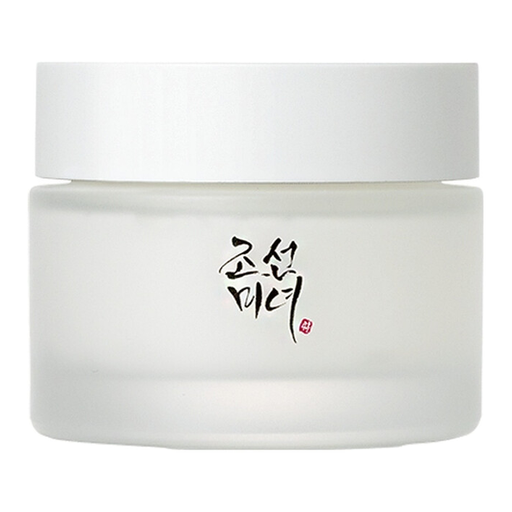
Why This Fits Their Persona: Its rich texture and dewy finish suit dry or combination skin users who enjoy a Korean skincare cream in a layered evening routine.
The product description clearly explains its dense, honey-like texture, so shoppers can avoid expecting a weightless gel finish.
Includes rice bran water, ginseng root water, niacinamide, squalane and ceramide NP; it can also be used as a sleeping mask or make-up base.
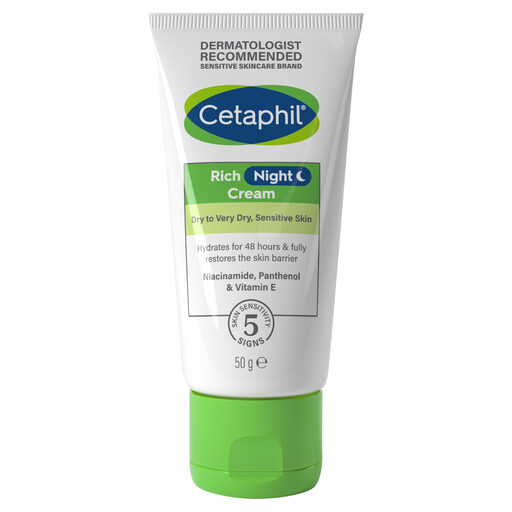
Why This Fits Their Persona: Designed for dry to very dry facial skin, it fits a simple night-time routine for people who prefer a rich, fragrance-free moisturiser.
Its listed formula is fragrance-free and the product is specifically positioned for sensitive facial skin, rather than being a general body lotion.
Contains glycerin, petrolatum, panthenol, niacinamide and vitamin E, with a 50g format suited to facial application.
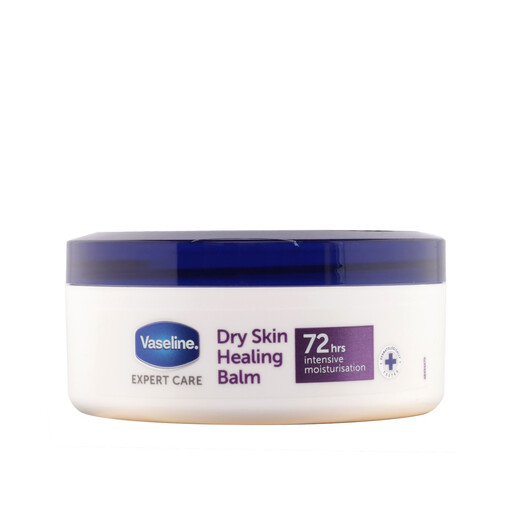
Why This Fits Their Persona: A fragrance-free body balm suits frequent use on very dry areas, including hands, elbows, knees and legs affected by winter weather.
It is clearly labelled for dry skin and body use, with a fragrance-free formula that avoids relying on scent to create a sense of nourishment.
The ingredient list includes glycerin, petrolatum, dimethicone and Pro-Lipids; the product information states up to 72 hours of moisturisation.
We have compiled a complete, real-time list of products that fully satisfy these strict selection criteria and UK safety regulations.
Apply after cleansing, bathing or showering while skin is still slightly damp. Facial products can usually be used morning and evening, while body cream may be reapplied whenever dry areas feel tight. Follow the individual product directions.
Shelf life varies by formula and packaging. Check the open-jar symbol, batch details and storage guidance on the pack. Keep creams away from excessive heat and direct sunlight, and avoid introducing water or unclean fingers into an open tub.
Check the full routine before combining products containing niacinamide, acids, retinoids or vitamin C derivatives. Introduce one new product at a time and patch test when appropriate. A daytime moisturiser does not replace sunscreen, particularly when spending time outdoors.