
24/7 全天候客户支持

免费退货

当日/次日达

品质保障

开启新人专享福利: 全场免邮 | 低至 2 折 | 免费试用 30 天 JoyPlus 会员
下载 Joybuy
Choosing skincare oil is not simply a matter of picking the most attractive bottle. A lightweight facial oil, a retinol serum and a full-body moisturising oil serve different purposes, and using the wrong one can leave skin feeling greasy, irritated or insufficiently hydrated.
This guide from the Joybuy Product Recommendation Officer explains what to check before buying, which ingredients matter and how to match a product to your routine.
A facial oil can help soften the skin and reduce moisture loss, but it does not necessarily provide the same type of hydration as ingredients such as glycerin or hyaluronic acid. Oils are often most useful after cleansing and water-based skincare, helping to seal in moisture.
For very dry skin, look for a routine that combines a hydrating serum or moisturiser with an oil for dry skin, rather than relying on oil alone.
A natural skincare oil may contain botanical oils, essential oils or fragrance allergens. These ingredients can be appealing, but sensitive users should still read the full INCI list. Nut-derived oils, fragrance components and essential oils may not suit every skin type.
“Vegan” describes the absence of animal-derived ingredients; it does not automatically mean fragrance-free or suitable for sensitive skin.
An anti-ageing face oil may focus on nourishment and a smoother-looking finish, while a retinol serum uses a different type of active ingredient. Retinol products require more careful use, including gradual introduction and daytime sun protection.
Avoid choosing a product solely because its packaging mentions firmness, youthfulness or radiance. Check the active ingredients, usage instructions and warnings first.
A heavier oil can be useful for very dry body skin, whereas a lighter oil-serum may feel more comfortable under moisturiser or make-up.
Review the ingredient list rather than relying on front-of-pack descriptions. Common ingredients include:
Look for fragrance allergens such as limonene, linalool or geraniol if you are sensitive to perfumed skincare. Those with nut, wheat or coconut allergies should check the label carefully.
Oil products are concentrated, so a few drops may be sufficient for the face. Pump or dropper packaging can make controlled application easier, while larger bottles are more practical for body care.
Store oils away from direct sunlight and heat, and check the packaging for the period-after-opening symbol, batch details and updated ingredient information. Product formulas can change, so the packaging supplied with your order should take priority.
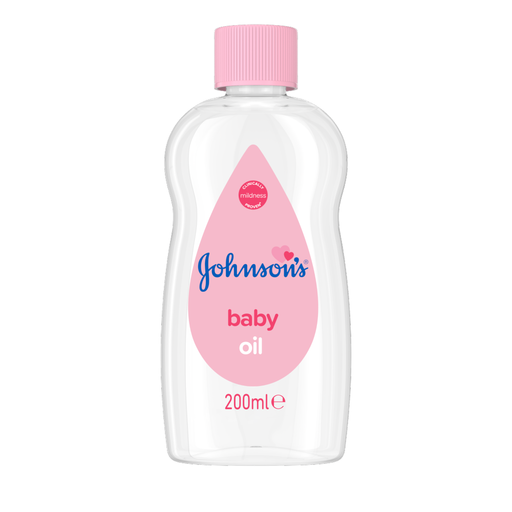
Why This Fits Their Persona: A straightforward option for shoppers wanting one oil for post-bath care, baby massage or occasional dry-skin use. It is applied to damp skin and comes in a practical 200ml format.
Its directions clearly specify external use and application on damp skin, helping prevent over-application. Parents should still read the warnings and supervise use.
Hypoallergenic and pH-balanced formula as described on the product listing; free from parabens, phthalates and dyes according to the supplied product information.
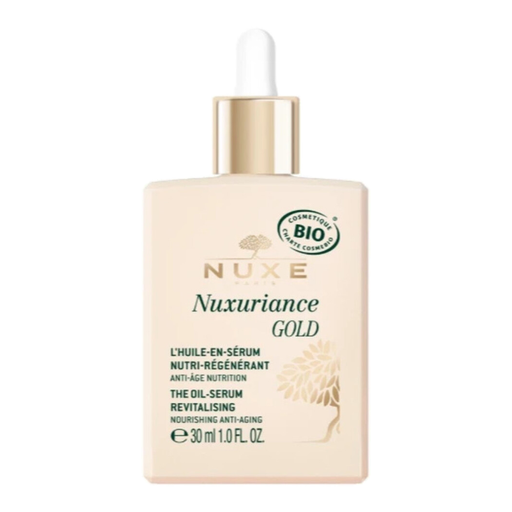
Why This Fits Their Persona: Suits shoppers seeking a refined vegan face oil with botanical oils and a dedicated facial application routine for dry skin and radiance.
The listing identifies the oil blend, vegan status and natural-origin content, so shoppers can compare specifics instead of relying only on luxury positioning.
Contains jojoba, sesame, macadamia and avocado oils; the formula is described as vegan and made with 100% ingredients of natural origin.
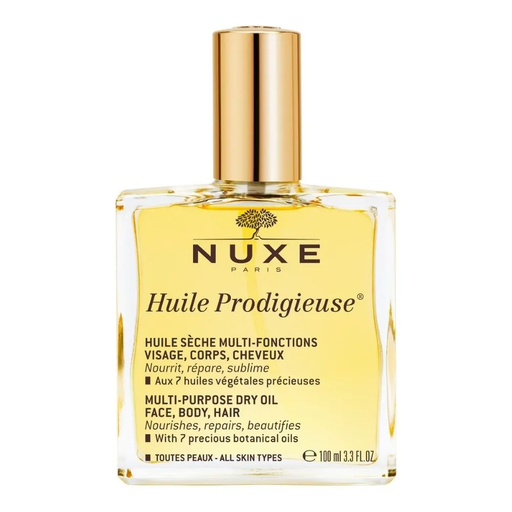
Why This Fits Their Persona: A practical choice for users who want one product for face, body and hair, particularly during dry indoor heating or colder UK weather.
The product specifies separate face, body and hair uses, while its dry-oil format is intended to reduce a sticky after-feel. Check the fragrance and nut-derived ingredients before use.
100ml size with seven botanical-origin oils; the listing also identifies a vegan formula containing 98% natural-origin ingredients.
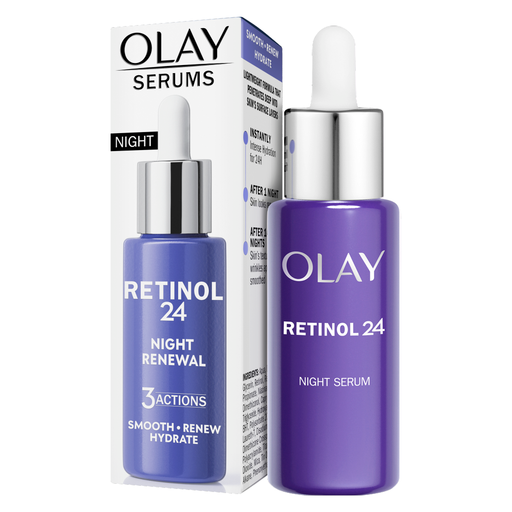
Why This Fits Their Persona: Designed for shoppers who want a fragrance-free night serum with retinoid ingredients and a defined evening skincare step.
It identifies retinol and retinyl propionate in the ingredients and includes sun-exposure guidance, making the product’s active focus clear.
Fragrance-free and dye-free according to the listing; also contains niacinamide and glycerin. Follow the label and use daytime SPF.
For a facial oil, cleanse first, apply any water-based serum, then use one to three drops of oil before or after moisturiser depending on how your skin feels. Avoid the immediate eye area and do not apply to broken or irritated skin.
Use a dry body oil after bathing, while skin is slightly damp. This can make spreading easier and may reduce the amount needed. For baby massage, use only a product labelled for the intended age range and follow the supplied safety directions.
If using a retinol serum or an AHA-containing face serum, introduce it gradually and use sunscreen during the day. Do not combine several potentially irritating actives at once without checking their instructions.
We have compiled a complete, real-time list of products that fully satisfy these strict selection criteria and UK safety regulations.
They can be useful for softening skin and reducing moisture loss, particularly when applied over damp skin or moisturiser. However, very dry skin may need a separate hydrating product containing ingredients such as glycerin or hyaluronic acid.
A 30ml facial oil often lasts longer than expected because only a few drops are needed per application. Frequency, dispensing method and whether it is used on the neck or décolleté will affect how quickly it is finished. Check the period-after-opening guidance and storage instructions.
Baby oil is generally formulated for external skin use, but it may contain mineral oil and fragrance rather than facial skincare actives. It is not automatically suitable for every face, especially if you are sensitive to fragrance or prone to congestion. Check the label and patch test before wider use.