
24/7 全天候客户支持

免费退货

当日/次日达

品质保障

开启新人专享福利: 全场免邮 | 低至 2 折 | 免费试用 30 天 JoyPlus 会员
下载 Joybuy
Choosing between face and body scrubs can seem straightforward until you compare particle size, ingredients, fragrance and recommended frequency. A product described as “deep cleansing” may feel too abrasive for dry or sensitive skin, while a very rich formula may not suit an oily complexion.
This guide explains what to check before buying, how to match an exfoliating scrub to your routine and which options may suit different UK skincare needs.
A rough texture or intense “scrubbing” sensation does not necessarily mean a product is removing more dead skin cells effectively. Large or sharp particles, excessive pressure and frequent use can leave skin feeling tight or uncomfortable. Facial skin generally needs a finer, more controlled exfoliator than the body.
A gentle face scrub or peeling gel should be applied with light circular movements rather than vigorous rubbing. Avoid exfoliating damaged skin, active breakouts or areas that are already irritated.
A pleasant scent can make a body scrub enjoyable, but fragrance components may not suit every user, particularly those who are sensitive to fragranced skincare. Likewise, oils and butters can help a moisturising body scrub feel comfortable after rinsing, but may feel heavy on an oily face.
Always check the full ingredient list, especially if you are looking for a fragrance-free, essential-oil-free or non-drying formula.
Some products are designed for regular or daily use, but that does not mean daily exfoliation is appropriate for everyone. Your existing routine may already include acids, retinoids or other potentially irritating products. Combining several exfoliating steps can make skin feel dry or reactive.
Start once or twice weekly unless the packaging gives different instructions, then adjust according to how your skin feels.
Most face and body scrubs use one of three approaches:
For a sensitive skin exfoliator, look for a creamy or gel texture and use minimal pressure. A blackhead scrub may focus on excess oil and pore residue, but it should not be treated as a substitute for professional advice or a treatment for persistent blemishes.
Dry skin often benefits from a formula containing glycerin, oils or shea butter to reduce the tight feeling that can follow rinsing. Oily or combination skin may prefer a lighter facial exfoliator that removes excess oil without leaving a heavy film.
If you have reactive skin, compare fragrance, essential oils, alcohol and exfoliating acids on the ingredient list. “Natural” does not automatically mean suitable for sensitive skin. Patch testing is a sensible precaution, particularly when trying a new peeling gel or a product with several active ingredients.
A body scrub is not automatically suitable for facial use. Body formulas may contain larger particles, richer oils or stronger fragrance. Conversely, a small facial tube may offer poor value if used over larger areas such as arms, legs or elbows.
Check the size, application area and suggested frequency. For UK bathrooms, a secure, easy-to-close container is also useful because repeated exposure to shower water can affect texture and hygiene.
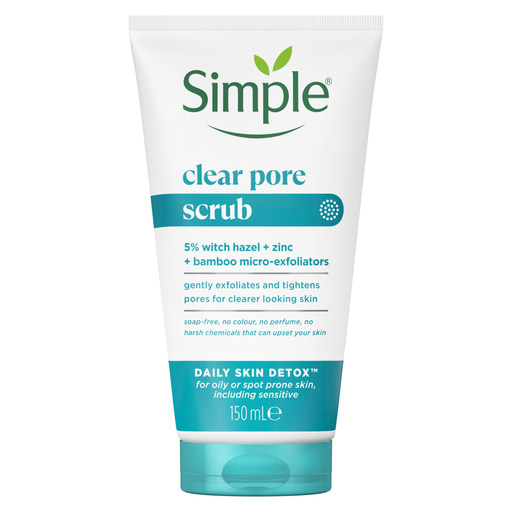
Why This Fits Their Persona: A practical starting point for shoppers wanting a pore-cleansing scrub with a familiar, uncomplicated routine. It is used on wet skin up to 2–3 times weekly.
The instructions set a clear upper frequency rather than implying that daily scrubbing is necessary.
Contains bamboo micro-exfoliators, witch hazel, zinc PCA and niacinamide; the formula is listed as free from perfume and artificial colour.
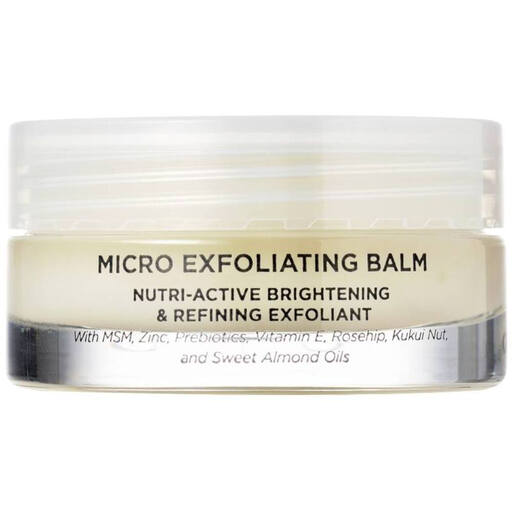
Why This Fits Their Persona: Suits shoppers who prioritise a balm texture and a more conditioning facial exfoliation step, particularly during colder, drier UK weather.
Its cream-to-milk texture and oil-based ingredients offer an alternative to rinsing with a visibly tight or stripped feeling.
Uses MSM granules with sweet almond oil, shea butter, omegas and prebiotic ingredients; directions suggest use 2–3 times weekly.
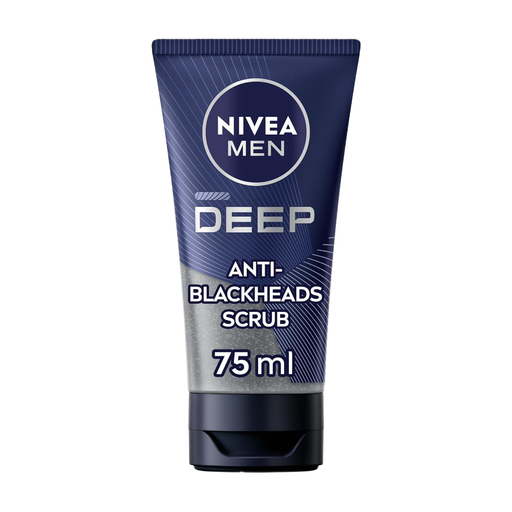
Why This Fits Their Persona: Designed for shoppers focused on facial oil, surface impurities and the appearance of blackheads rather than general glow alone.
It is clearly labelled for facial use, helping avoid the common mistake of applying a coarse body scrub to the face.
Includes black carbon, cellulose exfoliators and glycerin; the product directions specifically advise avoiding the eye area.
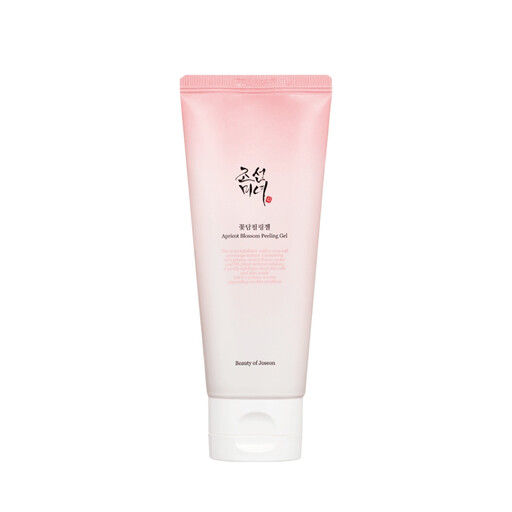
Why This Fits Their Persona: A weekly option for shoppers who prefer a soft gommage-style facial exfoliator without added essential oils or artificial fragrance.
Its weekly 1–2-use guidance discourages over-exfoliation, while the gel format avoids the need for hard rubbing.
Contains plant-derived cellulose and plum flower water; the listed formula excludes essential oils and artificial fragrance.
We have compiled a complete, real-time list of products that fully satisfy these strict selection criteria and UK safety regulations.
For a body-focused routine, sugar-based formulas such as Nuxe Reve de Miel Body Scrub or Sol De Janeiro Bum Bum Body Scrub may appeal to shoppers who want a richer, scented experience. However, both are intended for body use, so they should not be applied to the face.
Many shoppers can begin with once or twice weekly, but the correct frequency depends on the formula and your skin’s response. Follow the packaging instructions and reduce use if skin becomes dry or uncomfortable. Products labelled for daily use should still be introduced gradually.
A body scrub can smooth rough surface skin, but blackheads are a facial pore concern and require a product labelled for facial use. Choose a targeted blackhead scrub carefully and avoid aggressive rubbing, which may worsen irritation.
Cosmetic products have a shelf-life and storage guidance that can vary by formula. Check the packaging for the batch information, period-after-opening symbol and recommended storage conditions. Keep scrubs closed and away from excessive heat, sunlight and standing water to help preserve their texture.