
24/7 Customer Support

Free returns

Same-day & Next-day Delivery

Quality Guaranteed

Unlock Your Welcome Offers: FREE Delivery | Up to 80% OFF | Free 30-day JoyPlus trial
Download the APP
Finding a suitable face cleanser can be harder than it looks. Shelves and online listings are filled with claims about pore-cleansing, glow, hydration and blemish control, but the right choice depends on your skin, routine and tolerance—not the most dramatic label.
As the Joybuy Product Recommendation Officer, I filter product information into practical buying points. Here are the details worth checking before choosing a facial cleanser or daily face wash.
A cleanser that leaves skin feeling extremely tight may have removed surface oils too aggressively. This can be uncomfortable for dry or sensitive skin, particularly during colder UK weather or in centrally heated rooms. A clean finish should not automatically mean a stripped finish.
Look for a formula suited to your skin type and consider glycerin, panthenol, hyaluronic acid, oat or other moisturising ingredients if your face often feels dry after washing.
Botanical extracts are not automatically suitable for every complexion, while exfoliating ingredients such as AHA, BHA and PHA can be useful but may increase the chance of stinging or over-exfoliation. Fragrance and essential oils may also be unwelcome for reactive skin.
Read the full ingredient list, especially if you are looking for a cleanser for sensitive skin, an acne face wash or an exfoliating face wash.
A water-based gel or foam cleanser is generally designed for everyday dirt, sweat and excess sebum. It may not remove long-wear foundation or water-resistant sunscreen as efficiently as a cleansing oil or balm.
If you regularly wear make-up or high-protection sunscreen, a two-step routine may be more suitable: first use a make-up remover, cleansing oil or balm, then follow with a facial cleanser.
A low-pH cleanser is typically mildly acidic and is intended to feel less harsh than strongly alkaline soap-based products. Product descriptions may state a pH figure, such as 5.5, but pH alone does not determine whether a product will suit you.
Also check the cleansing agents. Amino-acid and glucoside-based surfactants are often selected for gentler formulas, while richer foaming systems may appeal to oily skin but feel drying for some users. If you have sensitive skin, fragrance-free options can simplify ingredient checking.
Ingredients such as salicylic acid, willow bark and fruit acids may be included in formulas aimed at excess oil, uneven texture or congested pores. However, a cleanser is rinsed off, so it should not be judged like a leave-on treatment.
For daily use, select a formula that matches your tolerance. If you already use leave-on acids, retinoids or other potentially irritating products, using an exfoliating face wash morning and night may be unnecessary. Follow the packaging directions and reduce use if redness, burning or persistent irritation occurs.
Gel, foam and cream cleansers are normally applied to damp skin. Cleansing oils and balms usually work on dry hands and a dry face, then need to be emulsified with lukewarm water before rinsing.
Check the bottle size and pump or tube design as well. A 200ml cleanser may offer practical value for frequent use, while a 100ml product can be more convenient for travel or for trying a new formula before committing to a larger size.
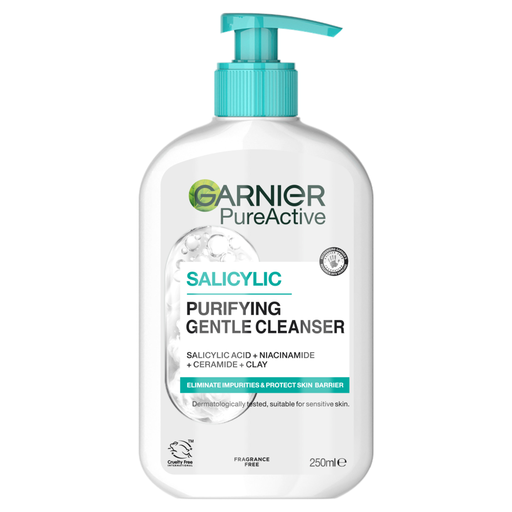
Why This Fits Their Persona: The 250ml size suits shoppers seeking a straightforward daily face wash for morning and evening use without choosing a specialist format.
The listing identifies a pH-balanced, soap-free and alcohol-free formula rather than relying only on broad “deep cleansing” language.
Contains glycerin and rose flower extract; the creamy formula is described as suitable for sensitive skin.
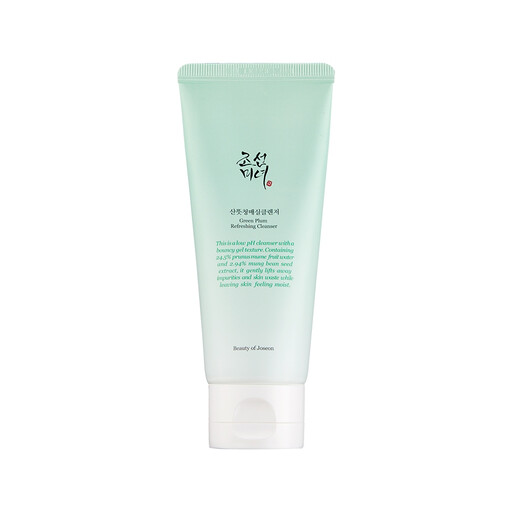
Why This Fits Their Persona: A suitable Korean skincare cleanser choice for shoppers who prioritise a low-pH gel texture and a compact 100ml format.
Its listing states that the slightly acidic formula is designed to cleanse without a stripped or tight finish; users should still check the complete ingredient list for personal sensitivities.
Includes 24% green plum water and 3% mung bean extract; the gel creates a light lather on damp skin.
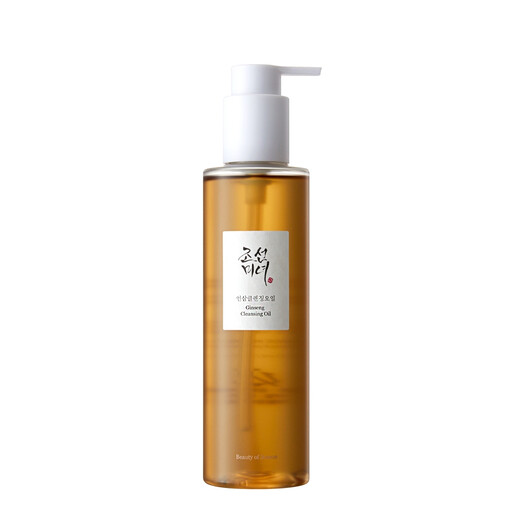
Why This Fits Their Persona: A practical first cleanse for people who wear make-up, water-resistant sunscreen or need to remove heavier daily build-up.
It is used on dry skin and emulsified with water, helping separate make-up removal from the second water-based cleansing step.
Contains 50% soybean oil and 0.1% ginseng seed oil; the 210ml formula is described as lightweight and free from artificial fragrance and essential oils.
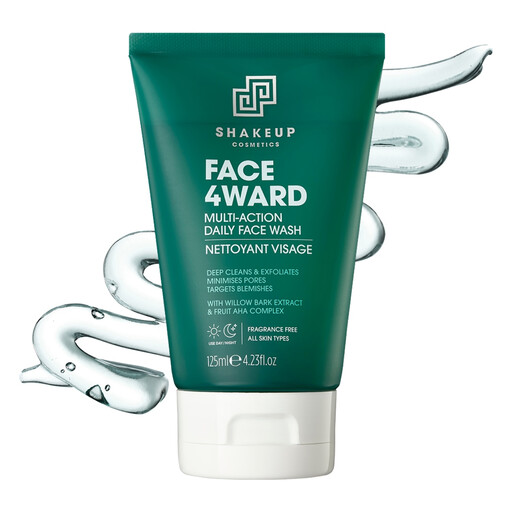
Why This Fits Their Persona: The fragrance-free daily face wash is positioned for men’s naturally oilier skin and can be used in the morning and evening.
The product details specify a fragrance-free formula and describe hydration support, rather than focusing only on an intense pore-cleansing effect.
Includes willow bark extract, fruit AHA complex and Aquaxyl; the gel formula is intended to cleanse and gently exfoliate.
We have compiled a complete, real-time list of products that fully satisfy these strict selection criteria and UK safety regulations.
Many products are designed for twice-daily use, but your routine should reflect your skin and lifestyle. If your skin is dry or sensitive, cleansing once in the evening may be sufficient for removing sunscreen, make-up and daily impurities, while a water rinse may work in the morning.
It can be, particularly as a first cleanse for make-up or sunscreen. Apply it to dry skin, emulsify thoroughly and rinse well. Follow with a water-based cleanser if the product instructions recommend a second cleanse. Always check the ingredients and discontinue use if irritation or congestion develops.
Lifespan depends on the amount used, frequency and packaging size. A coin-sized or one-pump amount is often enough, so using more does not necessarily improve cleansing. Check the product packaging for its shelf life, batch information and any period-after-opening guidance.